
First Sea Lord’s remarks on Russia spark alarm in Britain
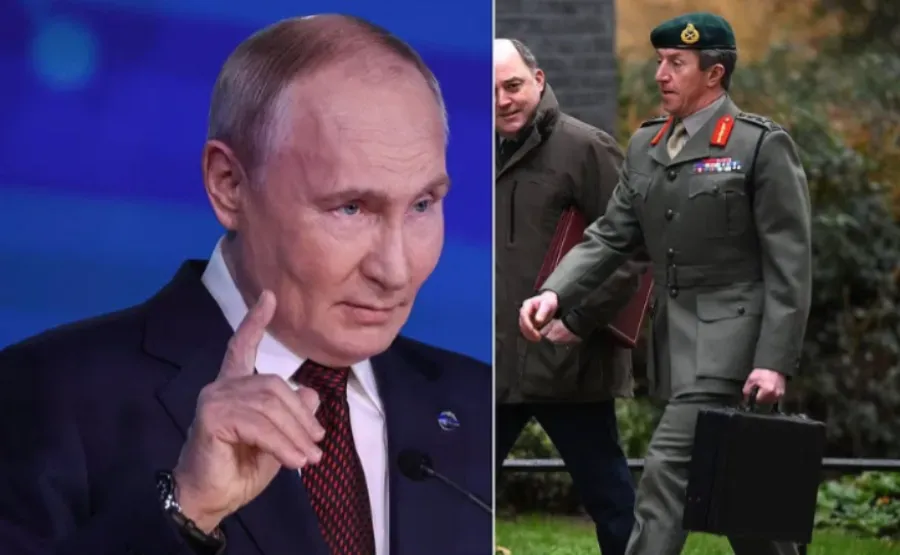
Britain’s First Sea Lord, General Sir Gwyn Jenkins, has described Russia as currently the greatest threat to the country’s security.
What factors lie behind Jenkins’ statement and his characterization of Russia as the main threat to Britain? What could this approach mean for Britain’s policy toward Russia and NATO security in the Atlantic?
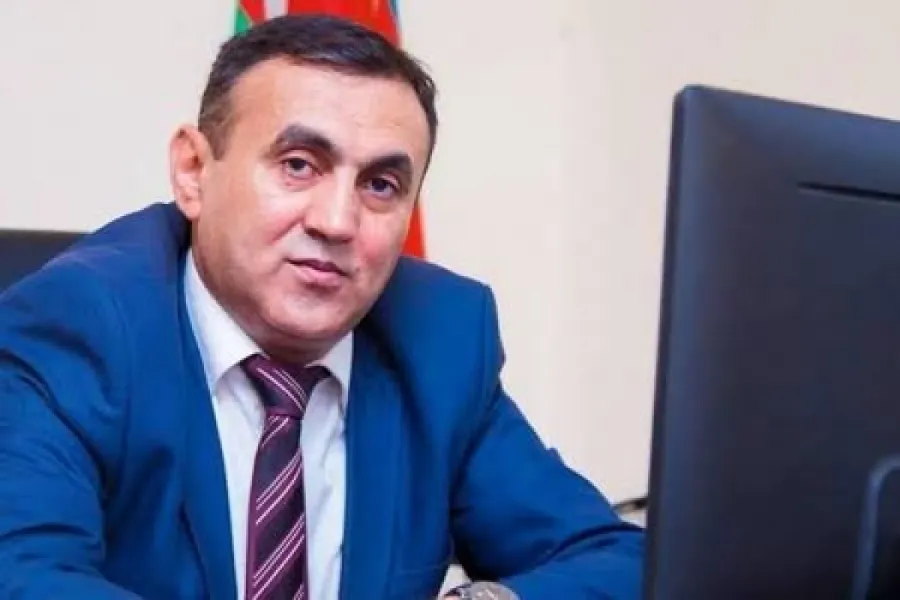
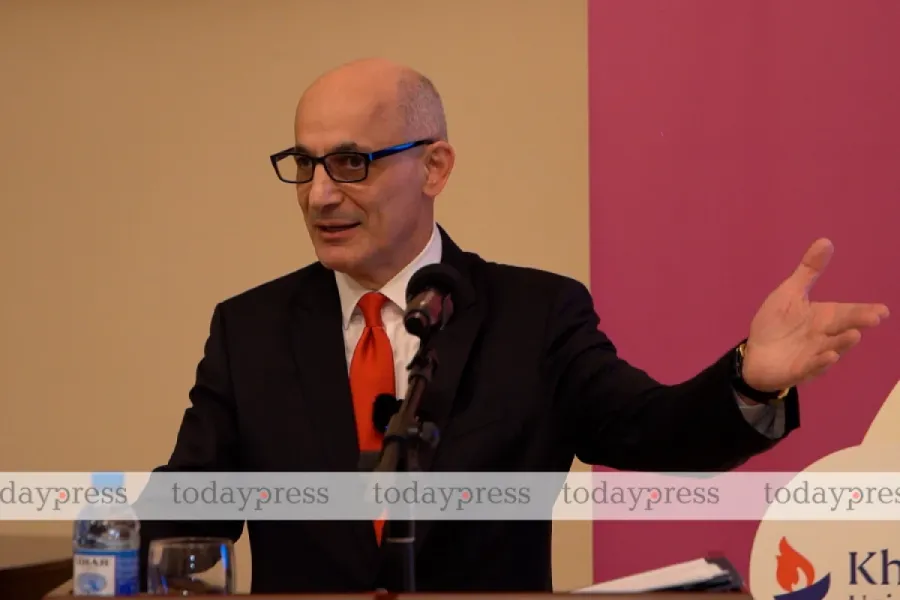
Political analyst Shakir Agayev spoke to TodayPress TV about the issue.
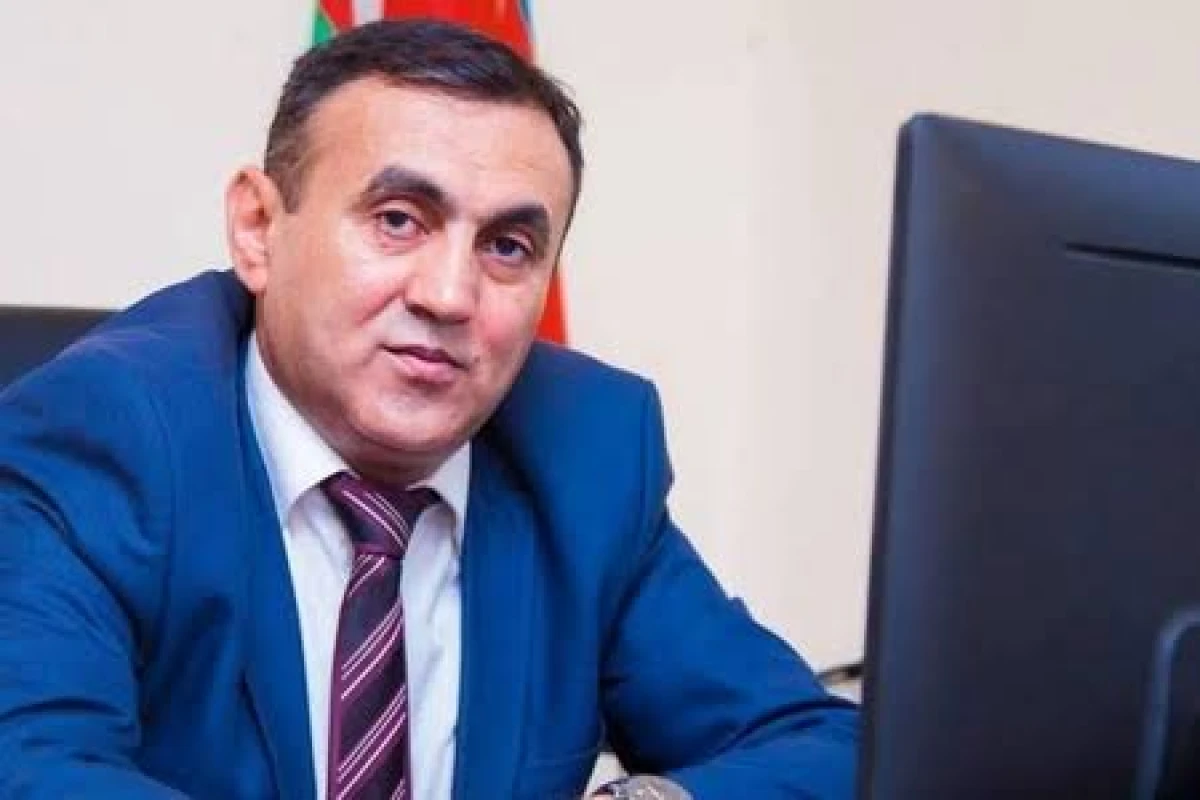
The analyst noted that First Sea Lord General Sir Gwyn Jenkins’ description of Russia as the greatest threat to Britain and its security is, first and foremost, part of information warfare:
“It is no secret that historically, Britain and Russia have been engaged in a struggle over geopolitical and geoeconomic interests. Today, amid the formation of a new world order, Britain also sees Russia as one of its main rivals. In the current Russia-Ukraine war, the United Kingdom is one of the countries providing Ukraine with substantial ideological, material and military support. Therefore, by portraying Russia as the main threat, Britain is seeking to justify its policy.”
The expert said that British analysts themselves also acknowledge the strength of the Russian Navy, particularly its submarine fleet:
“It is also acknowledged that the British Navy has weakened at present. From this perspective, it is no coincidence that the First Sea Lord has specifically highlighted this threat.”
He stressed that Russian officials have stated that Moscow currently has no intention of attacking Europe:
“Putin, Lavrov and other senior officials have emphasized this in various statements. Moscow also specifically highlights Britain’s role in prolonging the Russia-Ukraine war.”
Agayev pointed out that although Britain has had several prime ministers over the past five years, its policy of supporting Ukraine has not changed, with each new prime minister demonstrating support for Kyiv:
“This policy further deepens the confrontation between Moscow and London. Various claims have also been made about Boris Johnson’s alleged intervention in the Istanbul negotiations in 2022. From this perspective, presenting Russia as the main threat to Britain can be viewed as an approach used to justify London’s position both in the information and political spheres. I repeat, under the current circumstances, I do not believe that Russia intends to declare war on Europe. However, if European countries, particularly Britain, deploy military forces in Ukraine, this could change the situation and increase the risk of direct confrontation.”
The commentator concluded by recalling that Lavrov had also stressed in recent days that such a step could have serious consequences for Europe.
He noted that if escalation intensifies, serious risks could emerge for both Britain and other European countries.
Jala Rovshan
PHOTOS