
12 percent of the world — Houthis became a global power in three days
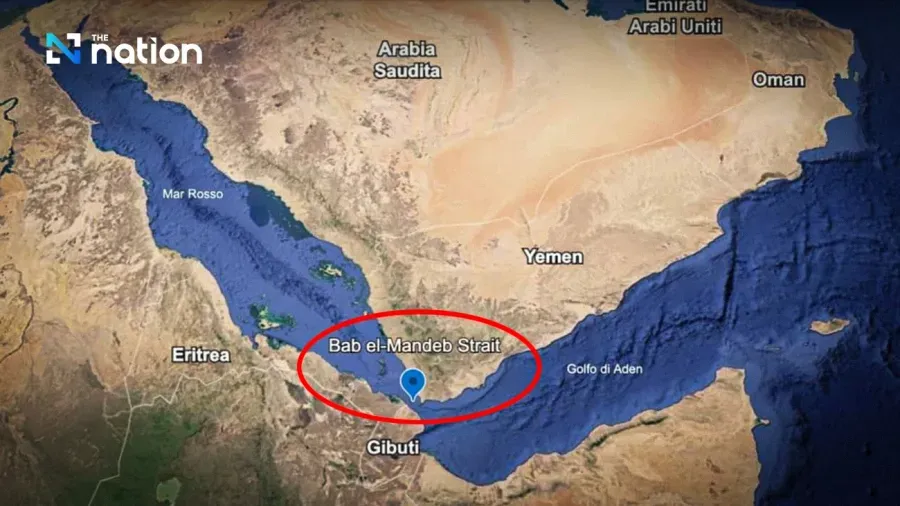
The Bab el-Mandeb Strait is a critical waterway through which approximately 12 percent of global trade passes.
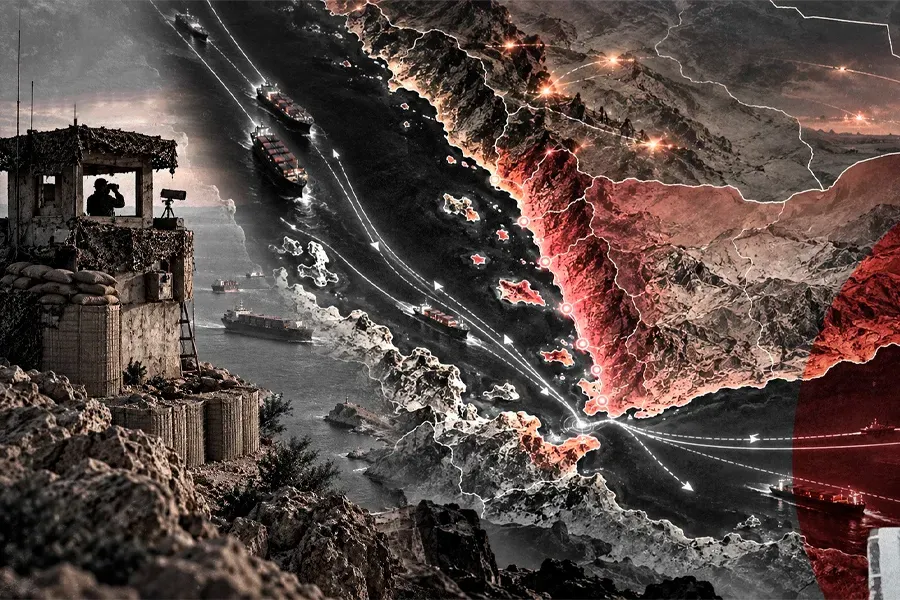
Control of the strait is no longer merely a geographic advantage; it has also become a strategic factor directly affecting the economic security of major powers. According to recent information, the Houthis control the port of Mokha and the Hanish Islands. Mokha is an important port on Yemen’s Red Sea coast, while the Hanish Islands are located near the strait between Yemen and the Horn of Africa.
Together, these two positions give Iran-backed forces a significant advantage over vessels traveling north toward the Suez Canal.
For Saudi Arabia, this situation is not simply a distant threat. The closure or systematic targeting of the strait would directly put energy and container shipping at risk.
At the same time, attacks targeting Aramco facilities and air bases inside the Kingdom could weaken export infrastructure at its source. Responding solely with airstrikes, however, produces limited results: while this approach can be effective in destroying launch platforms, it is not sufficient to drive fighters out of cities, ports and islands.
This gap is precisely at the heart of the problem.
Analysts say that moving away does not mean simply distancing the risks from Yemen; on the contrary, the territories captured by the Houthis further strengthen Iran’s influence over the waterway on which major economies depend. If this situation turns into a permanent “tax” on shipping, both Washington and Beijing will be on the losing side.
The question is therefore clear: Can Saudi Arabia coexist with a coastline under hostile control at Bab el-Mandeb in the long term, or would a policy of “containment” gradually mean losing its influence over the strait?
Jala Rovshan