
Armenians’ “secret power”: Matenadaran — “They give historical falsification a legal veneer”
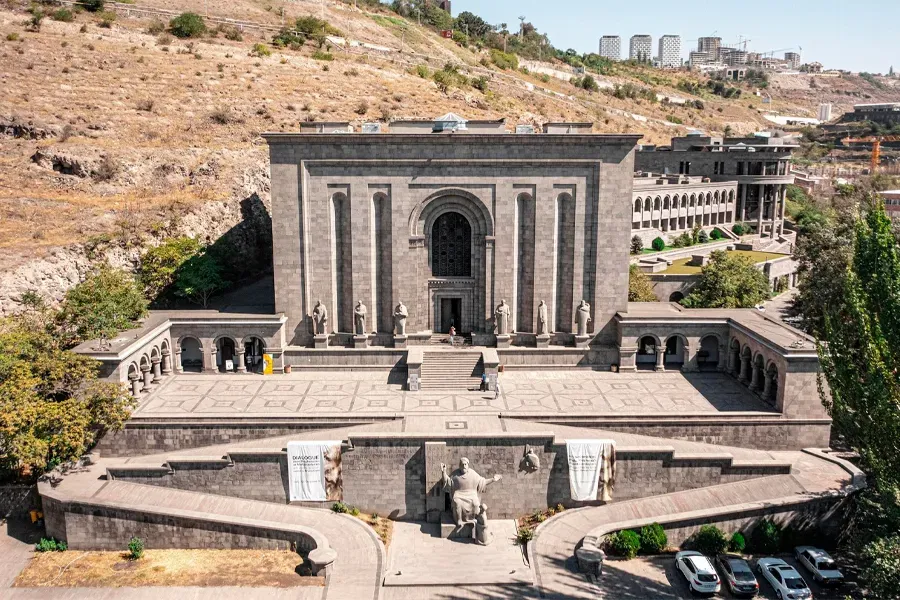
One of the centers to which Armenians attach importance and regard as a source of strength is the Matenadaran. The institution has come into the spotlight on various occasions over the years.
It is not merely an archive where ancient manuscripts are preserved. Armenians also attach strategic symbolic significance to it in historiography and culture.
Why do they attach so much importance to the Matenadaran?
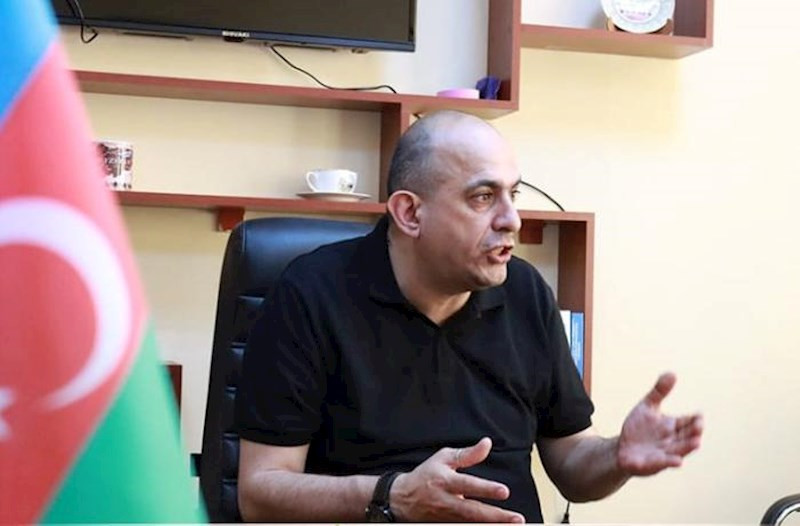
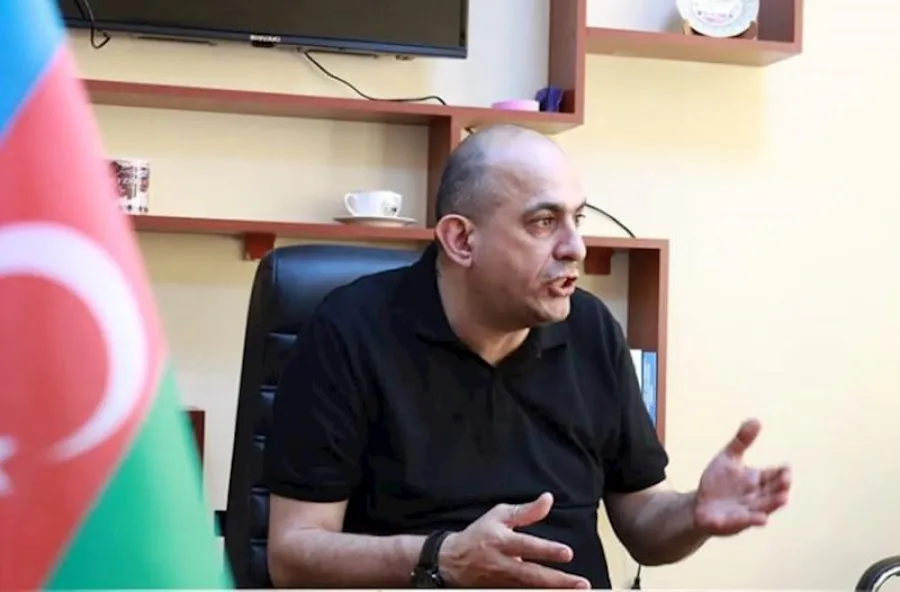
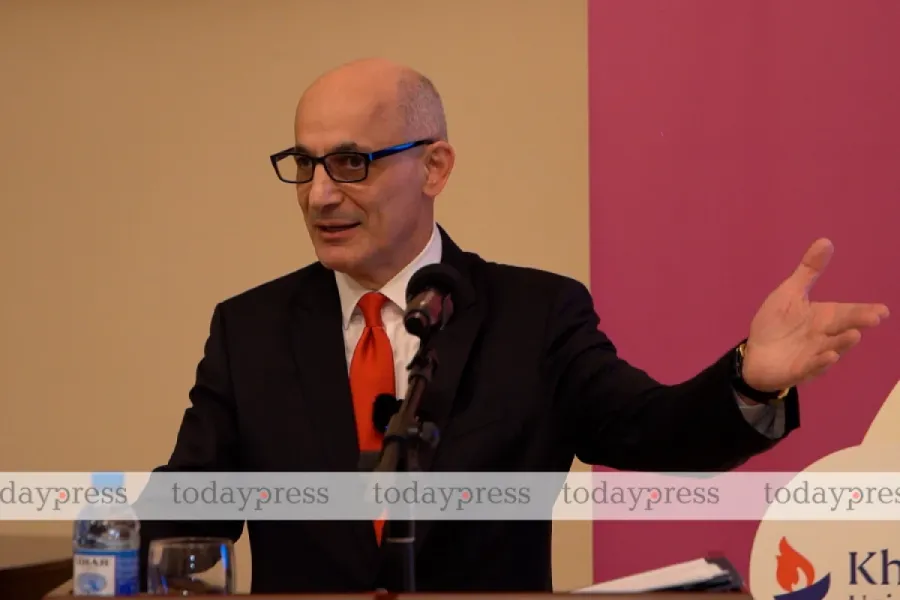
Speaking to TodayPress TV, historian Zaur Aliyev said that in Armenia, the Matenadaran, officially known as the Mesrop Mashtots Institute of Ancient Manuscripts, is a place where, according to him, objects, manuscripts, documents and other items of tangible and intangible historical heritage that Armenians have allegedly taken over the years are concealed:
“This is one of the most controversial and disputed cultural and academic institutions in the South Caucasus. The two peoples who have shared the same historical geography — Armenians and Azerbaijanis — view this center and its collection from completely different, even opposing perspectives.
As a people who migrated to the Caucasus and, until the 20th century, did not have independent statehood, Armenians believe that they preserved their language, alphabet and culture through these manuscripts. Through this institution, they present themselves to the international community as an important part of ancient civilizations, including the Byzantine, Roman and Eastern worlds.
This status also serves as a powerful cultural and political instrument for Armenian diplomacy and the diaspora in substantiating their claims to historical antiquity in the South Caucasus.
We know well that for centuries Armenians were an ethnic group without an independent state in the South Caucasus and lived in a dispersed manner. By building the Matenadaran in Yerevan and filling it with ancient books, they want to prove to the world and, most importantly, to themselves: ‘Look, we have an ancient history and culture.’
In other words, for them, this place is not simply a library, but their largest ideological refuge for establishing themselves as an ancient people.
The fact that Armenian presidents place their hands on a seventh-century Gospel brought from the Matenadaran during their inauguration ceremonies is a theatrical scenario that is very familiar to us Azerbaijanis. They seek to demonstrate that the Republic of Armenia, which they established on the territory of the Erivan Khanate — that is, our historical lands — supposedly has an ‘ancient’ connection to these territories.
They conceal historical falsification behind a book they consider religious and sacred, thereby giving their narrative a legal veneer.”
According to the historian, this is the biggest PR and propaganda tool they use to substantiate their presence in the South Caucasus, claim ownership of Albanian and Turkic-Islamic heritage, and create an image of a ‘persecuted but ancient people’ on the global stage.
Giymat Mahir
PHOTOS