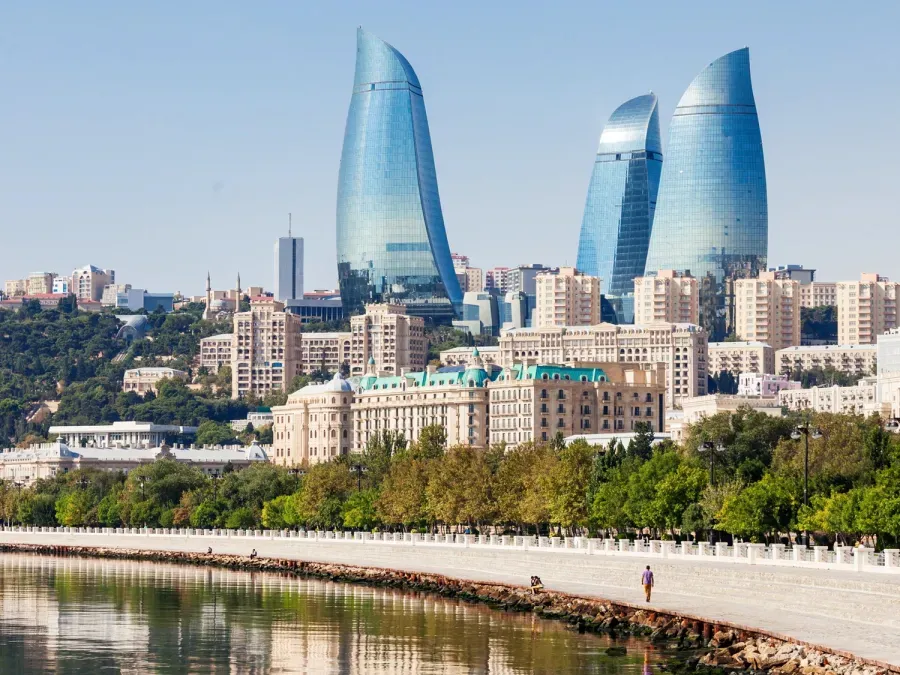
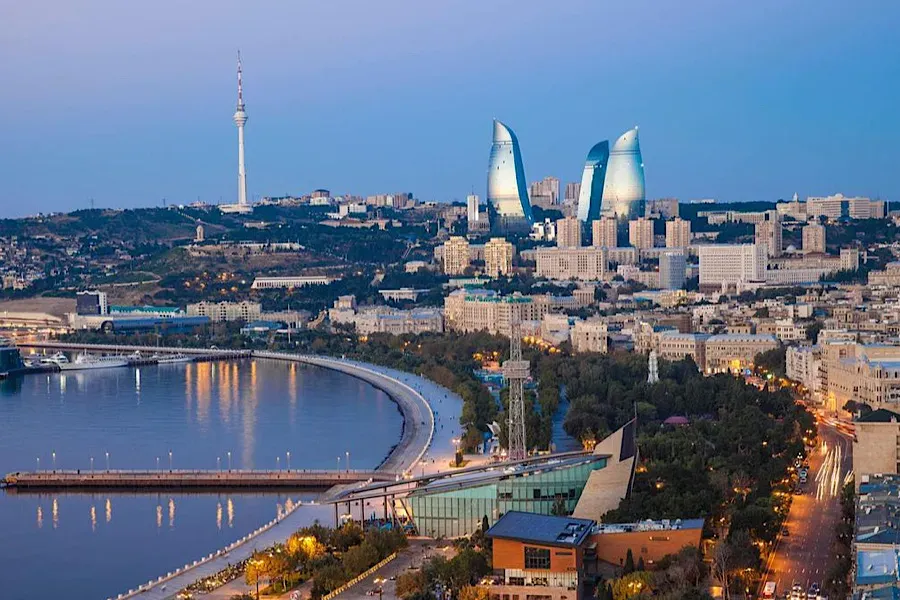
Baku – A city of beauty and a land of strong winds
In recent days, some Turkish media outlets have been circulating misleading and manipulative reports about Azerbaijan-Türkiye relations, Baku’s regional policy and the strategic cooperation between the two countries. These reports appear to seek to undermine Azerbaijan’s independent political will, military and strategic strength, and growing role in regional affairs, while portraying relations between Baku and Ankara in a distorted light. The reality, however, is very different from the claims being circulated.
Azerbaijan is not merely a close ally of Türkiye. It is an independent state that makes its own political, economic, military and geopolitical decisions and has the capacity to influence the course of regional developments. From the victory in the 44-day Patriotic War to energy security, military cooperation and regional transport projects, Azerbaijan’s real weight in this partnership is evident across all these areas. Claims circulated in the Turkish media should therefore be assessed on the basis of facts and existing geopolitical realities, rather than emotional reactions.
From the perspective of modern military science, the historic victory achieved in the 2020 Patriotic War was the result not only of weapons systems procured from abroad, but also of the national army model Azerbaijan had developed over many years. The Azerbaijani Armed Forces succeeded in integrating military technologies from different countries, the experience of various military schools and modern combat methods into a unified command system.
The use in combat operations of high-precision technologies and air defence systems acquired from Israel, alongside Turkish-made strike drones, demonstrated Azerbaijan’s military capabilities. The effectiveness of Bayraktar TB2 systems should also be assessed in the context of the operational environment created by the Azerbaijani Army, the activities of special forces and the command’s flexible tactics.
Azerbaijan did not act merely as a country purchasing military equipment. The military experience gained and the technological capabilities demonstrated on the battlefield had a significant impact on modern concepts of warfare. Explaining Azerbaijan’s military achievements solely through the influence of another country means overlooking the country’s own military potential and command experience.
The scale of economic relations between Azerbaijan and Türkiye demonstrates how important a partner Baku is for its brotherly country. SOCAR’s investments of more than $21 billion in the Turkish economy highlight the strategic nature of economic ties between the two countries.
Major industrial facilities such as the STAR Oil Refinery and PETKIM play an important role in Türkiye’s energy and petrochemical sectors. These investments serve not only commercial interests but also contribute to strengthening Türkiye’s industrial capacity and energy security.
Thus, Azerbaijan is not only a political and military ally of Türkiye, but also a significant investor in its economy. This reality shows that relations between Baku and Ankara are built on mutual interests and strategic cooperation.
Energy security is one of the most important dimensions of Azerbaijan-Türkiye relations. The Baku-Tbilisi-Ceyhan oil pipeline plays a key role in Azerbaijan’s access to global energy markets and in Türkiye’s position as an international energy transit hub.
The ownership and sale of oil transported through the pipeline, transit terms and operations at the Ceyhan terminal are governed by relevant commercial agreements and international legal obligations. It is therefore important to distinguish between transit infrastructure and ownership rights over oil, as well as decisions concerning its sale.
Azerbaijan’s energy diplomacy is one of the key instruments strengthening the country’s international standing. Through its energy resources, transport infrastructure and international partnerships, Baku acts as an important player in regional and global energy security.
Azerbaijan’s foreign policy is shaped not by the political expectations or pressure of any other country, but by the principles of national interest and state sovereignty. Baku is developing its strategic alliance with Ankara while also maintaining direct political and diplomatic relations with Washington, Brussels and other international centres of power.
This approach reflects Azerbaijan’s multi-vector foreign policy. Its alliance with Türkiye does not prevent Azerbaijan from developing relations with other international partners. Nor does Baku allow any foreign political model to influence the country’s domestic governance system.
Border security, visa arrangements, entry regulations and domestic public and political order are determined within the framework of Azerbaijan’s national legislation. The authority to make decisions on these matters belongs exclusively to the sovereign Azerbaijani state.
Azerbaijan’s role in regional transport and communications projects is another key factor determining its geopolitical weight. The opening of the Türkiye-Armenia border has been an important issue on the regional agenda of Baku-Ankara relations for many years. Azerbaijan’s position on this matter and its coordination with Türkiye are politically significant. Nevertheless, the decision to open the border falls within Türkiye’s sovereign authority and also depends on regional agreements.
The establishment of transport links along the Zangezur route is one of Azerbaijan’s key regional initiatives. If implemented, the project would connect Azerbaijan with Türkiye through Nakhchivan and expand East-West transport links between Central Asia and Europe.
The route could also create significant economic and strategic opportunities for Türkiye. The project is particularly important in terms of increasing the transit and logistics potential of Kars and the Eastern Anatolia region. However, the future of these communications depends on agreements between the parties and respect for the principles of sovereignty and jurisdiction.
All these facts point to one conclusion: Azerbaijan is a state that independently shapes its security architecture, economic potential and international standing. Its relations with Türkiye are not an alternative to this independence, but rather a partnership based on mutual interests, a strategic alliance and shared regional objectives.
Unverified reports and one-sided commentary published by some Turkish media outlets cannot change this reality. Azerbaijan-Türkiye relations should be assessed not through isolated allegations and emotional debates, but through the combined weight of military, economic, political and geopolitical facts.
Azerbaijan is not an extension of any other state’s political will. Baku is a sovereign state that prioritises its national interests, makes independent decisions and participates in regional processes on the basis of its own standing. Its alliance with Türkiye must likewise be built on equal partnership, mutual trust and shared strategic interests.
Aziz Alibayli
Expert on international affairs