
Tehran’s road to Baku runs through Tabriz
Let us frame the question correctly: Have Iran’s internal problems been resolved to the point where it can leave Azerbaijan alone? No, they have not. That is precisely why Tehran will not leave Azerbaijan alone. The key to the entire issue lies here; everything else is a door that depends on this key.
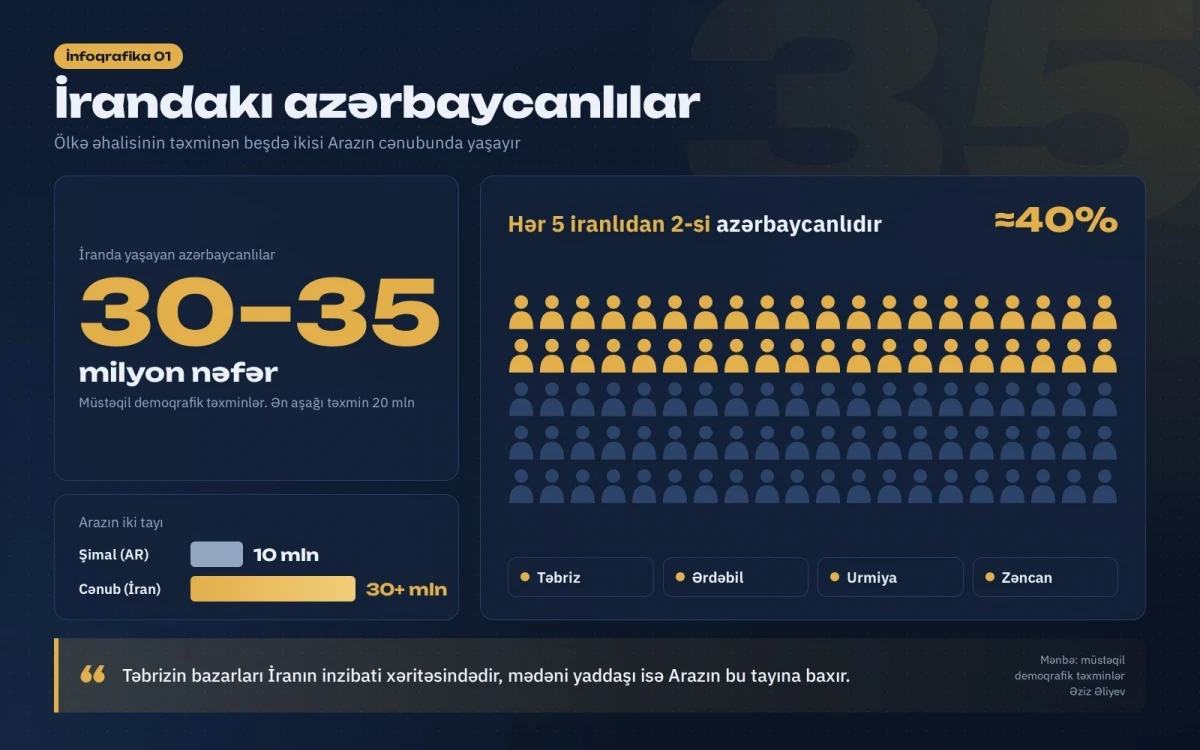 One in every three Iranians is Azerbaijani
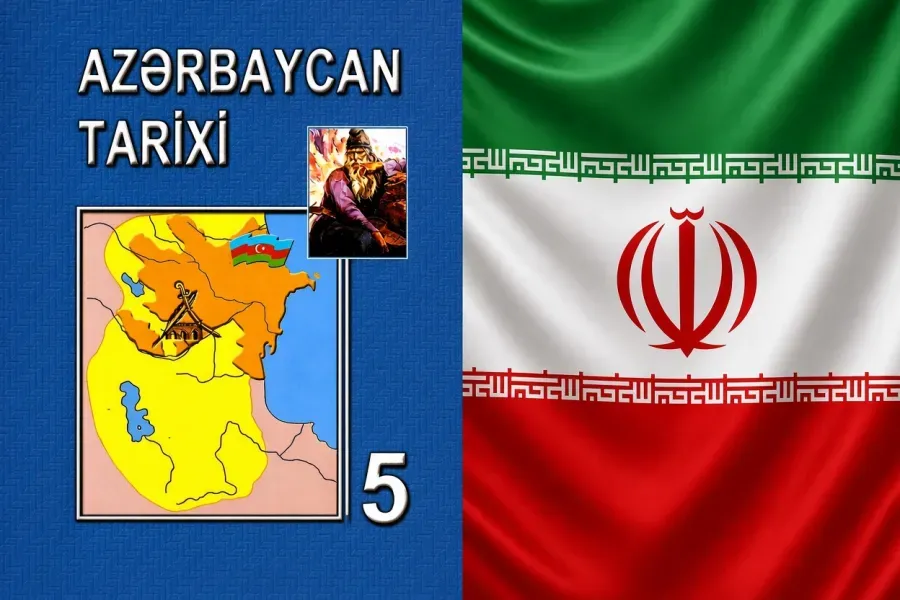
Consider the number of Azerbaijanis living in Iran. The official figure acknowledged by Tehran itself is 20 million. Independent demographic studies put the number at 30–35 million. The villages along the shores of Lake Urmia, the narrow streets of Ardabil and the bazaars of Tabriz all lie within Iran’s administrative borders, but their cultural memory looks across the Araz River to the other side.
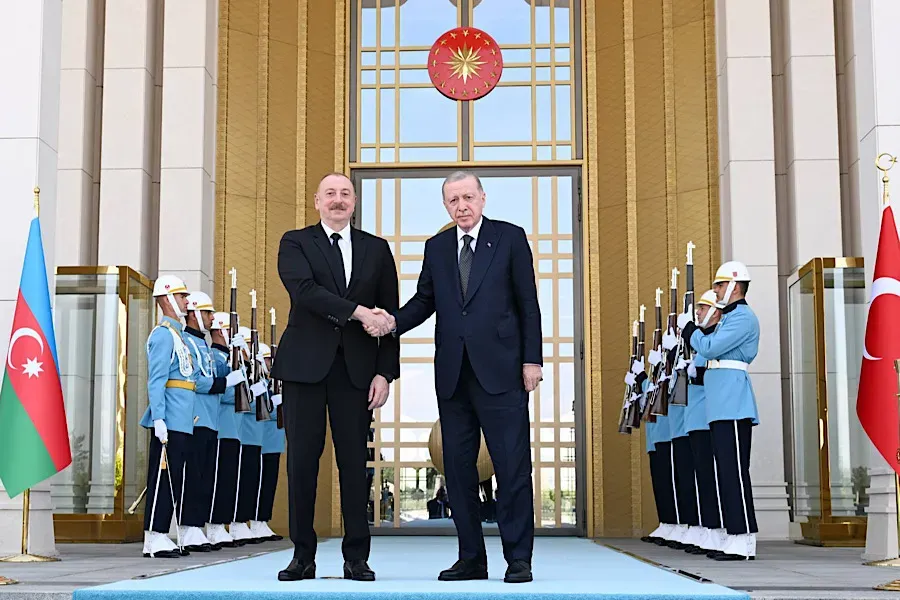
Now put yourself in Tehran’s position. You are trying to govern a country like this. To the north lies Azerbaijan — a secular, independent and increasingly powerful state that won a victory in 44 days in 2020 and has established open partnerships with Israel and Türkiye. Every success achieved by this state raises a question among those 35 million people: “Why can’t we live like that?”
If there is no answer to this question, the country is at the heart of a political crisis. Iran’s problem with Azerbaijan is often interpreted as ideological, but it is nothing of the sort. It is a question of survival.
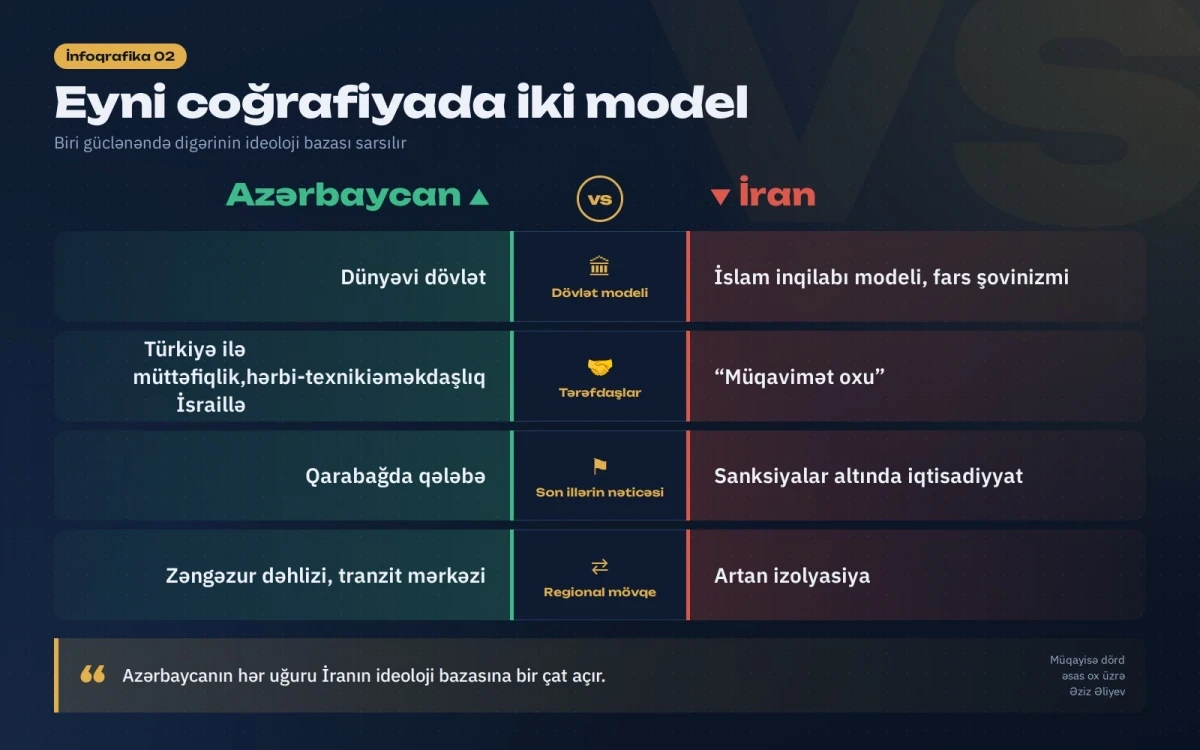 Two incompatible models exist in the same geographical space. The strengthening of one undermines the ideological foundations of the other.
These two models cannot comfortably coexist side by side in the same region. As one grows stronger, the other inevitably weakens. Every Azerbaijani success creates a crack in Iran’s ideological foundations. That is why, in Tehran’s eyes, every move by Baku — whether economic, military or diplomatic — becomes a warning signal.
Let us look at three factors. All three converged, intensifying Iran’s reaction.
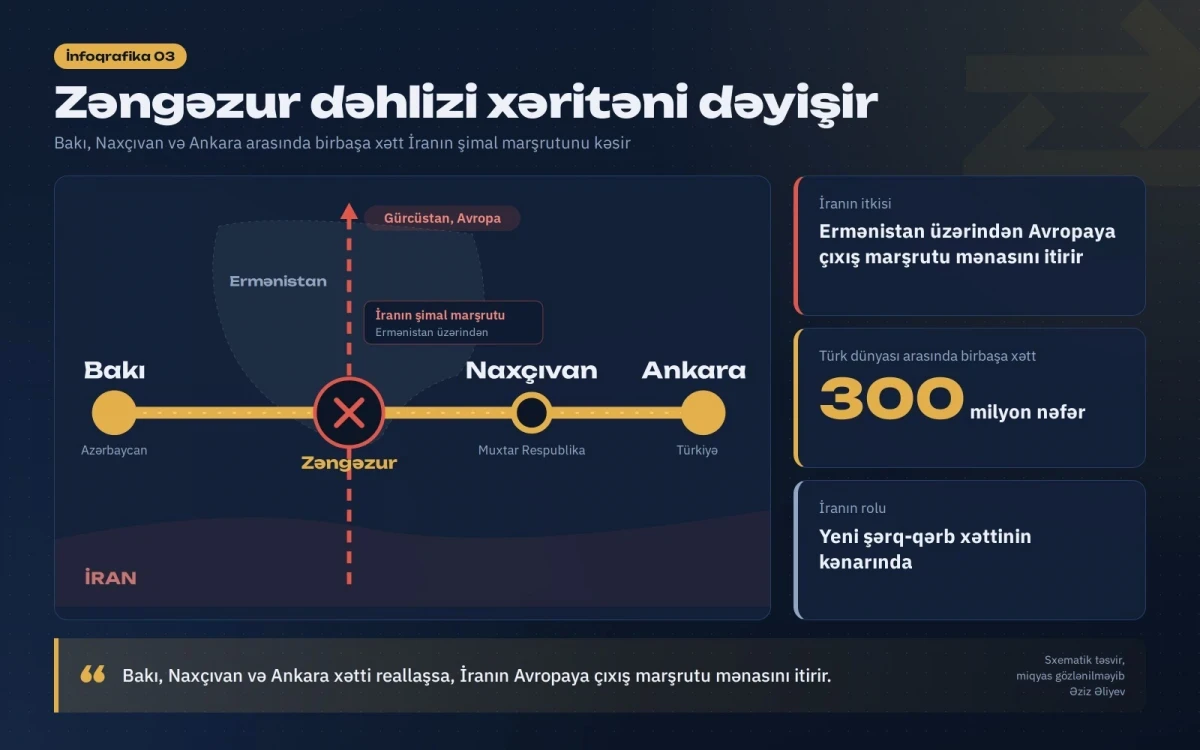
The first is the Zangezur issue. Until now, Iran has maintained a route to Europe through Armenian territory. If the Baku–Nakhchivan–Ankara corridor becomes a reality, that route will lose its significance.
 The second is Israel. In Iran’s official rhetoric, the accusation that “Azerbaijan has provided Israel with a base” is repeatedly voiced. The reality is simpler: Azerbaijan purchases weapons from Israel and develops technological cooperation within the framework of its own military interests. Tehran, however, uses this as a pretext because it has become increasingly difficult to cover up domestic discontent with anything else. During the hijab protests in late 2022, millions of people took to the streets. When your own house is on fire, the tale of a “Zionist threat” comes in handy.
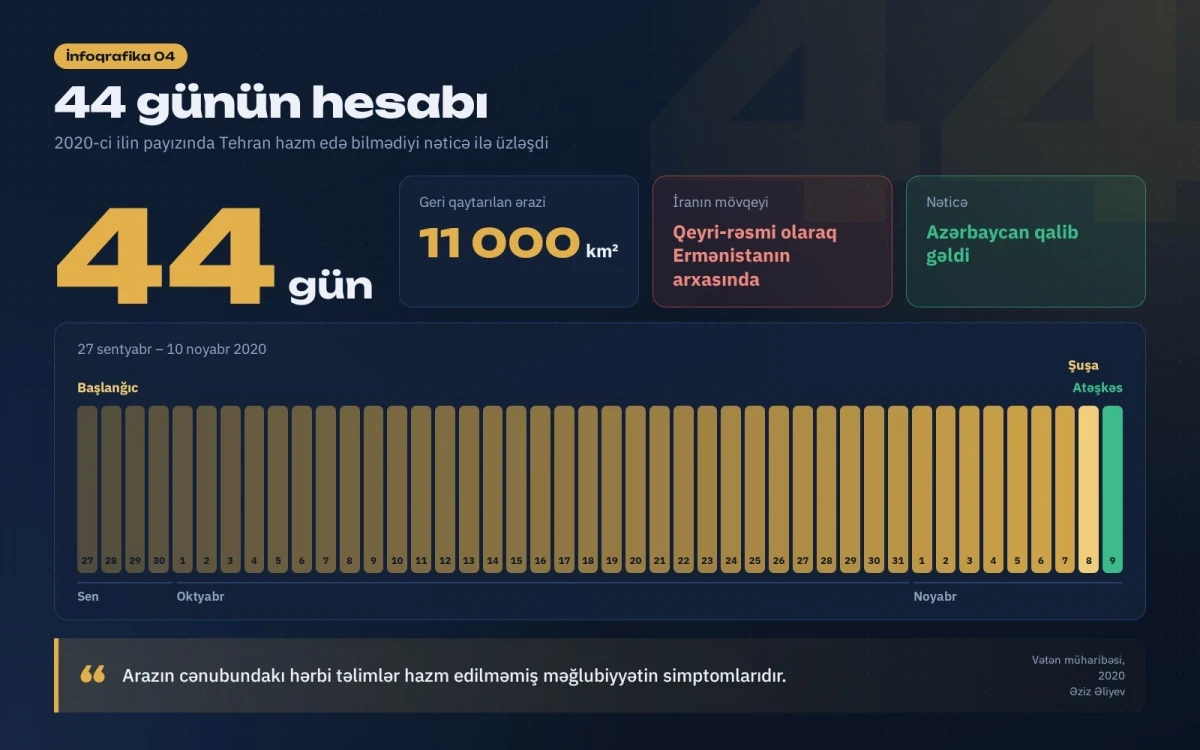
The third factor is the enduring shadow of the 44-day war.
 Conclusion: Azerbaijan won
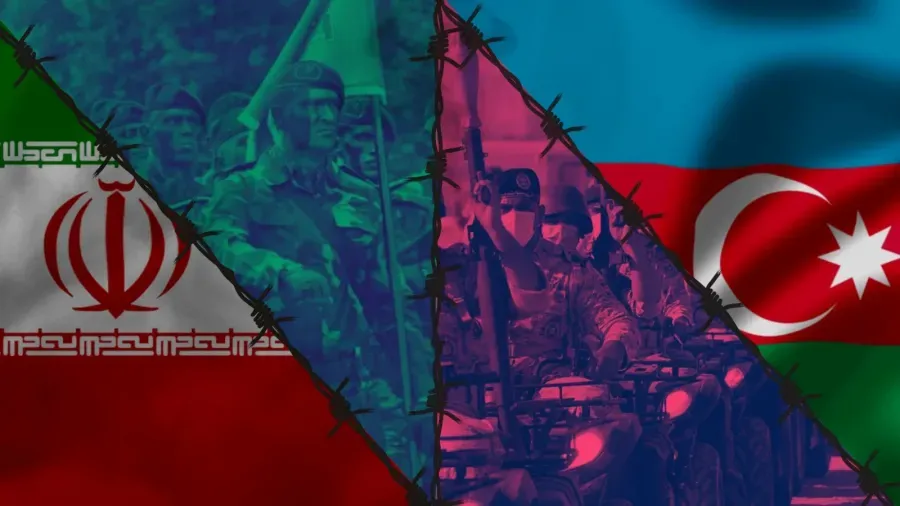
In the autumn of 2020, Iran unofficially stood behind Armenia. Azerbaijan won. Tehran was unable to come to terms with this outcome. Since then, military exercises south of the Araz River and harsh statements directed at Baku have become symptoms of a defeat that has never been fully digested.
Iran will not leave Azerbaijan alone. If it does, it will have to confront the Azerbaijani question within its own borders. People in the streets of Tabriz watch what appears on screens in Baku. They compare it with their own lives. The political weight of that comparison is immense.
Tehran understands this. That is why provoking Baku is the cheapest way to divert attention from the question.
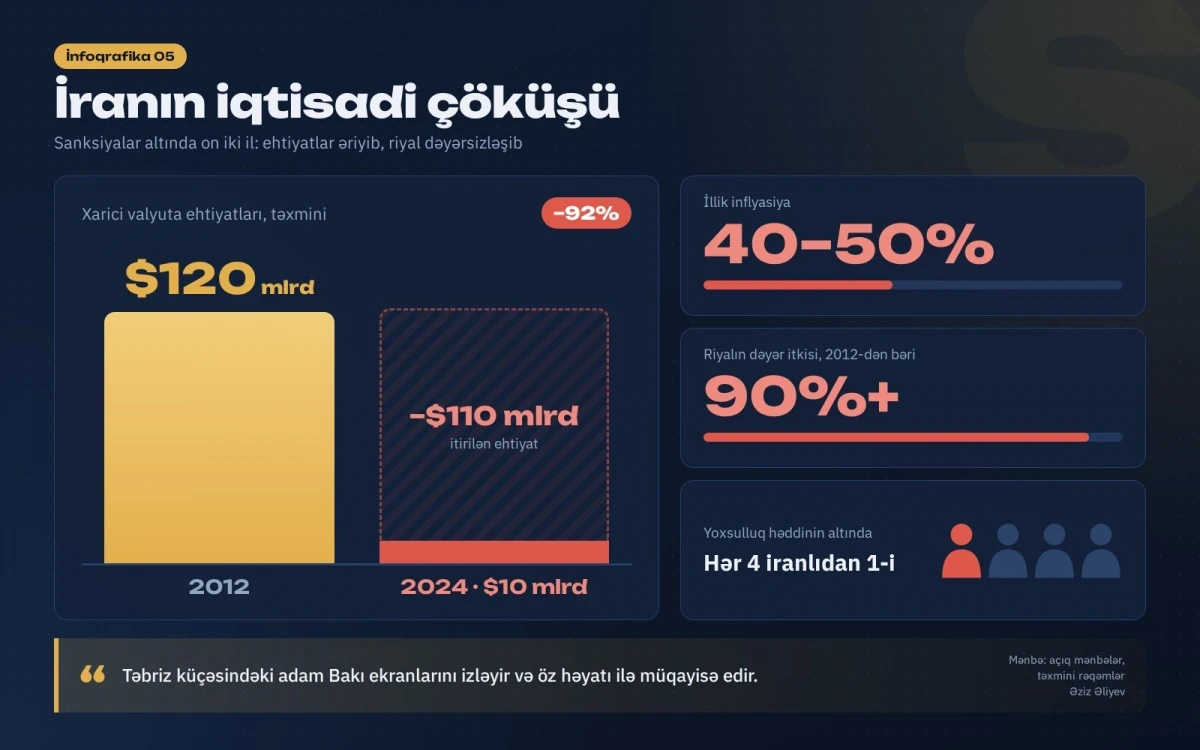 One in every four Iranians lives below the poverty line
Yet Iran’s room for manoeuvre is also shrinking. Azerbaijan is no longer the country it was in the 1990s. It has an army tested in battle, Türkiye’s open political support and the national confidence that comes with victory.
Iran, meanwhile, is in a very different position. Sanctions are squeezing the country, its economy is shaken and protests are taking place in the streets. Under these circumstances, engaging in a serious conflict with Azerbaijan would not be a luxury for Tehran — it would be tantamount to suicide.
Baku’s strategy is clear: strengthen its borders, deepen its alliance with Türkiye and preserve cultural ties with its compatriots in southern Azerbaijan without turning those ties into a political instrument.
Iran’s problems have not gone away. That is why it keeps provoking Baku.
Aziz Alibayli
International affairs expert