What awaits the world after November 3? – Analysis
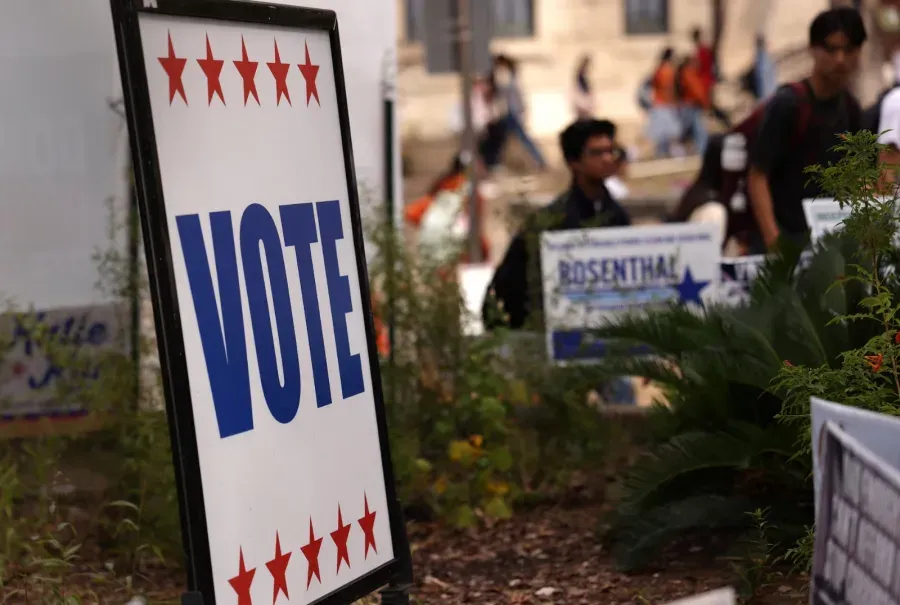
The November 3 midterm elections in the United States could become a decisive test for the remaining two years of Donald Trump’s presidency. If Democrats gain control of Congress, the White House’s room for manoeuvre on domestic policy could narrow, investigations into the administration could intensify, and the race for the 2028 presidential election could heat up well ahead of schedule. However, the key question is what steps Trump will take in international politics after the elections.
The future of US policy towards Ukraine, Iran and China, relations with allies, and Trump’s decision-making powers are all in focus. Expert assessments suggest that political confrontation in Washington could deepen after the elections, while the international arena may face increasingly unpredictable decisions.
Will a defeat in Congress weaken Trump's grip on power?
The 2026 midterm elections could alter the balance of political forces in the United States and have a significant impact on the Trump administration's activities.
If Democrats gain control of the House of Representatives, they could launch investigations into the administration's trade policy, tariffs, defence spending and other decisions. The activities of the president's inner circle and the war with Iran could also become subjects of potential investigations.
However, a Democratic victory in Congress would not automatically restrict Trump's ability to govern. The president could retain considerable room for manoeuvre through his foreign policy powers and executive authority.
Obstruction of Democratic legislative initiatives could push the White House to make greater use of presidential executive orders, emergency powers and administrative decisions. Nevertheless, Congress's position on budgetary matters and government funding could pose a serious challenge for Trump.
The 2028 presidential election will also intensify competition within the Republican Party. The future political standing of figures such as Vice President J.D. Vance and Secretary of State Marco Rubio will depend on Trump's influence after the midterms.
Could Trump pursue a more dangerous policy after the elections?
One particularly noteworthy argument is that Trump could take greater risks in foreign policy after the elections.
A historical precedent often cited in this context is US President George W. Bush's decision to escalate military operations in Iraq after the Republicans' defeat in the 2006 midterm elections. Despite public opposition to the war, the Bush administration responded by deploying additional troops rather than changing its military strategy.
Trump could also attempt to take tougher measures against Iran following electoral pressure. This would raise the possibility of the conflict expanding further.
For allies, however, the main concern is the growing instability of US foreign policy. European and Asian countries may find it increasingly difficult to predict Washington's future decisions and could adjust their own security strategies accordingly.
Will Trump force Kyiv to make concessions?
The contradictions in the Trump administration's Ukraine policy are attracting attention.
According to John Herbst, former US ambassador to Ukraine, some of Washington's decisions in recent weeks have weakened Kyiv's defence capabilities and strengthened Moscow's position. Examples cited in this regard include the Trump administration's diesel fuel deal with Russia, concessions related to sanctions, and calls for Ukraine to halt strikes on Russian oil facilities.
Experts believe opposition to Trump's Russia policy is growing in the US Congress. If Democrats gain control of the House of Representatives after the elections, this could lead to investigations into the administration's decisions concerning Moscow and demands for a tougher stance towards Russia over Ukraine.
On the other hand, Trump's main objective is to end the war as quickly as possible. Therefore, a scenario in which Kyiv is pressured to enter negotiations while Moscow is pushed towards concessions through sanctions and pressure on energy markets could remain on the table.
The key question is which side Trump will put under greater pressure in this process. A new balance of power in Congress could provide additional political leverage to influence the White House's Ukraine policy.
Will the war escalate further after the elections?
Iran is one of the key issues directly affecting both Trump's domestic standing and his international influence. The energy crisis caused by the war, rising fuel prices and US military spending in the Middle East have also become major topics in the election campaign.
The impact of the war with Iran, tariff policy and energy prices on the midterm elections is being assessed. According to these assessments, foreign policy issues have become directly intertwined with the everyday economic concerns of American voters.
Although Congress has limited influence over the course of the war, it does have certain oversight powers concerning funding and energy policy.
After the elections, Trump could face two main options: reaching an agreement with Iran through negotiations and ending the war, or increasing pressure on Tehran and adopting a tougher military and political stance.
A key factor will be public discontent in the United States over energy prices. Trump will also have to consider the risk that prolonging the war could weaken his political standing.
Will Trump strike a deal with Beijing?
US relations with China and Taiwan's security will also be among the main issues in the post-election period.
Unclear messages from Washington could lead to miscalculations in Beijing.
The Trump administration may demand that Taiwan increase its defence spending and allocate more funds to purchasing US weapons. At the same time, tariffs are expected to be used as leverage in trade negotiations with China.
Instability in Trump's China policy and potential tensions in the Taiwan Strait remain major concerns. An attempt to reach an economic agreement with Beijing could affect Washington's position on security guarantees for Taiwan.
What will happen to Trump's international standing?
Trump's policy towards Russia is one of the key factors that will shape his presidential legacy. Leaving Ukraine isolated in the face of Russian pressure could cause long-term damage to the United States' international standing.
From this perspective, the November 3 elections will determine not only Trump's domestic political strength but also how the United States is perceived by its international partners and rivals.
A Democratic victory could strengthen congressional oversight of the White House. However, Trump's foreign policy powers would remain in place.
The possibility that the president could take tougher and more unpredictable steps even after an electoral defeat cannot be ruled out.
Trump may either seek to turn conflicts into political victories through negotiations or make riskier decisions during the final stage of his presidency.
Jala Rovshan