Who are the “external threats” Aliyev referred to? – Analysis
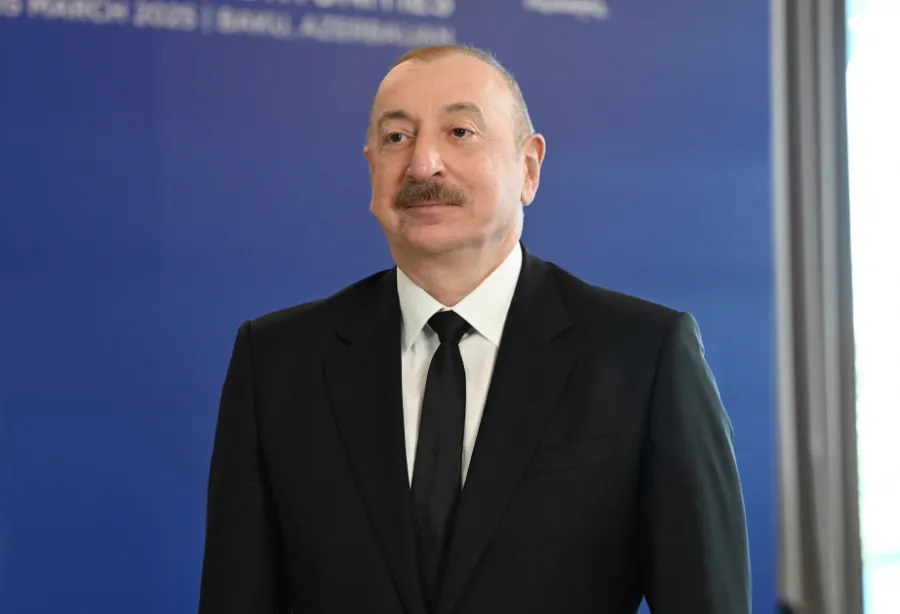
In his speech at the opening ceremony of the 7th World Forum on Intercultural Dialogue, President Ilham Aliyev made important remarks about the country’s security and potential risks. He noted that all potential risks and threats originate from outside the country’s borders.
Which directions could potential threats to Azerbaijan come from?
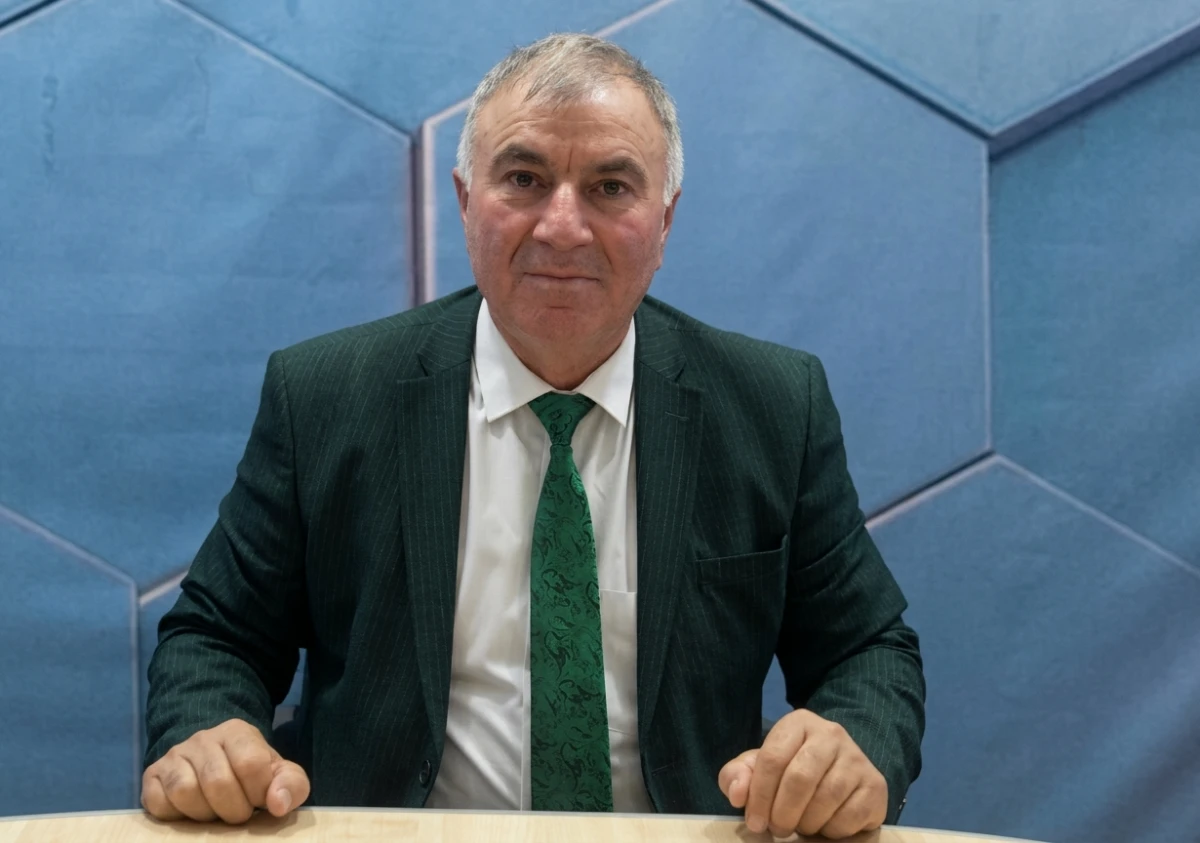 Political analyst Ali Mustafa told TodayPress TV that Azerbaijan does indeed face potential risks from several directions.
“First of all, let us consider the northern direction. The Russia-Ukraine war is continuing. At the same time, Russia has geopolitical interests in the South Caucasus, and pressure and potential risks can be expected from Russia on a number of issues.
“Of course, Russia still retains its ability to exert influence in the region. At the same time, we know that other centres of power and empires also want to enter the region, gain certain advantages and expand their spheres of influence. In this respect, Russia’s competition, and even confrontation, with other powers creates certain risks.
“Russia may exert pressure on regional states and use various means to keep the South Caucasus within its sphere of geopolitical influence.”
The analyst also drew attention to risks from the south.
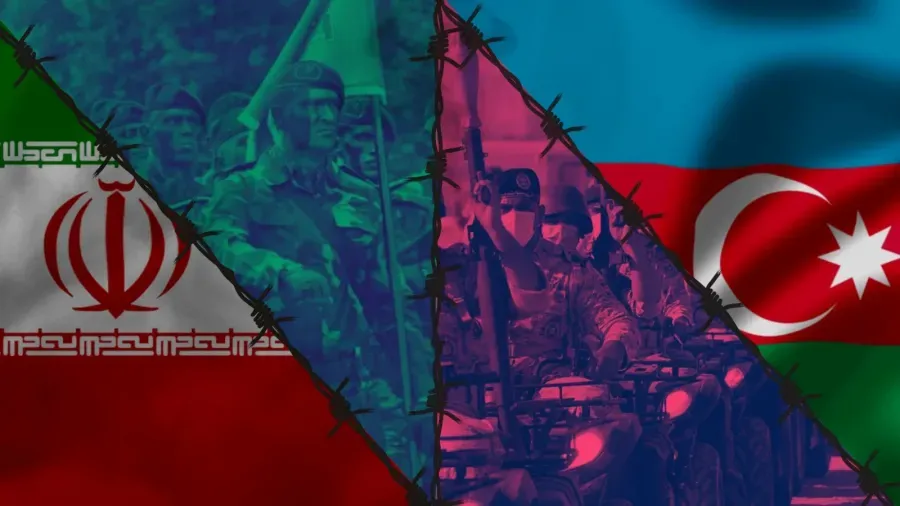
“We know that tensions currently exist between Iran, the United States and Israel. Iran has also issued statements of a threatening and coercive nature towards neighbouring countries, including Azerbaijan.
“It is difficult to say in advance exactly what actions may be taken. However, we have witnessed missile and drone attacks. We remember the attack that took place on March 5 or 6, if I am not mistaken. From this perspective, the risks remain.
“Furthermore, we share a border with Iran, and the possibility of various incidents occurring in border areas must also be taken into account. Iran has deployed ground forces along several sections of its borders. This raises concerns about the risks associated with possible military operations.
“Finally, millions of our compatriots live in northern Iran. If the conflict between Iran, the United States and Israel expands, a significant migration flow could emerge from that direction, potentially creating humanitarian problems. These are also risks that must be considered.”
Our interviewee added that risks related to Armenia also exist in the western direction.
“Violations of the ceasefire along the border with Armenia are among the potential threats. A peace agreement has not yet been signed, and Armenia is arming itself.
“At the same time, various configurations could emerge within the framework of military and strategic cooperation involving Iran, Russia and Western countries. The fact that a peace agreement between Azerbaijan and Armenia has yet to be signed, along with the failure to complete border delimitation and demarcation, creates the potential for tensions and risks.”
According to the political analyst, threats associated with the Caspian Sea cannot be ruled out in the eastern direction either.
“There are potential threats in the Caspian Sea as well. Iran and Russia have the capacity to exert influence in this area, and sources of danger stemming from these countries exist. Therefore, certain challenges and risks could also emerge from the eastern direction.”
Jala Rovshan