
Can a signature on paper put an end to centuries of hatred?
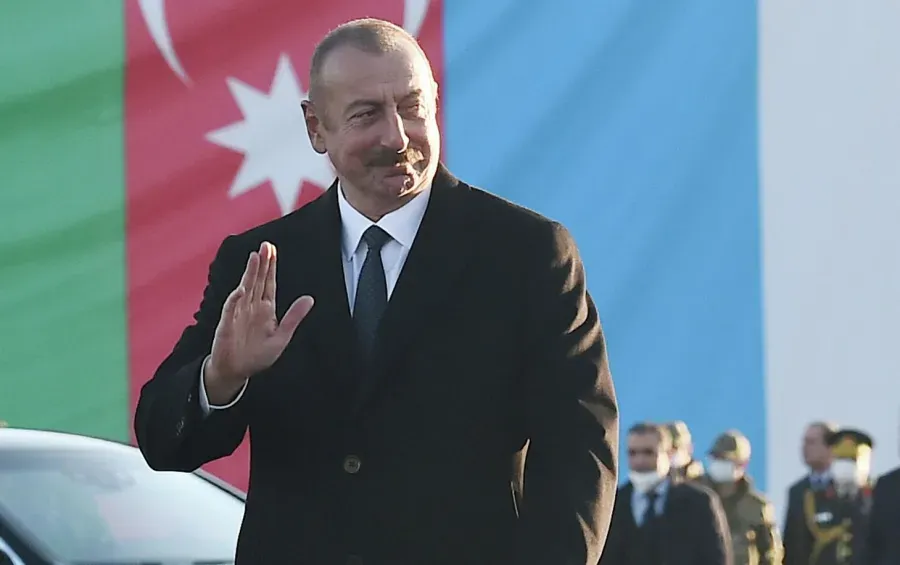
Some time ago, at a CIS summit, Armenian Prime Minister Nikol Pashinyan described peace between Baku and Yerevan as “not ideal, but sustainable” and stated that humanitarian issues remained unresolved. He also acknowledged that negative rhetoric periodically intensifies on both sides.
It is well known that mistrust exists between the two peoples. Its simplest manifestation can be seen on social media. Hatred has taken deep root. This was also evident in the context of an Azerbaijani soldier crossing into Armenia, and it continues to this day.
So, what is needed to normalise relations between the societies? It is clear that a peace treaty alone will not be enough.
History offers examples of peoples who harboured deep hatred and mistrust towards one another but managed to reconcile after wars. What can their experiences teach us?
Speaking to TodayPress TV on the matter, historian Zaur Aliyev recalled that following the complete liberation of Karabakh, efforts to establish peace between Azerbaijan and Armenia continued, and that bilateral meetings between civil society representatives and organisations began after the Washington agreement.
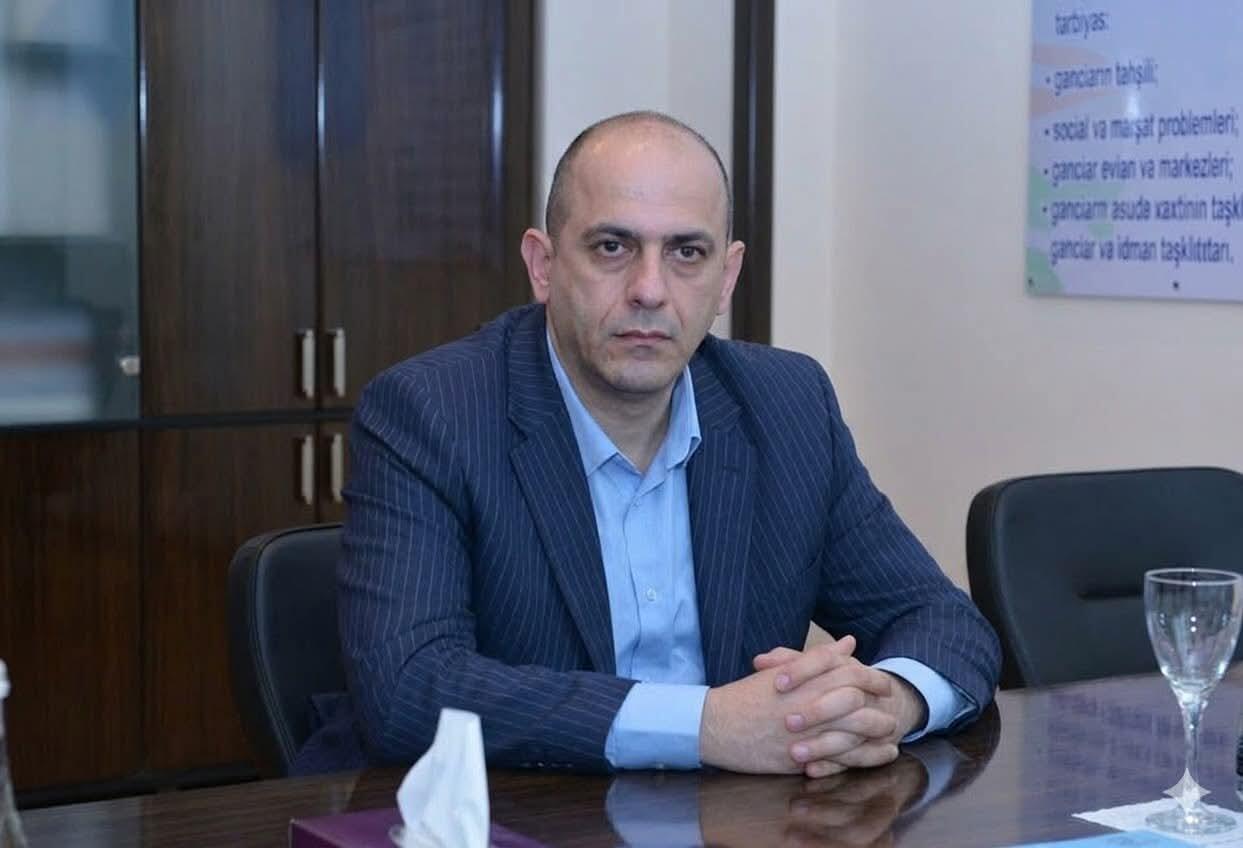
“Azerbaijanis travelling to Armenia and Armenians coming to Baku are holding talks aimed at establishing peace in the region. Ensuring peace in the region is essential, and the bloodshed must come to an end. This is the position of the Azerbaijani people, and our country acts accordingly. But how long will the other side adhere to this position?
“That is the key question.
“The mission known as the ‘Peace Bridge’ initiative is not the first of its kind in Azerbaijani history. In 1918, following the horrific massacres and genocide committed by Armenians in Baku and various regions of Azerbaijan, delegations comprising prominent intellectuals were formed in Baku and Ganja.
“Although there was no permanent international organisation operating at the time specifically to secure direct peace between Azerbaijan and Armenia, certain commissions, temporary bodies and diplomatic initiatives existed to resolve conflicts,” the historian said.
Zaur Aliyev noted that various proposals are currently being put forward and discussed in this area as well.
“Different models are being considered. The first is the Franco-German model. After centuries of wars against each other and the loss of millions of lives, the two nations integrated their coal and steel industries after the Second World War, making war economically unfeasible. This cooperation laid the foundations of today’s European Union. At the same time, they sought to raise new generations in a spirit of friendship through jointly developed textbooks and student exchange programmes.
“There is also the South African model. Following the collapse of the apartheid regime, crimes were acknowledged through the ‘Truth and Reconciliation Commission’, victims were given a voice, and the principles of forgiveness were prioritised over revenge.
“The Northern Ireland model, meanwhile, demonstrated through the Belfast Agreement that even the most radical sides could reach a compromise. The political courage of international mediators and the leaders of both sides played a decisive role in this process.
“History shows us that hatred is not eternal. However, reconciliation does not happen on its own. Establishing reconciliation between societies requires a comprehensive, long-term process.
“First and foremost, sensitive humanitarian issues must be fully resolved, including the return of detainees, clarification of the fate of missing persons and the exchange of mine maps. Armenia must fully and formally recognise all of Azerbaijan’s sovereign territories, including Karabakh, at the constitutional level. Any humanitarian or cultural initiative must be built on this legal foundation.”
Zaur Aliyev added that if the rights of refugees are being discussed, the process must proceed in parallel with addressing the rights of Western Azerbaijanis to return to their ancestral lands and have their property rights recognised.
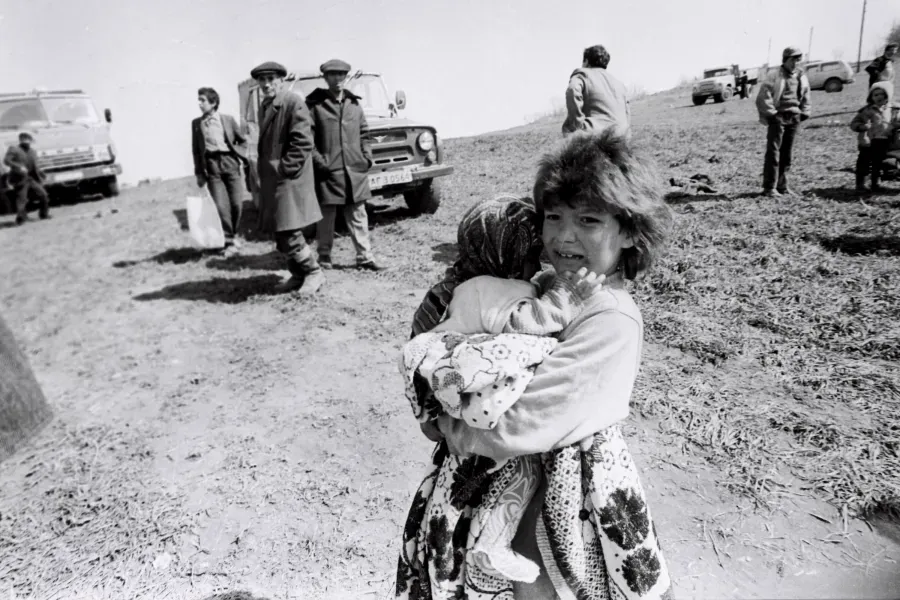
“Reconciliation does not mean forgetting the past. Azerbaijan must continue to defend, on the international stage, issues of legal and moral responsibility related to the Khojaly genocide, the memory of our martyrs and our cultural and historical heritage destroyed during the occupation. Historical facts must not be distorted in the name of peace.”
Giymat Mahir