
Azerbaijanis freed from captivity and imprisonment under President Ilham Aliyev
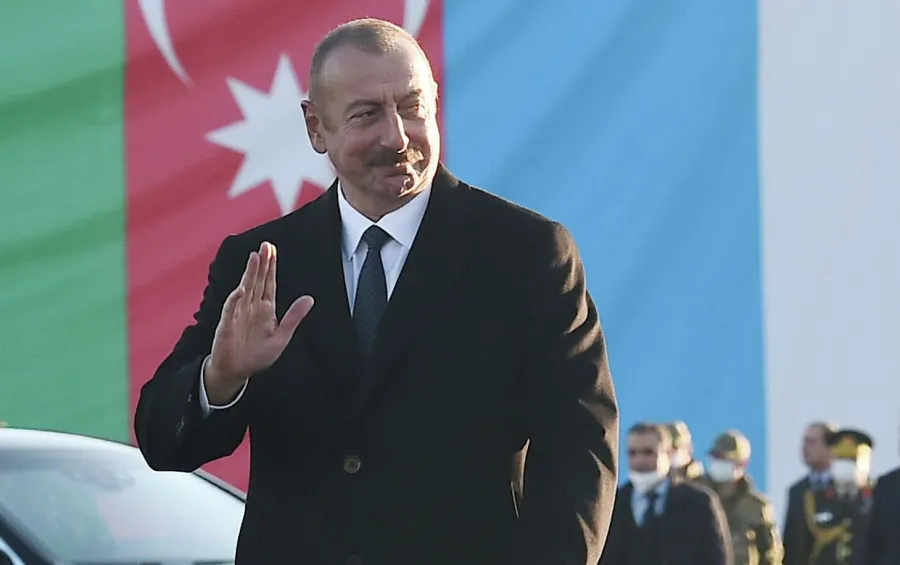
One of the most important and unchanging principles of the state policy pursued by President Ilham Aliyev since 2003 has been ensuring that every Azerbaijani citizen, regardless of where they are, feels that a strong state stands behind them. This has included the release of Azerbaijani citizens from captivity and prisons abroad, evacuations from conflict zones, as well as the repatriation of the remains of fallen servicemen draped in the national flag.
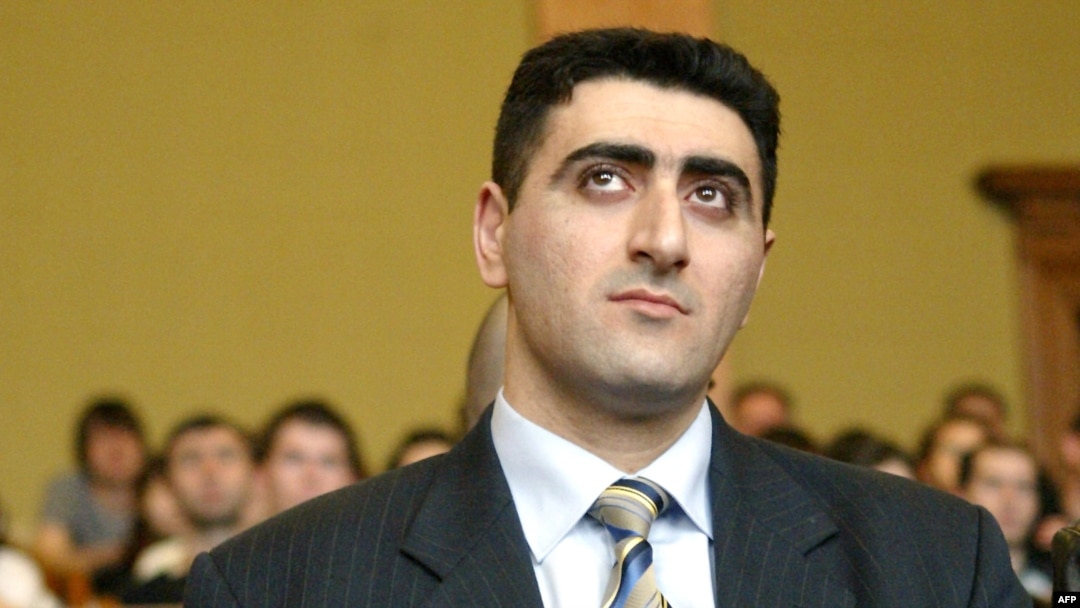
One of the most prominent and widely resonant chapters of this mission was undoubtedly the return and release of Ramil Safarov to Azerbaijan. In 2004, the Azerbaijani officer was sentenced to life imprisonment in Hungary over an incident involving an Armenian officer during NATO exercises, which he committed in response to insults. He spent years imprisoned in a foreign country. However, on August 31, 2012, as a result of the President’s personal authority and carefully calculated negotiations conducted at the legal and diplomatic levels, Ramil Safarov was brought to Azerbaijan. On the same day, he was pardoned and released by a presidential decree, promoted to the rank of major, and provided with housing and all necessary conditions for his future service. The move demonstrated to the world the state’s determination not to abandon its servicemen even in the most difficult circumstances.
Not only the lives of citizens, but also the memory of servicemen who sacrificed their lives for the homeland and the repatriation of their remains have always been subjects of high-level diplomatic efforts. In 2010, the remains of National Hero Mubariz Ibrahimov, who had single-handedly crossed into an enemy trench and turned his bravery into legend, were held by the opposing side for 141 days, while the remains of First Lieutenant Farid Ahmadov were also kept for months. An agreement on their repatriation was reached following the President’s direct demand at the trilateral presidential summit in Astrakhan, held with Russian mediation, and with the participation of the International Committee of the Red Cross. In November, the remains of the fallen servicemen were brought to Baku and buried in a solemn ceremony attended personally by the President.

A similar case occurred in December 2016 with the repatriation of the remains of Chingiz Gurbanov, who was killed while carrying out a combat mission. Following intense diplomatic pressure, his remains were also handed over. The President met with his family and personally presented the National Hero medal to the serviceman’s relatives.

The state’s rescue mission is not limited to the military sphere; it extends to some of the world’s most volatile and dangerous regions. In 2017, three Azerbaijani citizens — Namiq Salmanov, Movlud Rashidbeyli and Farid Aliyev — who had been taken hostage by armed groups in Libya and imprisoned, were released and brought to Baku as a result of complex efforts by Azerbaijani diplomats in cooperation with Libyan authorities and the Turkish Embassy.
Similarly, student Farid Safarli, who was detained in Iran in 2023 on espionage charges, was handed over to Azerbaijan in January 2025 and reunited with his family following sustained legal and diplomatic efforts by the state and a special instruction from the President.
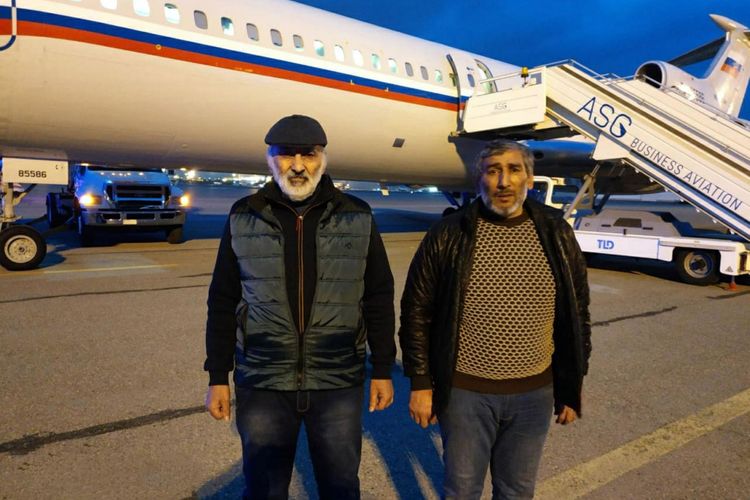
At the same time, immediately after the 44-day Patriotic War ended in victory in 2020, the release of our compatriots who had endured years of torture in Armenian captivity became an act of historical justice. Dilgam Asgarov and Shahbaz Guliyev, who were taken hostage in 2014 while visiting the graves of their parents in their native Kalbajar, were brought back to their homeland on December 14, 2020, together with other Azerbaijani prisoners and hostages as part of a large-scale prisoner exchange carried out immediately after the war.
In recent years, this humanitarian policy has taken on a broader and more systematic character. A special state mechanism has been launched to repatriate Azerbaijani citizens, particularly women and children, who found themselves in desperate conditions in camps in conflict zones in the Middle East, including Syria and Iraq. Within the framework of these missions, carried out by a working group of the Ministry of Foreign Affairs, special services and other relevant institutions in accordance with rules approved by the President, 295 people from Iraq and 224 from Syria — the majority of them women and children — have been brought back to Azerbaijan on special charter flights. Rehabilitation efforts have also been undertaken to facilitate their reintegration into society.
It is a fundamental truth that, for the Azerbaijani state, the life, security and dignity of every citizen are above all else.
Giymat Mahir