
What Is Azerbaijan to Those Who Call Khamenei Their “Master”?!
The historical roots of ideological aggression, foiled assassination plots and the threat posed by the “fifth column” at home...
The stance of those who openly declare on social media, in courtrooms or at meetings of radical religious networks, “My leader is Ali Khamenei” or “Khamenei is our master; whatever he does is right” raises not only public anger but also serious questions. What does the independent Republic of Azerbaijan truly mean to those who choose the supreme leader of a foreign theocratic regime as their absolute “master” and even place Tehran’s interests above those of their own state? Is it their homeland?!
Two centuries of theocratic export: historical roots and modern manifestations
The roots of this ideological influence can be traced through several stages.
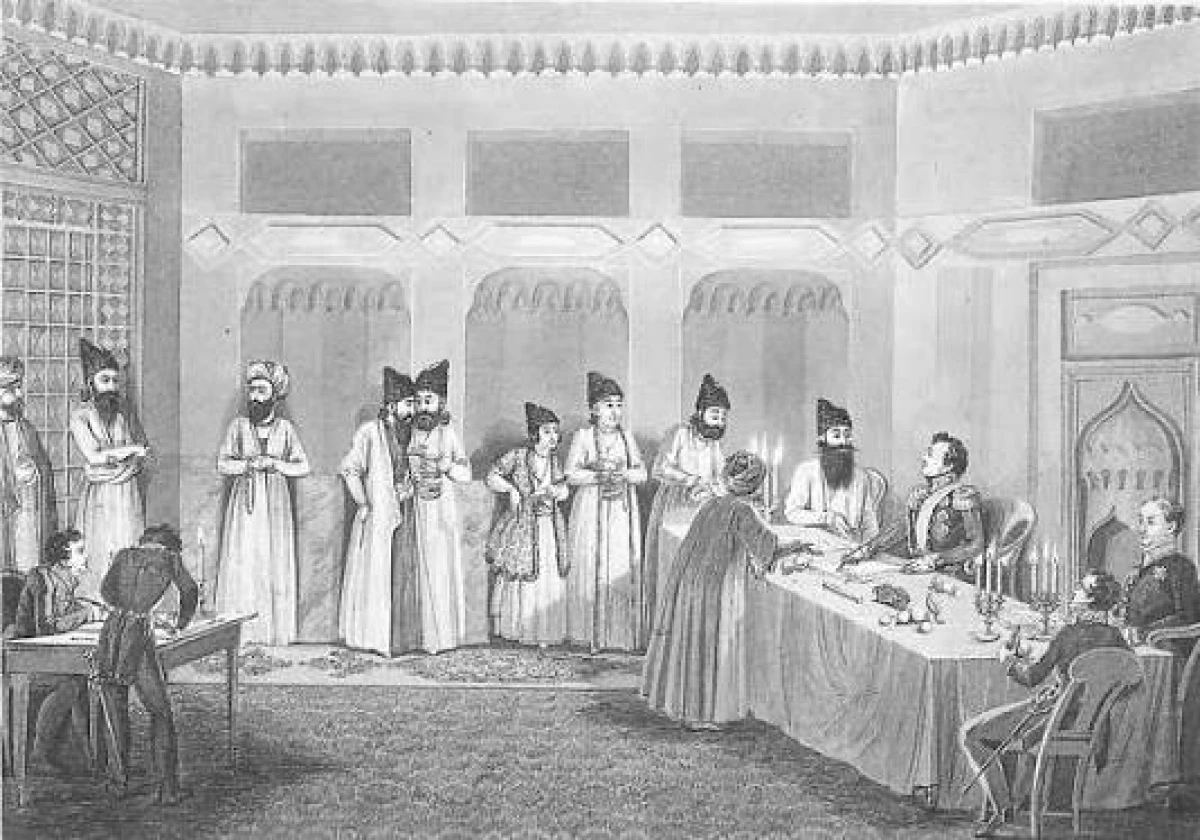
The legacy of the Russian Empire and the Soviet era: Following the Treaties of Gulistan and Turkmenchay in the 19th century, the border that emerged between northern and southern Azerbaijan unfortunately allowed the northern part to remain exposed to the ideological influence of theocratic religious centres in the south, including Qom and Mashhad.
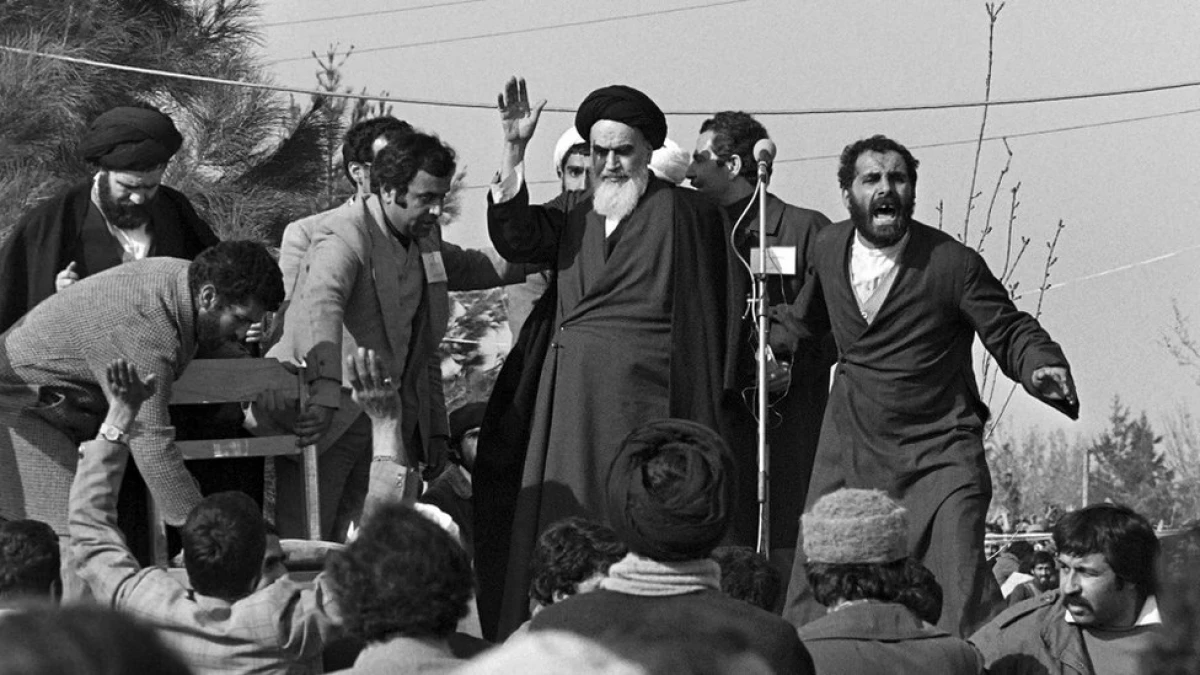
The 1979 Revolution and the “export of experience”: Following the Islamic Revolution in Iran, one of the main pillars of Tehran’s foreign policy became the “export of the Islamic Revolution as an ideology” to neighbouring countries.
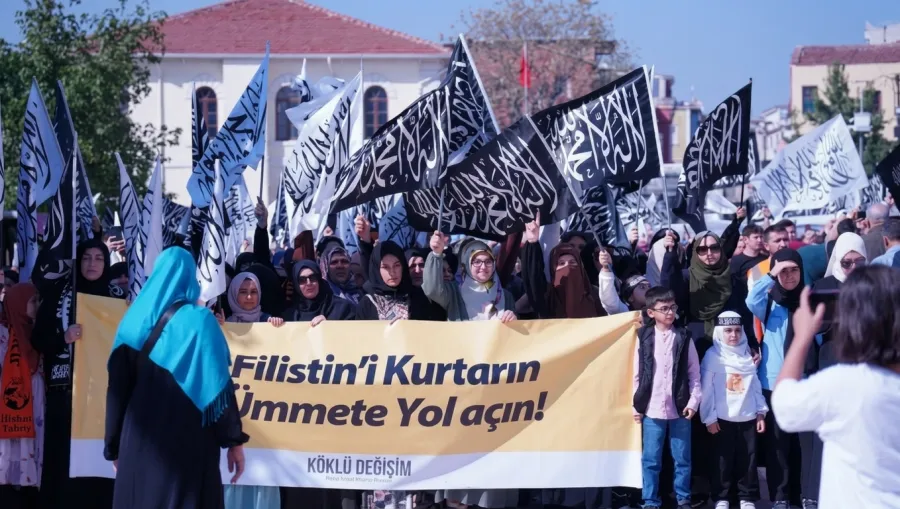
The early years of independence and the exploitation of an opportunity: In the early 1990s, when Azerbaijan was struggling with the Karabakh war, economic difficulties and political turmoil, foreign religious foundations, emissaries and ideologues entered the country and began organising against secular statehood. The objective was the same: to establish a theocratic satellite regime in Azerbaijan subordinate to Tehran instead of an independent, secular state.
Subversive activities and operations: What threats have been prevented to date?
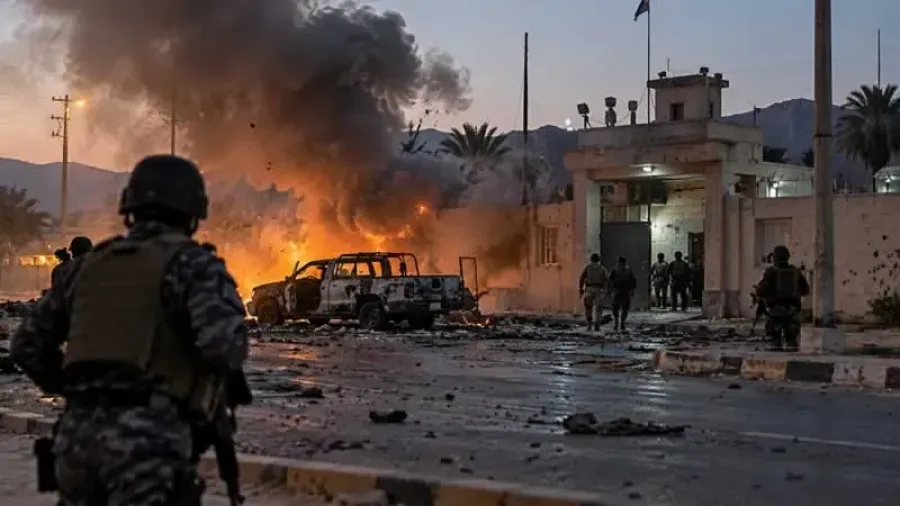
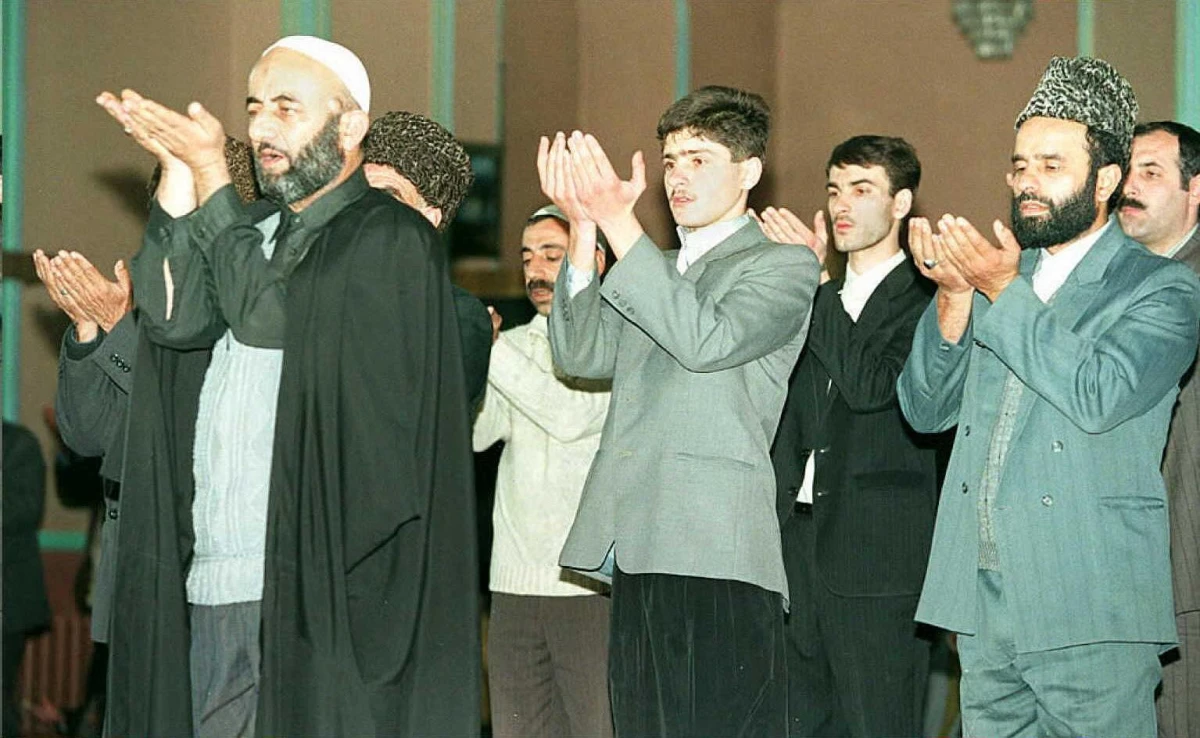
Throughout Azerbaijan’s independence, law enforcement agencies and the State Security Service (SSS) have repeatedly thwarted plans by foreign theocratic networks to create chaos, carry out terrorist attacks and attempt to overthrow the government.
Among the most high-profile cases are:
Assassination plots targeting embassies and ambassadors: In the 2000s and 2010s, security agencies prevented planned terrorist attacks in Baku targeting the Israeli and US ambassadors, as well as diplomatic missions of foreign countries and Jewish centres.
The Ganja events (2018): It is no secret that the assassination attempt against the head of the Ganja City Executive Authority, followed by unrest that resulted in the deaths of police officers, constituted a direct terrorist attack against the state by radical religious groups allegedly directed from abroad.
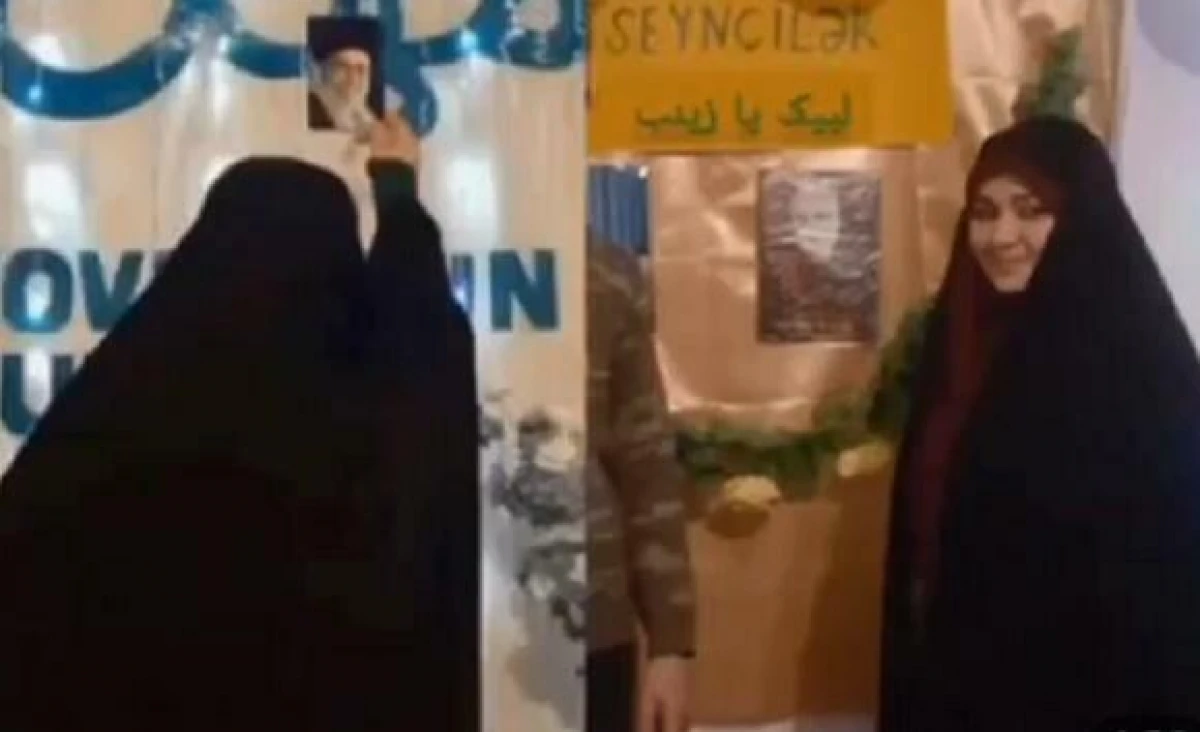
The exposure of the “Huseyniyyun” terrorist organisation: Plans by a radical group known as “Huseyniyyun”, reportedly established under the control of Iranian intelligence services and trained militarily in Syria, to prepare a coup in Azerbaijan were foiled. The organisation’s key figures were detained and brought to justice.
The dismantling of espionage and intelligence networks (2022–2023): Following the Patriotic War, a series of special operations conducted by the SSS and the Ministry of Internal Affairs exposed and led to the arrest of hundreds of members of intelligence networks. Operating under the guise of religion, they allegedly gathered information about military units, strategic facilities and oil pipelines while seeking to foment sectarian discord in society.
Subversive activities targeting the media and strategic facilities: According to the article, propaganda directed against statehood, as well as assassination plots targeting various state officials, were thwarted through media resources, social media channels and illegal religious cells operating under the name “Huseyniyye”.
Religious cover and political reality: The pretext of “taqlid”
In Shia Islam, the practice of following a particular religious scholar, known as a marja al-taqlid, on religious matters is being presented as something ordinary. However, the central issue here is clear: under Iran’s political model, the religious leader, exercising velayat-e faqih, does not merely determine the rules of worship. He is also the head of the theocratic state, the commander-in-chief of its armed forces and the ultimate authority over political decisions.
Therefore, allegiance to Khamenei does not end with the rules governing prayer and fasting. It means submitting directly to a foreign political will and placing another state’s interests above those of one’s own country. This directly contradicts Azerbaijan’s independence and national security.
History and the events cited in the article are presented as evidence that, for someone who calls Khamenei their “master”, Azerbaijan is neither a spiritual homeland nor a source of pride. Instead, Azerbaijan is portrayed as a temporary refuge that a foreign theocratic centre seeks to bring within its sphere of influence.
The article concludes that Azerbaijani society and the state, which place national sovereignty, secular values and independence above all else, firmly reject this mindset, its historical roots and all attempts at subversion.
Jala Rovshan