

2,500-year-old mystery uncovered in Mexico: How did ancient people track the Sun?
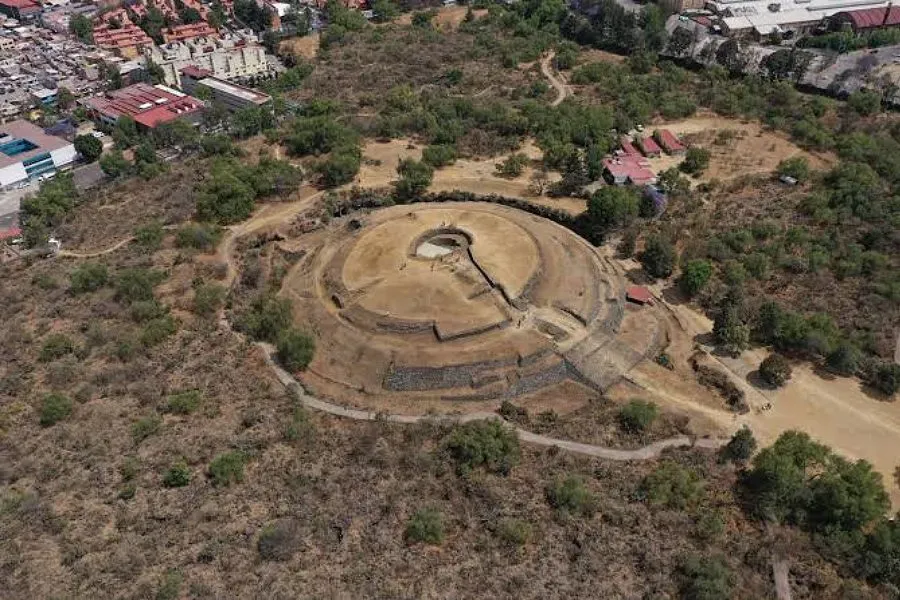
Archaeologists in Mexico have confirmed the existence of an ancient solar observatory dating back more than 2,500 years. The discovery sheds new light on ancient civilizations’ knowledge of astronomy and calendar calculations.
TodayPress TV reports that researchers from Mexico’s National Institute of Anthropology and History (INAH) conducted studies at the Teteles de Ávila Castillo archaeological site in Puebla state.
The researchers found that the monumental structures at the ancient settlement were not used solely for religious ceremonies. The complex’s eastern platform was designed to track the Sun’s movement and determine the dates of the spring and autumn equinoxes, as well as the summer and winter solstices.
According to the scientists, these observations helped local inhabitants plan agricultural activities. By tracking solar cycles, they could determine the start of the planting season in February and the time for harvesting in October.
The discovery shows that the astronomical knowledge of ancient Mesoamerican peoples was not limited to the Maya civilization. The research also opens up new opportunities to study the development of early cultures in the region and the relationship between astronomy and urban planning.
According to archaeological evidence, Teteles de Ávila Castillo was in use from around 900 BC. Although the settlement later declined in importance, the site retained its role as a sacred place. Offerings left by other peoples dating from AD 600 to 900 have also been discovered there.
Turkan Isgandarli