
What religion do those who know terror practise?
Throughout history, whenever attempts have been made to govern states through religion and to base politics on divine claims, the results have been disastrous: science has been suppressed, human freedoms have been trampled upon, and major catastrophes have followed. When reason and rational thinking are pushed aside in state governance and religious dogma takes precedence, ordinary people are invariably the ones who pay the price through mass killings, famine and poverty.
One of the most horrific examples occurred in China in the 19th century. Hong Xiuquan, who declared himself the younger brother of Jesus Christ, gathered religious fanatics around him and established his own rule. The movement he led quickly plunged the country into bloody conflict and imposed harsh measures against traditional culture and religious beliefs. The civil war fuelled by this religious fanaticism claimed more than 20 million lives.

A similar situation unfolded in Florence, Italy. After seizing power, the fanatical monk Girolamo Savonarola established a strict religious regime in the name of “moral purification.” Some of the Renaissance’s most valuable works of art, books and manuscripts were burned in bonfires. Religious fanaticism and an atmosphere of fear intensified in a city that had been one of the major centres of free thought and art, dealing a serious blow to Florence’s cultural life.
The merging of religious authority with political power also had devastating consequences in Europe. Inquisitorial courts persecuted thousands of people for their religious beliefs and opinions, subjected them to torture and executed some at the stake. The fusion of religious divisions with political interests ultimately plunged Europe into destructive conflicts such as the Thirty Years’ War. Central Europe was devastated, and millions of people lost their lives as a result of war, famine and epidemics. According to some estimates, around one-third of the population perished in certain parts of the region.
A similar scenario unfolded in Sudan. The movement led by Muhammad Ahmad, who proclaimed himself the Mahdi, resulted in the establishment of religious rule in the country. Confrontations with foreign powers, strict religious rules and prolonged warfare further aggravated the situation. Famine, epidemics and military clashes caused enormous losses among the population. These events demonstrate how rule founded on religious claims, when combined with war and crisis, can have devastating consequences for society.

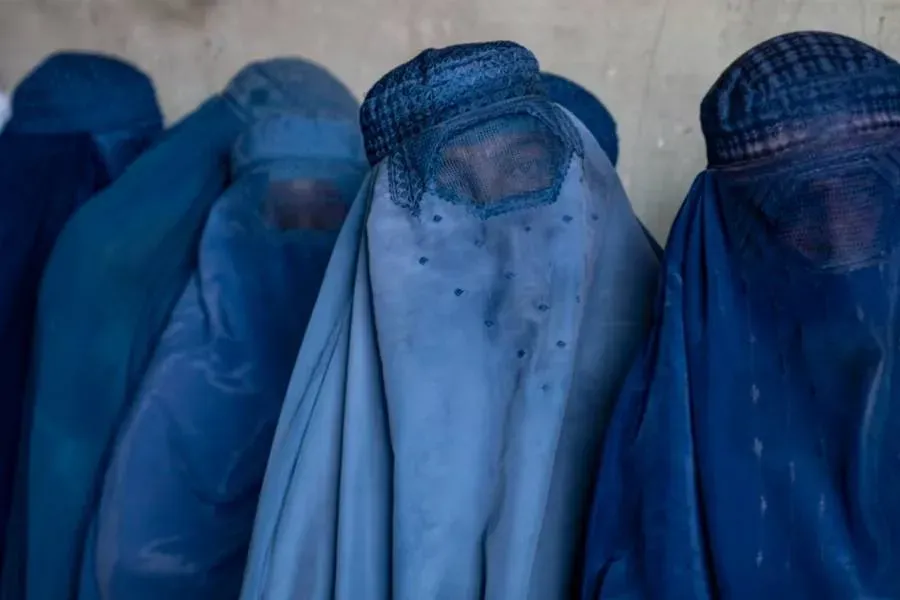
Similar problems persist today. In Afghanistan, the Taliban’s strict restrictions on women’s education and participation in public life, along with actions damaging the country’s historical and cultural heritage, have raised serious concerns. In Iran, meanwhile, the central role of religious rules in state policy has contributed to major social and political problems. Times and circumstances change, but the risks associated with religious authority dominating state governance remain.

History has repeatedly shown that when religion moves beyond the sphere of personal belief and becomes a principal instrument of state governance, free thought, human rights and social progress face serious threats. Regimes that invoke divine justice and justify their authority through religious dogma often bring their peoples restrictions, crises and devastating human losses rather than prosperity and freedom.