Hidden causes of hair loss: What might your body be lacking?
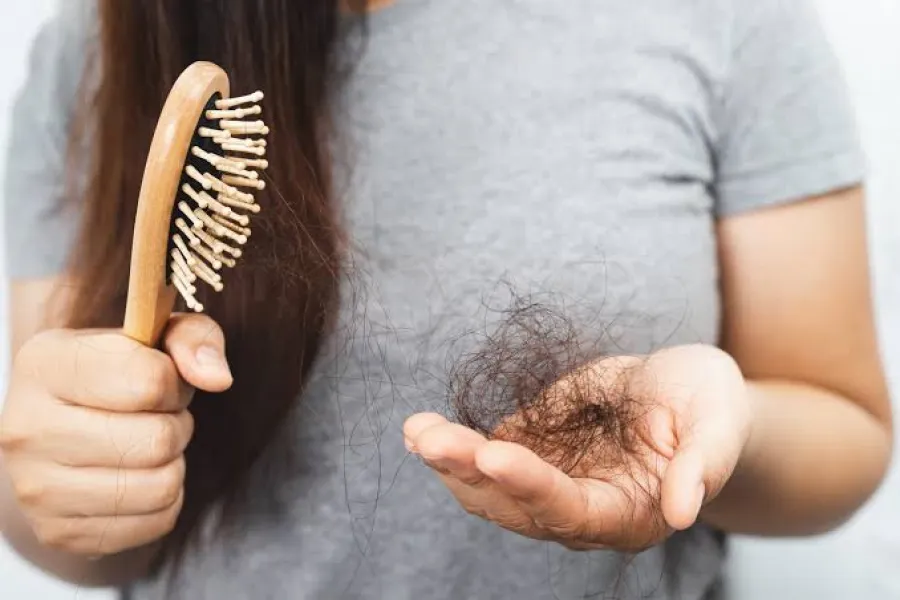
Hair loss is not just a hair-care problem. In some cases, it can be a sign of hormonal changes, vitamin and mineral deficiencies, or certain underlying health conditions. Although losing a certain amount of hair every day is normal, noticeable thinning, a widening part, or persistent hair loss warrants attention. Identifying the cause correctly is an important step toward restoring hair health.
One of the main causes of hair loss is hormonal changes.
In particular, sensitivity to androgen hormones can gradually weaken hair follicles and cause individual strands to become thinner in some people. This process, known as androgenetic alopecia, is associated with a genetic predisposition. In men, it typically appears as thinning around the hairline and crown, while in women, it often affects the upper part of the scalp.
Thyroid disorders can also contribute to hair loss.
Because thyroid hormones regulate metabolism, producing too little or too much of them can affect the hair growth cycle. Hypothyroidism may also cause fatigue, increased sensitivity to cold and dry skin, while hyperthyroidism can be accompanied by a rapid heartbeat, sweating and changes in weight. If hair loss occurs alongside these symptoms, a medical examination and appropriate laboratory tests are advisable.
Changes in estrogen and androgen levels can also affect women's hair.
A drop in estrogen levels after childbirth can lead to increased hair shedding. This is often temporary, and the hair growth cycle gradually returns to normal. During menopause, hormonal changes can also contribute to thinning hair. Hair loss accompanied by irregular periods, acne and increased facial hair growth may be associated with hormonal conditions such as polycystic ovary syndrome (PCOS).
Iron deficiency is one of the main nutritional problems associated with hair loss.
Iron is essential for transporting oxygen throughout the body, and a deficiency can negatively affect the hair growth cycle. The problem may be particularly common among women who experience heavy menstrual bleeding, pregnant women and people whose diets contain insufficient iron-rich foods. Fatigue, weakness, dizziness and pale skin can also be signs of iron deficiency.
Vitamin D is another important nutrient for hair health.
This vitamin plays a role in hair follicle function, and low levels have been associated with certain types of hair loss. Assessing vitamin D levels may be useful, particularly when hair becomes thinner across the scalp. However, finding a vitamin D deficiency does not necessarily mean it is the sole cause of hair loss.
B vitamins, particularly biotin, are also frequently discussed in connection with hair health.
Biotin deficiency can cause hair loss, but it is rare in otherwise healthy people. Therefore, the claim that biotin supplements will make everyone's hair thicker is not supported by scientific evidence. Zinc and protein deficiencies can also weaken hair and contribute to shedding. Extreme diets, low-calorie eating and rapid weight loss may disrupt the hair growth cycle as well.
Hair loss is not always caused by hormonal imbalances or vitamin deficiencies. Severe stress, illnesses accompanied by high fever, surgery, certain medications and scalp conditions can also contribute. In such cases, hair shedding may begin approximately two to four months after the triggering event. This condition, known as telogen effluvium, causes increased shedding from different areas of the scalp. Once the underlying cause is addressed, hair growth often gradually recovers.
Consulting a dermatologist is important to determine the cause of hair loss. After examining the hair and scalp, a doctor may recommend tests such as a complete blood count, ferritin levels, thyroid hormone tests and assessments of specific vitamin and mineral levels, if necessary. The tests are not the same for everyone; additional investigations are selected according to the patient's symptoms. Taking vitamin and mineral supplements without testing is not advisable, as excessive intake of certain nutrients can also cause hair loss.
In conclusion, changing shampoos and other hair-care products may not be enough to prevent hair loss. Early detection of hormonal disorders and deficiencies in iron and other nutrients can help ensure appropriate treatment. If hair loss is sudden or excessive, round bald patches develop, or the scalp becomes itchy or red, medical evaluation should not be delayed.
Aysel Matlab