
How does proper handwashing prevent intestinal infections?
Intestinal infections are among the most widespread health problems worldwide.
These infections are primarily caused by consuming contaminated food and water, as well as by disease-causing microorganisms entering the body through unclean hands. Pathogens such as Salmonella, E. coli and norovirus can cause symptoms including diarrhoea, abdominal pain, nausea and vomiting. Following daily hygiene practices, particularly washing hands properly, is therefore one of the simplest and most effective ways to protect against infections.
Throughout the day, our hands come into contact with numerous surfaces. Door handles, mobile phones, public transport handrails and other frequently used objects can contribute to the spread of various microorganisms. If people eat without washing their hands after using the toilet, handling raw food or touching contaminated surfaces, germs can enter the digestive system through the mouth. Because this can happen through contamination that is invisible to the naked eye, hands that appear clean are not necessarily free of microorganisms.
According to the US Centers for Disease Control and Prevention (CDC), washing hands with soap and water can reduce the incidence of diarrhoeal diseases by approximately 23–40%. This figure highlights the importance of hand hygiene in preventing the spread of infections. Soap and water help remove dirt, grease and microorganisms from the hands. Washing hands regularly and correctly helps protect individual health while reducing the risk of infections spreading among family members and other people.
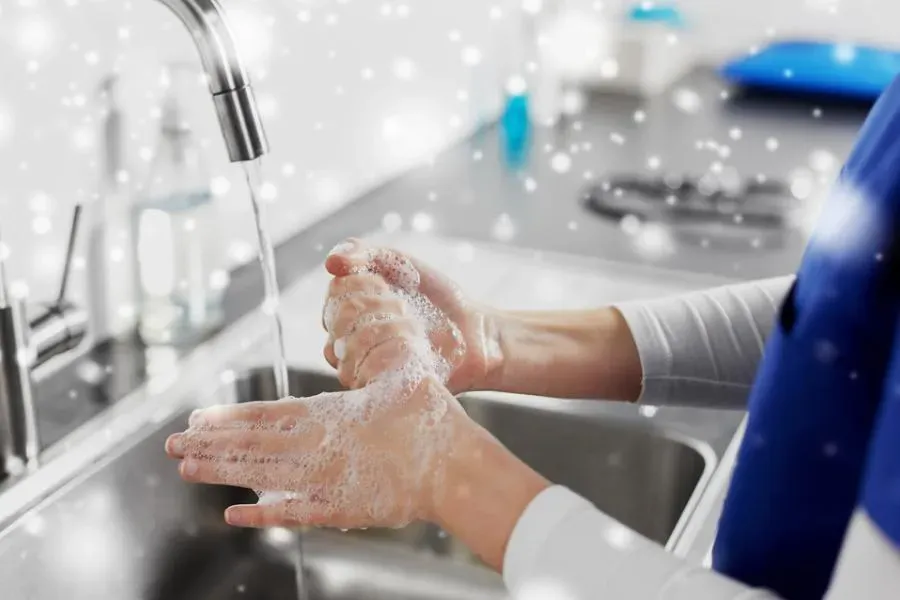
To wash hands properly, first wet them with clean running water and apply soap. Then rub the palms together and carefully clean the backs of the hands, between the fingers and underneath the nails. This process should take at least 20 seconds. Rinse the hands thoroughly under running water and dry them with a clean towel or an air dryer. Washing only the palms is not enough, as microorganisms can also remain between the fingers and underneath the nails.
Particular attention should be paid to hand hygiene at certain times of the day.
It is important to wash hands after using the toilet, changing a child’s nappy, touching rubbish or animals, and before preparing food, during food preparation and before eating. Washing hands with soap is especially important after handling raw meat, poultry, fish and eggs, as it helps prevent foodborne infections. Cleaning knives, chopping boards and other kitchen equipment after contact with raw food is equally important.
Preventing intestinal infections requires not only handwashing but also proper food and water hygiene. Using contaminated water, failing to wash fruit and vegetables thoroughly, and storing food at inappropriate temperatures can all contribute to the spread of microorganisms. It is therefore essential to ensure that drinking water is safe, cook food thoroughly, keep raw and cooked products separate, and clean kitchen surfaces regularly. Applying these measures together reduces the likelihood of foodborne infections.
Hand hygiene is particularly important for children. During play, children touch various surfaces and frequently put their hands in their mouths, increasing their risk of exposure to disease-causing organisms. Teaching children proper handwashing habits from an early age is therefore essential. Parents and teachers should encourage children to wash their hands after using the toilet, before meals and after playing outdoors. Ensuring access to soap and clean water in schools and childcare facilities also helps prevent the spread of infections.
When soap and water are unavailable, hand sanitisers containing at least 60% alcohol can be used. However, these products do not replace washing with soap and water when hands are visibly dirty or greasy. In addition, some hand sanitisers may have limited effectiveness against certain pathogens that cause intestinal infections. For this reason, washing hands with soap and running water is preferable, especially after using the toilet and before preparing food.
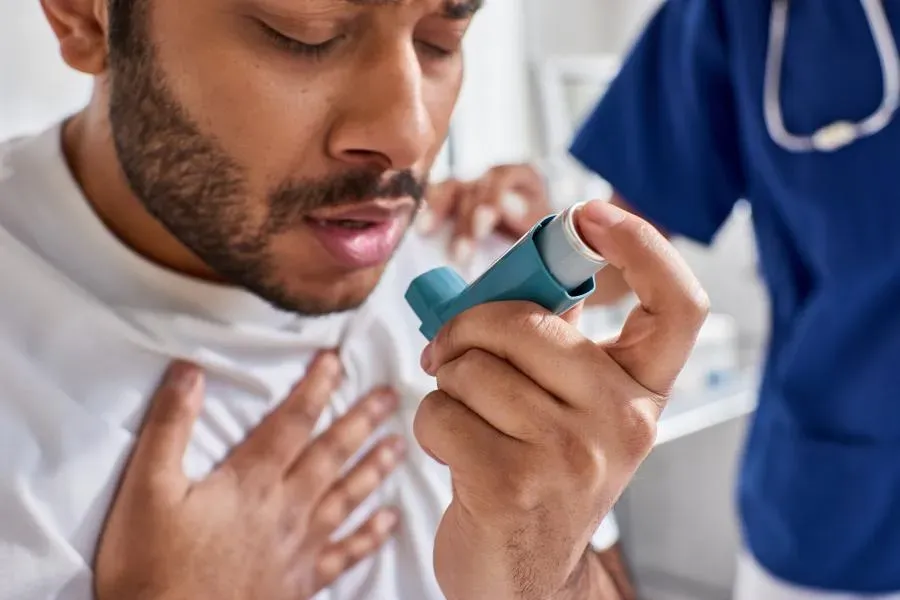
The main symptoms of intestinal infections include diarrhoea, abdominal pain, nausea, vomiting and, in some cases, fever.
Diarrhoea and vomiting can cause the body to lose substantial amounts of fluid, potentially leading to dehydration. Dry mouth, reduced urination, severe weakness and dizziness may be signs of dehydration. This condition can be particularly dangerous for infants, young children and older adults. Medical attention should be sought if severe symptoms occur.
In conclusion, proper handwashing is a simple, accessible and scientifically supported preventive measure that plays an important role in reducing intestinal infections. Washing hands with soap for at least 20 seconds, paying attention to food and water safety, maintaining kitchen cleanliness and teaching children good hygiene habits can all help reduce the risk of infection. Making these practices part of everyday life contributes both to protecting individual health and to limiting the spread of infections throughout society.
Aysel Matlab