
How did hard-line clerical circles try to undermine the Great Turan project behind the scenes?
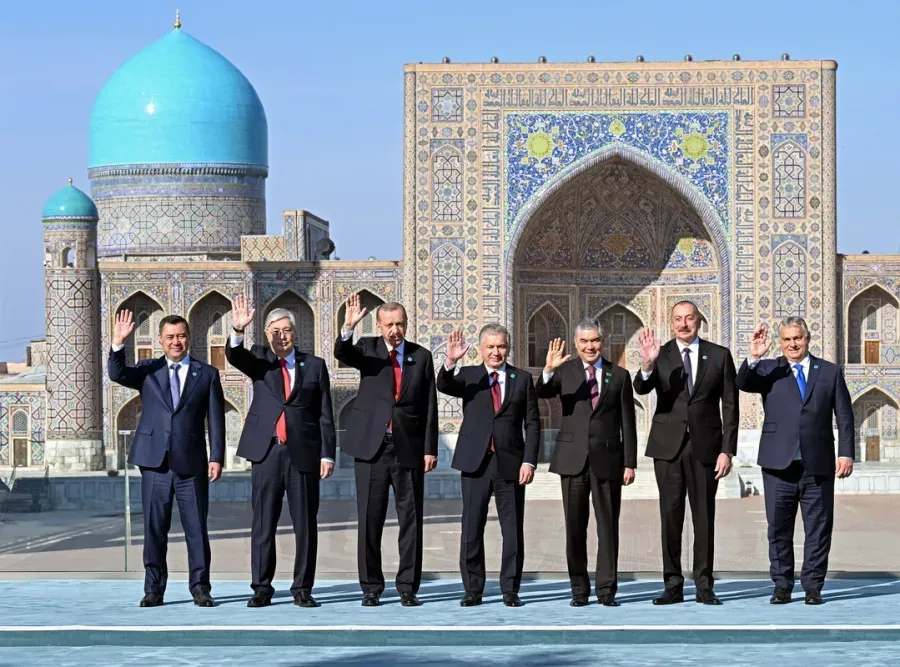
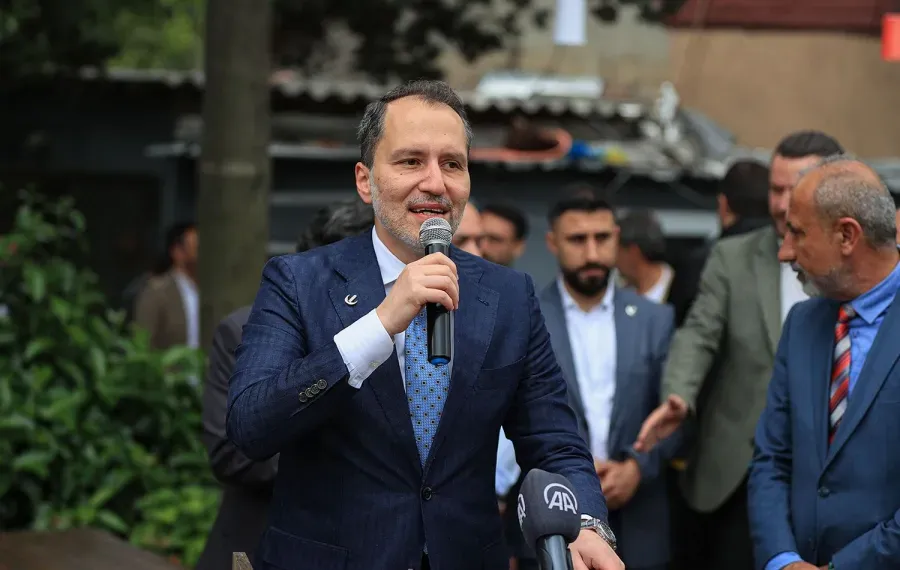
As the Organization of Turkic States (OTS) summit scheduled to take place in Turkey on October 29–30 approaches, various hybrid means of influence are reportedly being used by regional and global actors concerned about the Turkic world emerging as a unified centre of power.
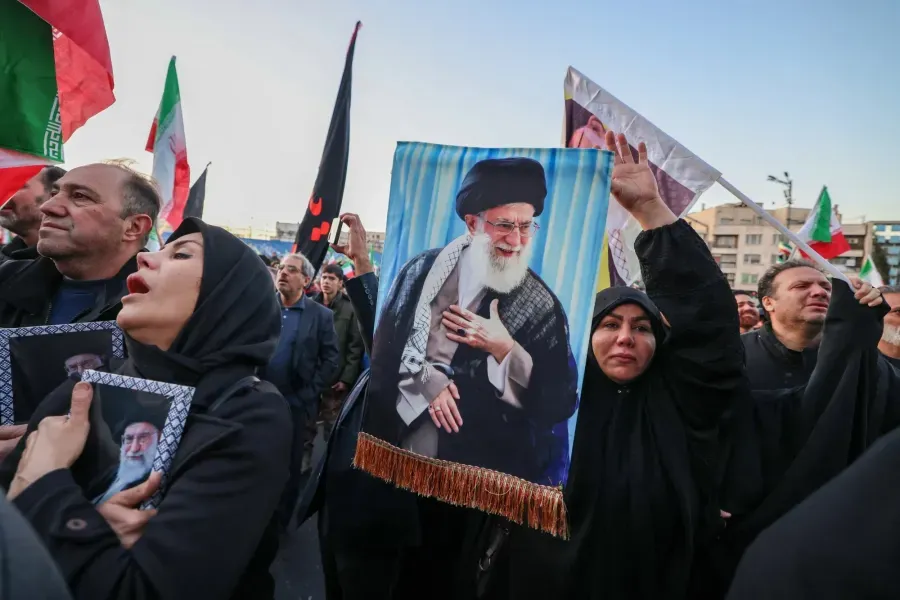
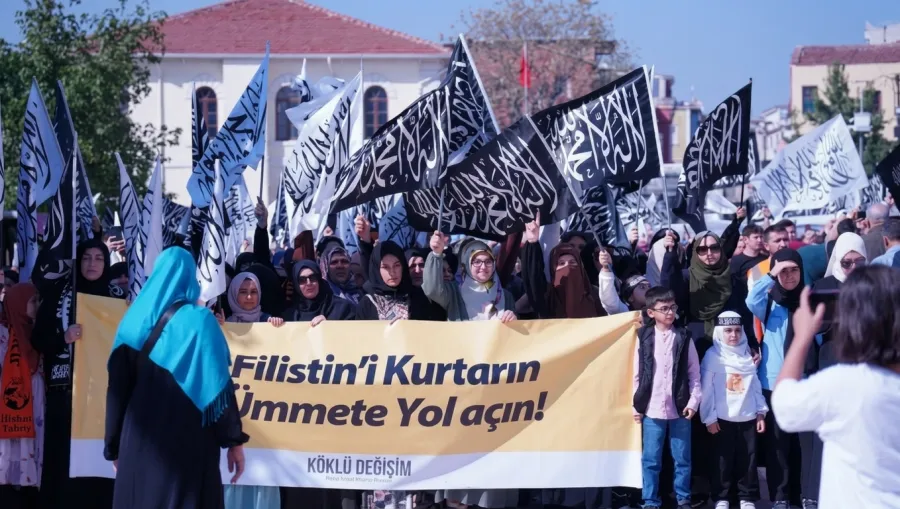
Tensions artificially stirred up around religious issues with social sensitivities, including headscarves in primary schools and school uniform policies, are not fundamentally about protecting moral values. The main objective, according to this analysis, is to target the Baku–Ankara axis and the secular and sovereign foundations of Turkic unity, as well as to undermine domestic stability ahead of the summit.
Behind the scenes of religious exploitation and provocations
When certain incidents presented to the public as matters of “religious rights” or “freedom of dress” are examined, their alleged political dimension becomes apparent. These include cases such as the Betül Soyan affair, reportedly accompanied by financial interests, attempts to gain influence and the misuse of religious symbols.
Turning religious symbols into tools of political intrigue: Attempts to mislead public opinion, target uniform dress codes—particularly in educational institutions—and radicalise society while activating radical religious orders and community networks are among the visible aspects of this process.
The intentions of external centres of influence: The stated objective of radical structures seeking to establish a foothold in Turkey and Azerbaijan, allegedly under the influence of various foreign centres—including Iran’s theocratic circles, separatist and radical networks, and certain foreign intelligence branches—is to undermine the secular foundations of the state.
A secular Turkic union is the strongest shield against radicalism and theocracy
All member states of the Organization of Turkic States—Azerbaijan, Turkey, Kazakhstan, Uzbekistan and Kyrgyzstan—are modern states governed by law whose constitutions uphold the principle of secularism.
Turkic unity is based not on theocratic or radical ideologies, but on national identity, secular traditions of statehood, science and shared geostrategic interests. For this very reason, regional powers advancing theocratic claims and radical religious networks view the development of a secular Turkic union as a direct threat to their ideological existence.
The Karabakh victory and the failure of political manoeuvres
Azerbaijan’s historic victory in the Patriotic War and its local anti-terrorist measures dismantled the status quo that had persisted in the South Caucasus for decades, along with established levers of foreign influence.
This victory was achieved through national unity, the professionalism of the armed forces and the will of the state. It was built not on personal interests, special privileges or internal intrigues, but on securing national justice and fully restoring sovereignty.
Forces that had supported separatism and occupation in the region for years were compelled to accept the new reality established by Baku.
Those unable to defeat the Azerbaijan–Turkey alliance on the battlefield or through diplomacy are now allegedly attempting to sabotage it from within by exploiting radical religious rhetoric, social discontent and artificially manufactured controversies.
Why is the October 29–30 summit allegedly being targeted for disruption?
The summit is expected to see further progress in deepening joint security mechanisms and military-industrial cooperation.
The strengthening of the East–West transport corridor under the greater influence of the Turkic world is reducing the monopoly of other geopolitical centres in the region.
The escalation of religious and social issues in the media and on social networks in both Turkey and Azerbaijan just days before the summit is portrayed in this analysis as an attempt to slow this major integration process and cast a shadow over the strong unity between the two countries.
Azerbaijan and Turkey, together with the wider Turkic world, have chosen their path:
Our side stands for a TURKIC, SECULAR and MODERN model of statehood. Provocations by radical sects, foreign intelligence networks and separatist platforms operating under the guise of religion will not be able to halt the historic significance of the October 29–30 summit or the rise of Turkic unity.
Jala Rovshan