
Can Trump oust Zelenskyy? – Analyst weighs in
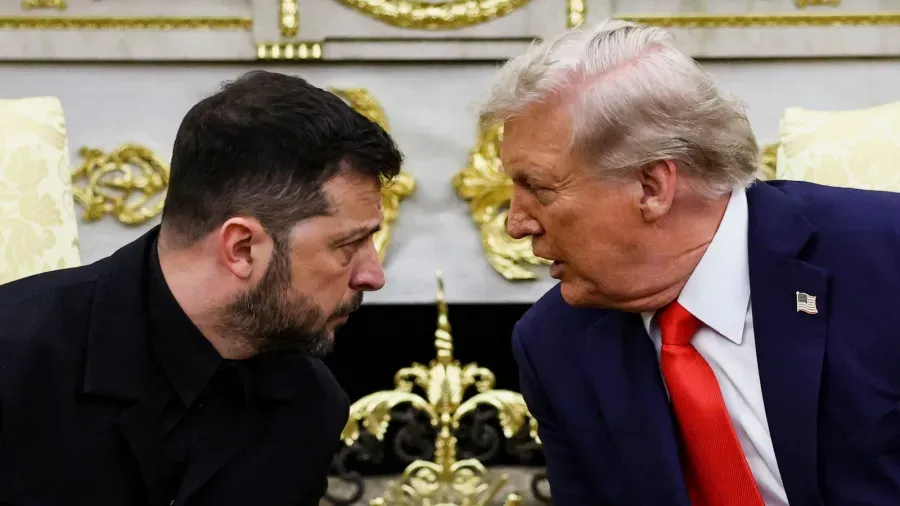
Tensions between US President Donald Trump and Ukrainian President Volodymyr Zelenskyy have escalated sharply in recent weeks. Trump has accused Ukraine’s leadership, and Zelenskyy personally, of failing to do enough to end the war and reach a peace agreement.
In his latest statements, Trump has particularly criticised Ukraine’s strikes on Russian oil refineries, arguing that the attacks have driven up global fuel, including diesel, prices. He has openly declared that “it is time for a new president and leadership” in Ukraine. Zelenskyy, in response, has stressed that only the Ukrainian people can elect their country’s leader.
The question arises: how could this affect the course of the war? Will Zelenskyy leave office?
Political analyst Elchin Khalidbeyli has discussed the issue with TodayPress TV.
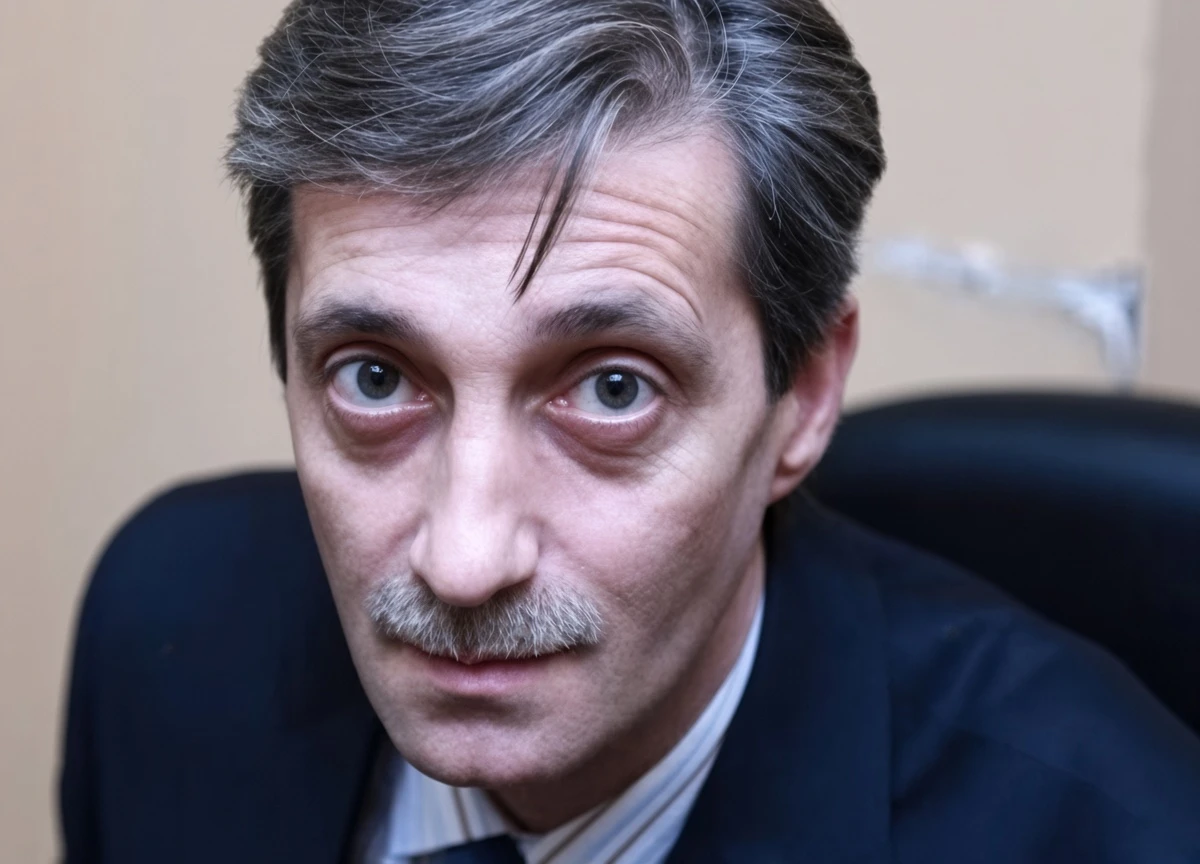
He said the main reason for Trump’s tough stance towards Zelenskyy was his alleged effort to reach an understanding with Russian President Vladimir Putin.
“Trump wants diesel fuel from Russia. The United States is currently facing a diesel crisis. Ahead of the midterm elections, Trump is trying to ease this crisis to some extent and shift the election results in favour of the Republicans. That is why he wants large volumes of diesel fuel to be exported from Russia to the United States and global markets.
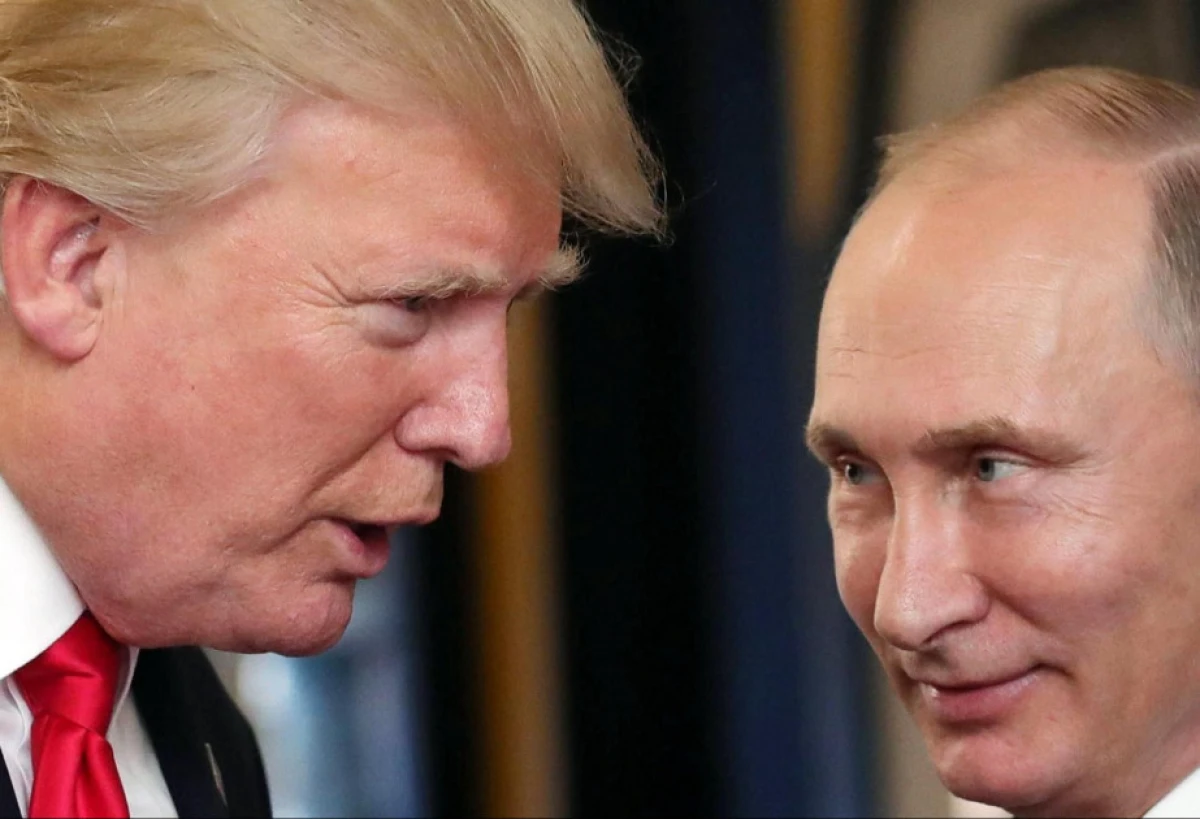
“Of course, Putin also has certain demands in return. It appears that these demands include Zelenskyy’s departure from office and the incorporation of Ukraine’s occupied territories into Russia. That is why Trump has once again persistently raised the issue of Zelenskyy leaving power. Previously, after an understanding between Trump and Putin, the United States also adopted a tough stance towards Zelenskyy and even demanded that he step down. The same process is now being repeated.”
According to the analyst, there is also a considerable likelihood that Trump’s latest understanding with Putin will fall apart.
“First, holding elections in Ukraine is currently impossible. The Verkhovna Rada of Ukraine adopted a decision on this issue several months ago, providing for elections not to be held during wartime. For elections to take place, the parliament would have to amend its decision. However, there are currently no signs that this will happen, and the prospect appears unlikely.
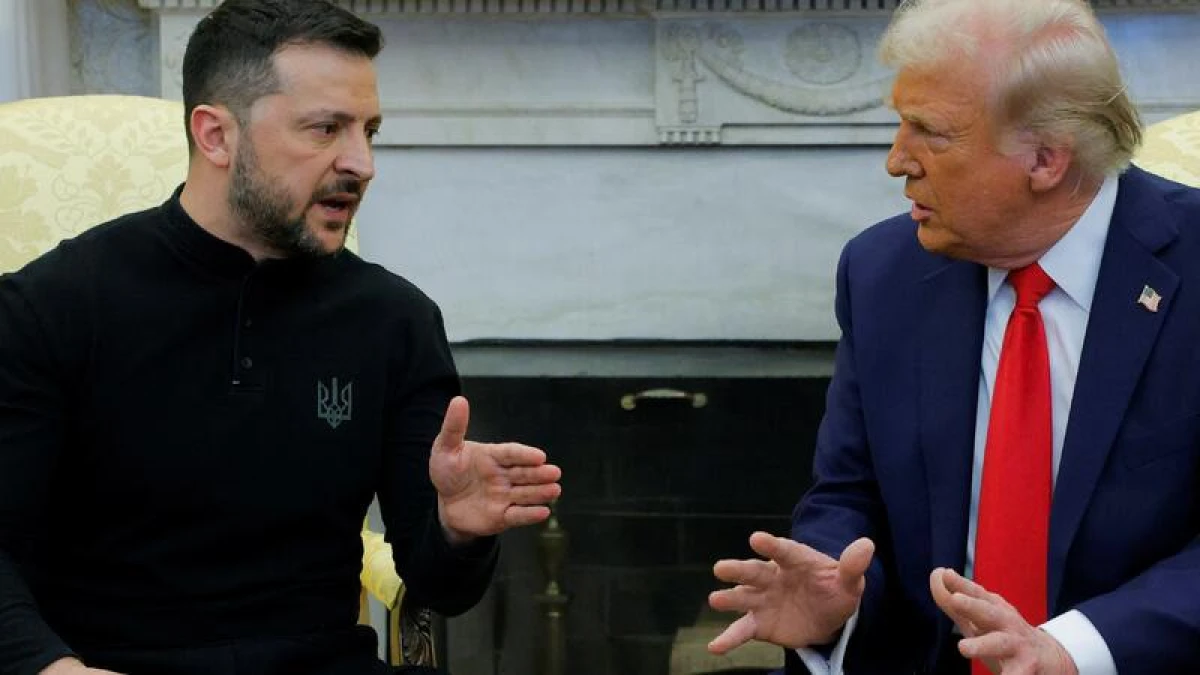
“On the other hand, Zelenskyy has made an interesting and calculated move to avoid further straining relations with the United States by proposing an election scenario that would be difficult to implement. Specifically, he has proposed that Russia agree to a six-day ceasefire and that elections be held in Ukraine during that period. Zelenskyy knew in advance that Russia would not accept this proposal under any circumstances and that a six-day ceasefire would be impossible to secure.
“Statements from the Kremlin also point in this direction. Kremlin spokesperson Dmitry Peskov has said that a six-day ceasefire is impossible. According to him, Ukraine could use that period to rebuild its forces. Peskov noted that if a ceasefire were being considered, Russia could declare a ceasefire lasting just one day in connection with the elections. In other words, attacks against Ukraine could be suspended on election day.
“Thus, Russia has rejected this proposal, leaving the US demand for elections in Ukraine at an impasse. Trump is now facing a second problem. If he genuinely wants Zelenskyy to leave office, he must also secure Russia’s acceptance of the option proposed by Zelenskyy. Otherwise, elections will not be possible. Elections must follow specific procedures. It is not possible for a president to resign and a new president to be elected within a single day.”
The analyst believes Trump’s latest plan concerning Ukraine is also on the verge of failing. He added that Trump’s growing rapprochement with Russia is causing serious concern among European countries.
“European countries consider Russia the most serious military threat to the continent following the war in Ukraine and are already preparing for a possible conflict with Russia.
“Therefore, it can be assumed that the European Union, or European countries more broadly, will attempt to undermine this latest understanding between Trump and Putin as well. After the midterm elections in the United States, the confrontation between the parties could take new directions.”
Jala Rovshan