
Turkey has unleashed Palestinian groups against Azerbaijan
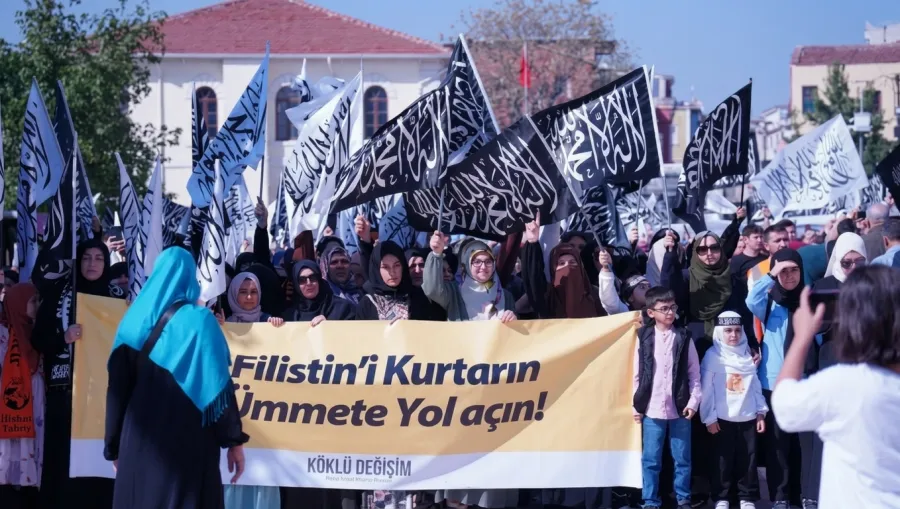
The recent protests outside the Azerbaijani Embassy in Ankara are the visible side of a much larger game rooted in deep ideological foundations and dangerous plans.
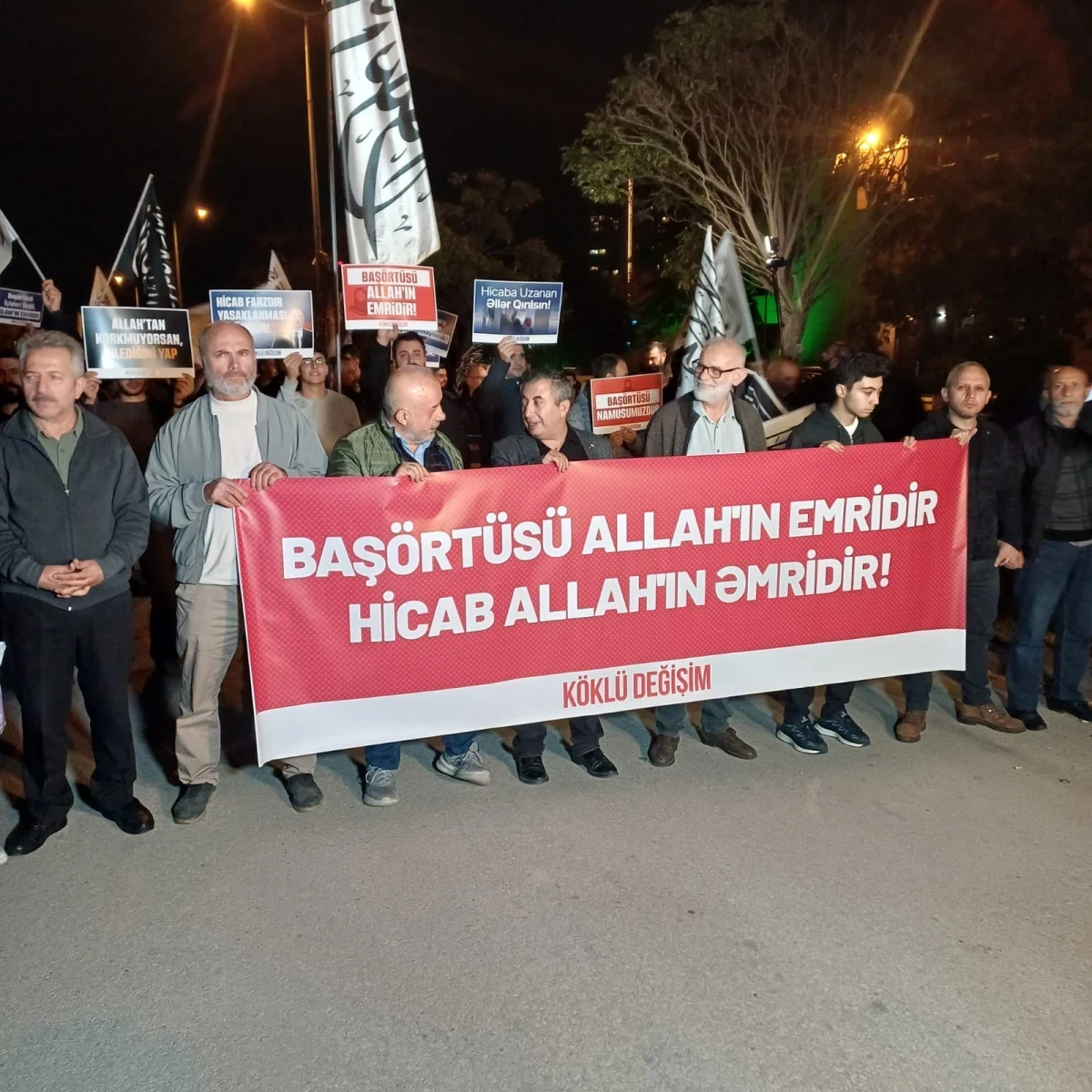
Although the protesters may appear to be ordinary people taking to the streets and chanting slogans in response to regional developments, they are, in fact, representatives of a radical network operating in Turkey under the name “Köklü Değişim”. Who is the group behind this movement, which has become a source of covert threats to Turkey and the region?
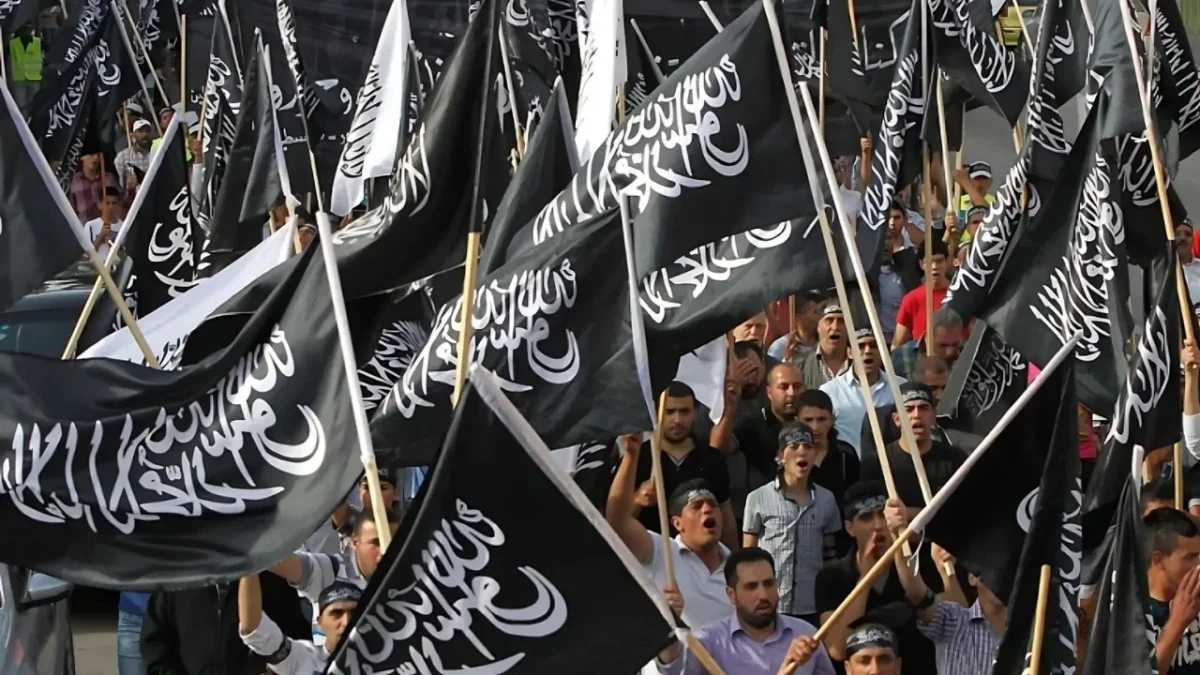
According to information obtained by TodayPress TV, behind this organised structure stands Hizb ut-Tahrir, an Islamist organisation whose ideological foundations were laid in Palestine in 1953 by Taqi al-Din al-Nabhani. The organisation’s primary goal is to abolish modern Muslim states, their national borders and secular systems of governance in order to restore a single global Islamic caliphate. Although it presents itself as a political movement, it fundamentally rejects democracy, parliamentary systems and popular sovereignty, dismissing them as forms of “Western disbelief”.
The organisation’s strategy for seizing power is based on a dangerous three-stage plan. First, it conducts propaganda and recruits members through clandestine cells. It then gradually radicalises society and, finally, seeks to overthrow the government of a Muslim country by securing the support of the military or security forces. Once a foothold has been established in the East, the “domino effect” strategy is supposed to come into play. In other words, the newly established caliphate would seek to bring other Muslim states under its control through pressure, threats or internal unrest. Consider the scenario…
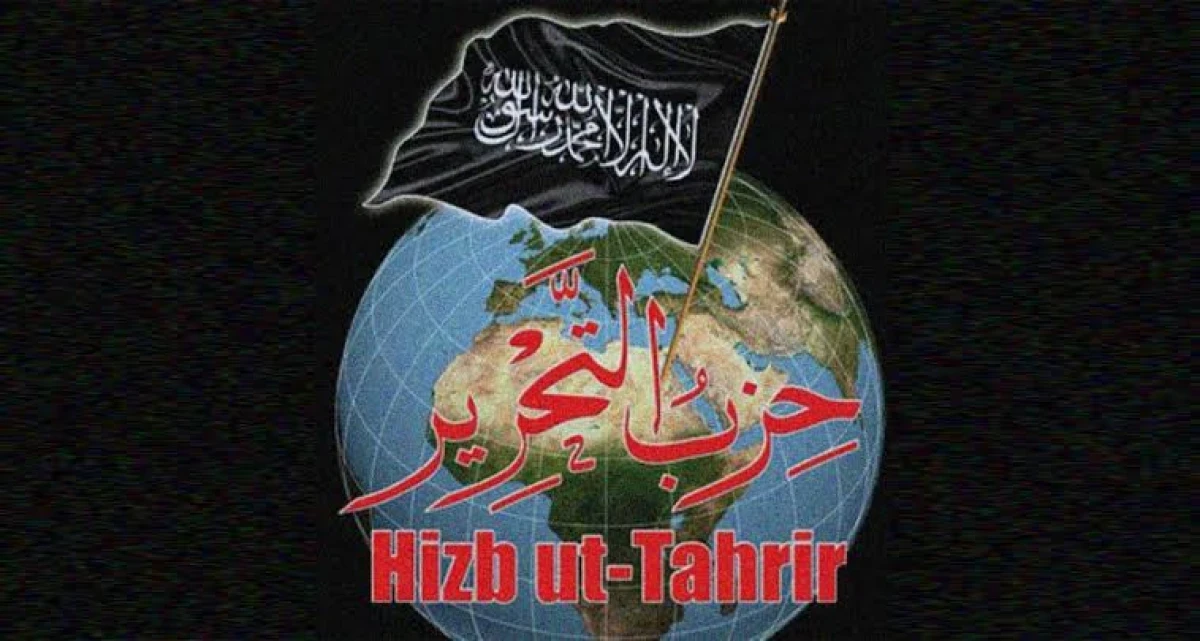
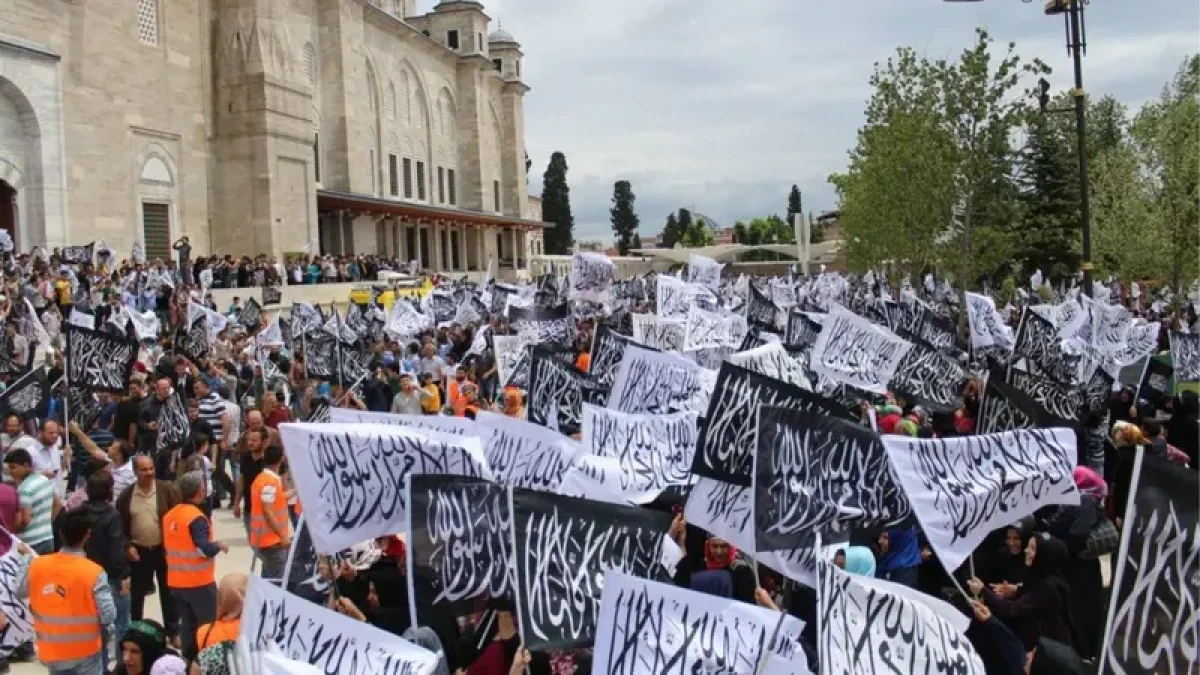
The rally in Ankara is not the group’s first such move. Hizb ut-Tahrir is known for organising similar provocative protests and demonstrations in many countries where it operates.
The organisation has held mass rallies involving thousands of people in Ramallah and Amman against local authorities, as well as in Jakarta and Pakistan against the policies of Western countries and their embassies. During the conflict in Syria, the group also organised anti-regime demonstrations in cities such as Aleppo. In Europe — including London, Brussels, outside NATO and EU buildings, Copenhagen and Berlin — as well as in US cities such as Chicago, it has voiced its ideological demands under the banner of protests against foreign policy. Its strategy is straightforward: wherever geopolitical tensions or conflicts emerge, it appears and stages demonstrations outside embassies and government buildings to spread its propaganda.
Although Hizb ut-Tahrir claims on paper that it does not engage in armed struggle, it has been accused of spreading radical ideology, creating an ideological breeding ground for terrorist networks and undermining the foundations of statehood. For this reason, its activities have been banned in a number of Arab and Muslim countries, including Egypt, Jordan, Saudi Arabia, the Central Asian republics and Pakistan. Germany, the United Kingdom and Russia have also imposed various legal restrictions on the group.
Operating in Turkey since the 1960s, the organisation has faced pressure from law enforcement agencies at various times. Today, however, it seeks to project an image of lawful activity through its “Köklü Değişim” magazine and the platform of the same name. At its rallies, the group not only targets foreign countries but also openly accuses the Turkish government of “deviating from Sharia” and embracing “secularism”.
The organisation’s “Caliphate Constitution” — yes, you read that correctly, a “Caliphate Constitution” — and its other ideological publications stand in stark contradiction to modern human rights and secular values. These documents provide for the execution of apostates and people who criticise religion. As for women’s rights, the organisation adopts an extremely patriarchal and radical position, advocating the absolute authority of men within the family and, in certain circumstances, justifying domestic violence as a means of “discipline”.
The latest events in Ankara indicate that this Islamist network, whose roots lie in Palestine, is seeking to exploit regional geopolitical developments to cast a shadow over the brotherly relations between Turkey and Azerbaijan and their secular model of statehood, while promoting its radical caliphate agenda in public opinion.

Once again, a small spark has become a source of hope for groups serving fantastical radical ideals.
Jala Rovshan