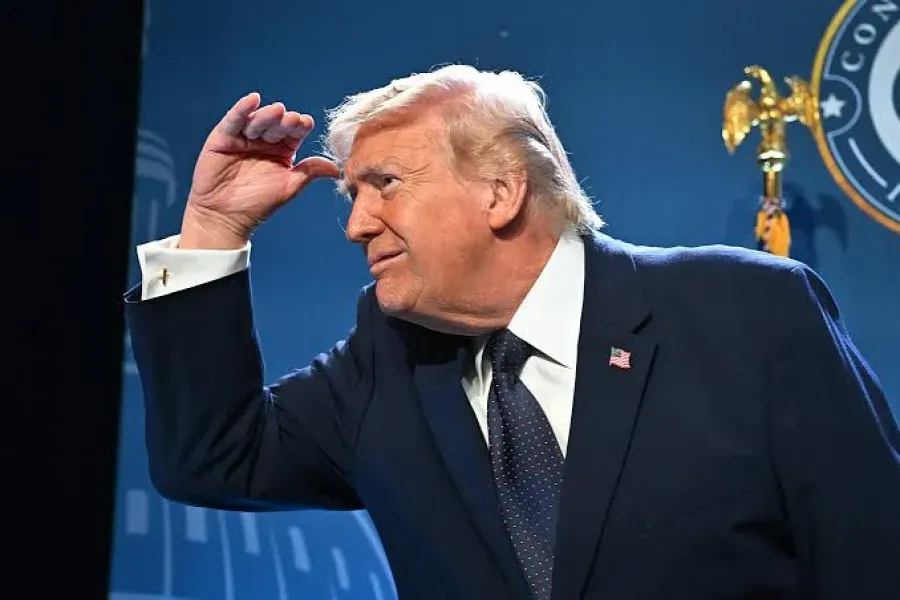

Trump’s ambitions fail to materialise: Democrats deliver a “cold shower”
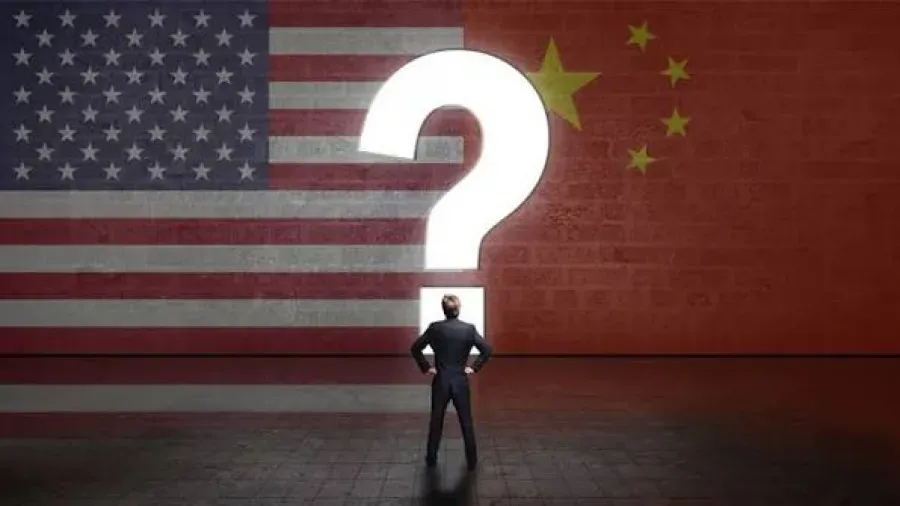
The results of the US midterm elections are creating a new political landscape for the country’s relations with China.
The Democrats’ strengthening position in Congress could increase their ability to influence the foreign policy decisions of Donald Trump’s administration. In particular, the White House may face greater congressional pressure over trade and economic relations with China.
Nevertheless, it seems unlikely that Washington will change its tough stance towards Beijing. Strategic competition with China is one of the few foreign policy issues on which Republicans and Democrats share common ground. Both parties regard the growth of China’s economic and geopolitical power as a serious challenge to US interests. Therefore, a shift in the congressional majority may affect not the nature of the rivalry, but rather the way it is conducted.
On the other hand, growing disagreements between Congress and the White House could push the Trump administration to resort to alternative mechanisms. Facing obstacles in the legislative process, the president’s administration may prefer to bypass Congress and pursue initiatives concerning China through executive orders. This could further intensify political tensions in Washington’s policy towards Beijing.
The Democrats’ victory may serve less as a catalyst for a new strategic shift in US-China relations and more as a political factor restricting Trump’s room for manoeuvre. Washington’s rivalry with Beijing will continue, but its pace, instruments and decision-making process may change.
Jala Rovshan