How will Trump get out of the “lame duck” situation? – ANALYSIS
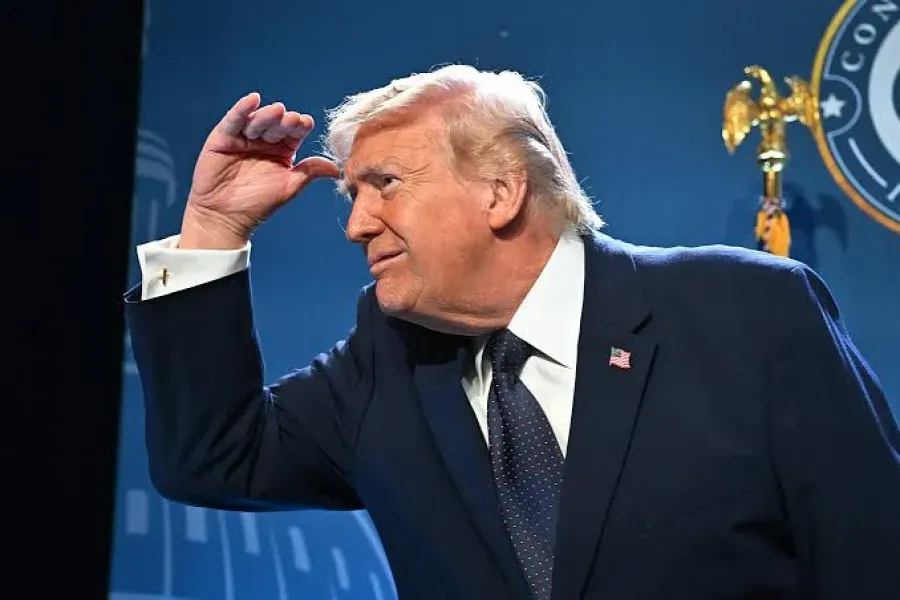
The Democrats’ securing a majority in both chambers of Congress in the US midterm elections increases the likelihood that the Donald Trump administration will face serious political obstacles in both domestic and foreign policy. Against this backdrop, could Trump effectively become a “lame duck” president? What steps could he take under either outcome – a Democratic or Republican victory? In particular, what changes can be expected in Washington’s policy on Iran?
Commenting on the issue in an interview with TodayPress TV, political analyst Yusif Bagirzade said that a Democratic majority in both chambers of Congress could limit Trump’s political room for manoeuvre:

“In American political terminology, the term ‘lame duck’ refers to a president who remains in office but whose political influence and ability to implement decisions have weakened. If Democrats take control of both chambers of Congress, Trump’s legislative initiatives, budget policy and personnel appointments will become more difficult to advance. A Democratic majority in the Senate, in particular, would give them greater influence over the confirmation of the administration’s nominees for judicial and senior government positions. Nevertheless, it would be inaccurate to say that Trump would become completely paralysed politically. The president retains extensive powers in foreign policy, diplomatic negotiations and as commander-in-chief of the armed forces. He also has the authority to veto legislation passed by Congress.”
Our interviewee stressed that Iran could become one of the main points of confrontation between the White House and Congress:
“The Iran issue could become one of the most sensitive fronts in this political confrontation. The Democrats’ criticism during the election campaign of the economic and humanitarian consequences of the war with Iran suggests that the new Congress will scrutinise military funding and the administration’s decisions more closely. In other words, Trump’s ability to continue the war with Iran will come under greater political and financial scrutiny. Democrats may seek to investigate the legal basis, costs and consequences of military operations, block additional funding and push the administration towards a diplomatic solution.
“In this situation, Trump will have two options: either reach an agreement with Tehran to ease domestic political pressure, prevent energy prices from rising and protect his political standing, or resort to military pressure, taking into account that the Democrats’ new powers in Congress will not take effect until January 2027. In other words, during the transition period ahead, Trump’s military and diplomatic decision-making powers will remain as they are for now.”
The political analyst noted that a Republican victory would have given the White House greater scope for action:
“Undoubtedly, Republicans retaining their majorities in both chambers would have created a completely different situation. Such an outcome would have been presented as additional political backing from voters for Trump’s policies. In that case, the White House would have had more favourable conditions within Congress to use military and economic pressure against Iran. However, that did not happen, and the question of Trump becoming a ‘lame duck’ has now come to the fore. In the period ahead, whether he wants to or not, Trump will have to seek compromises with the Democrats.”
Jala Rovshan