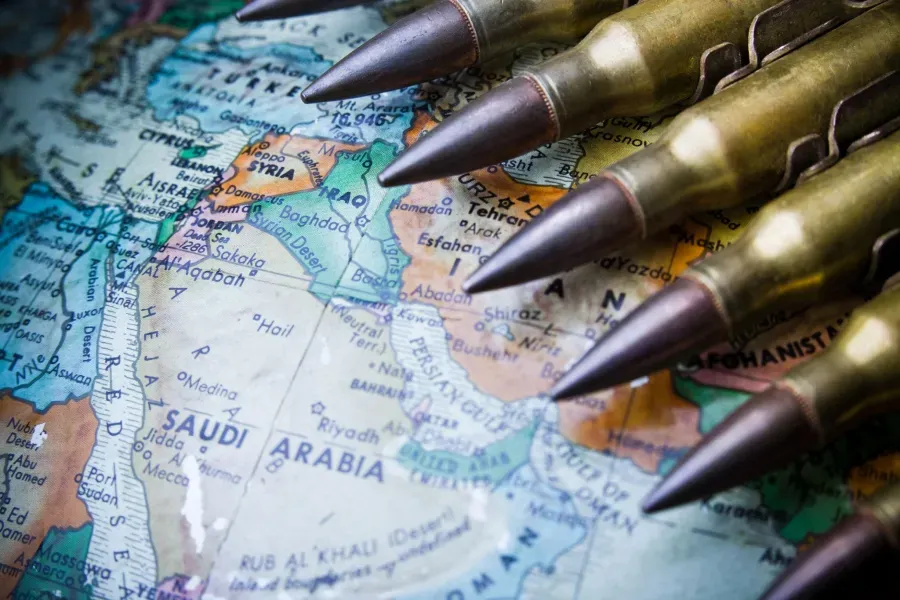

Iran has lost its last opportunity: Left with the Strait of Hormuz
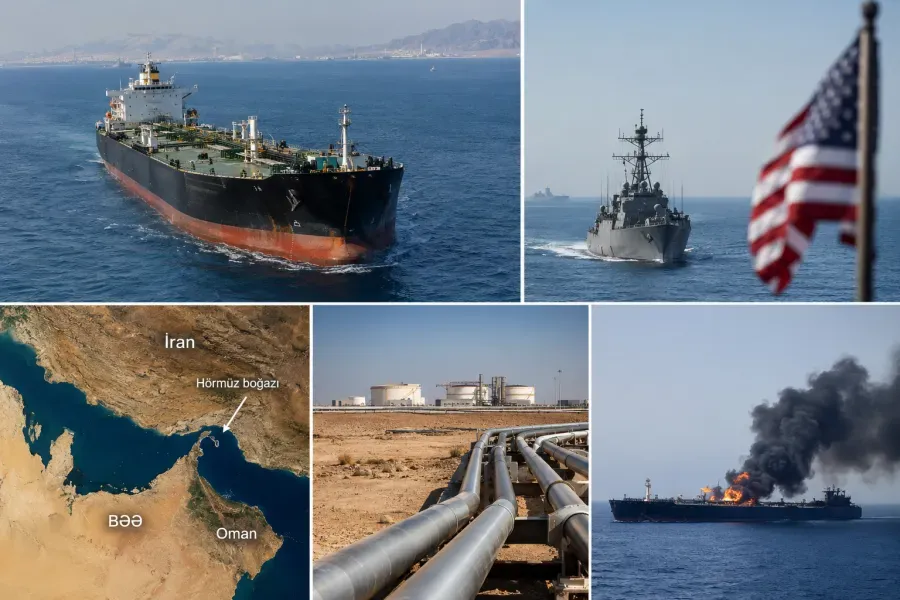
According to data from Kpler, the Persian Gulf region exported 24 million barrels of oil per day in the week ending October 18.
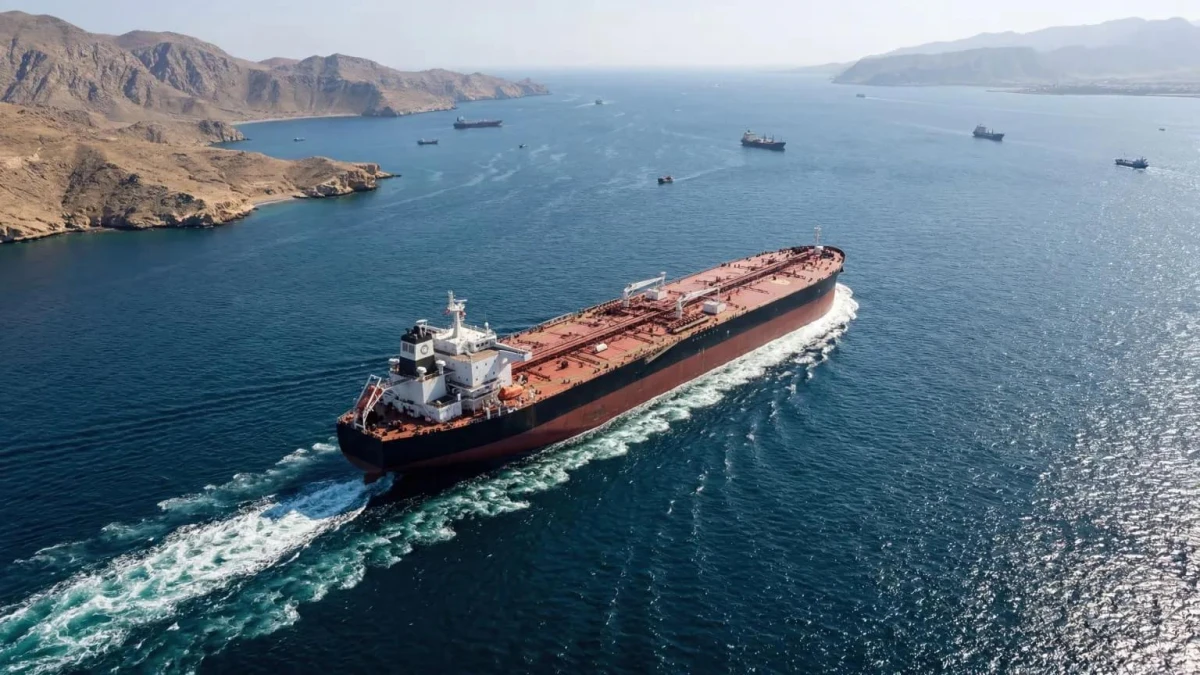
Before the war, the figure stood at 23.3 million barrels per day. Despite continued attacks on vessels, oil shipments through the Strait of Hormuz have recovered to 82% of normal levels.
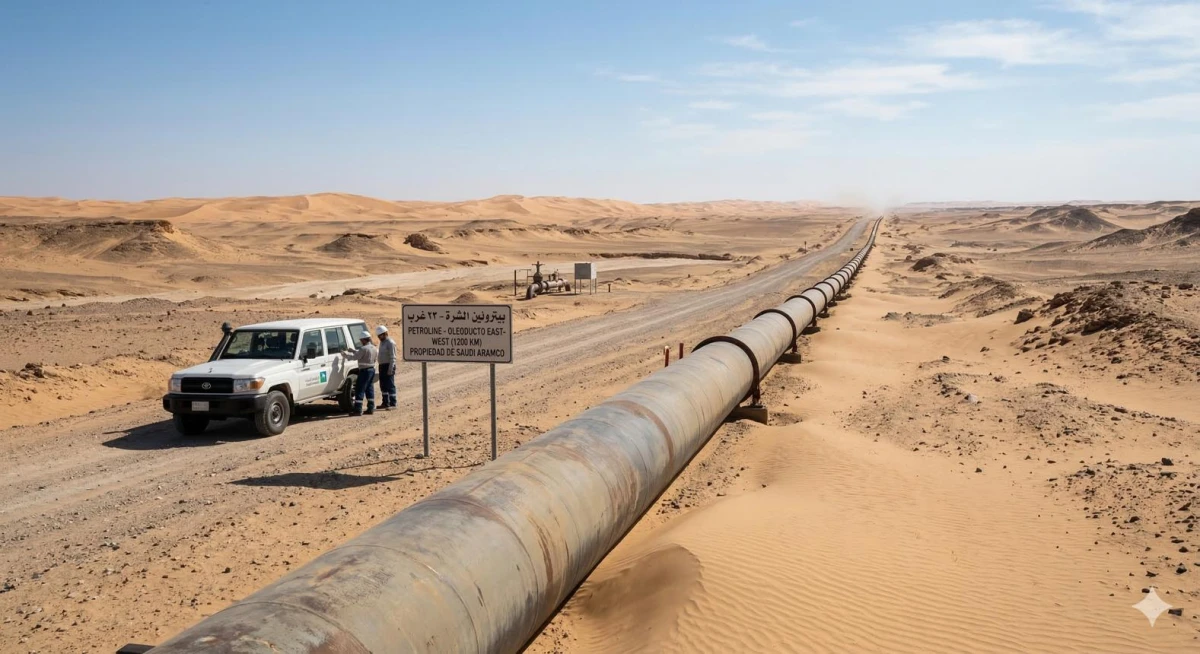
The figures suggest that Iran’s ability to exert pressure on global energy markets through the Strait of Hormuz is weakening. Saudi Arabia and the United Arab Emirates have increased their use of alternative routes, reducing their dependence on the strait. Their pipelines now carry 40% of crude oil exports from Persian Gulf countries other than Iran, compared with 17% in February.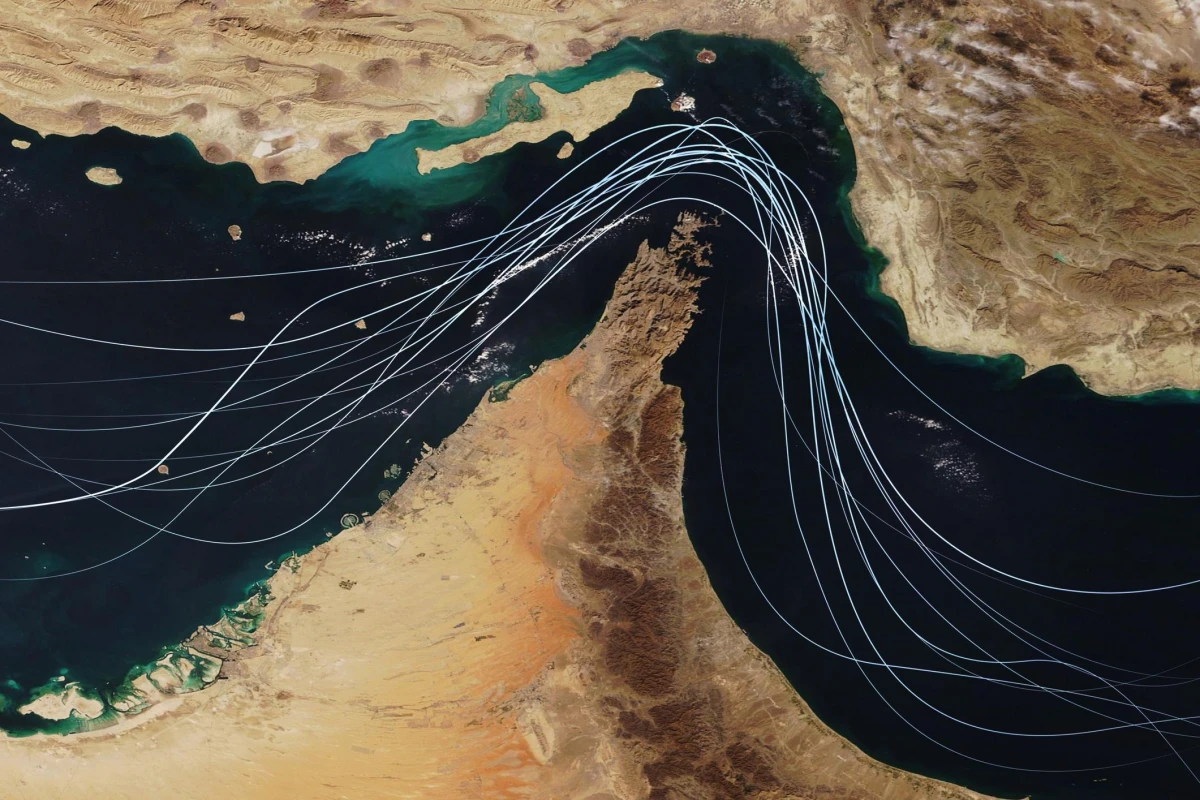
Iran’s own oil exports, meanwhile, have been restricted by the US blockade. As a result, Tehran is threatening other countries’ oil shipments while its own export capabilities are also facing significant pressure.
Although oil shipments continue, the cost and risks of transporting them have risen sharply. According to reports, some tankers are switching off their tracking systems as they leave the Persian Gulf and transferring oil to other vessels in the Gulf of Oman.
To undertake these risky voyages, seafarers are reportedly being offered triple salaries or bonuses of $25,000 for a single round trip.
Shipping costs for supertankers travelling to China have surged to a record $37 per barrel. War-risk insurance premiums for vessels have also risen from less than 3% of their value to 10%. One tanker reportedly struck by a rocket-propelled projectile last week was carrying two million barrels of Iraqi crude oil.
The US Central Command (CENTCOM) has declared that the United States controls the Strait of Hormuz. Oil exports exceeding pre-war levels partly support Washington’s position. Nevertheless, Iranian attacks continue to make shipments dangerous and expensive.
The economic consequences of the crisis are becoming increasingly apparent, with Brent crude reaching $108 per barrel and petrol prices in the United States climbing to $6 per gallon.
The source also notes that US President Donald Trump’s public approval rating has fallen to 31%.
The key point is that the threat posed by Iran has not disappeared, but its attempt to create a global oil shortage has so far failed to deliver the expected results. Alternative pipelines and rerouted shipments have allowed oil flows to continue. Although Tehran has made passage through the strait more difficult, current figures suggest that its ability to influence global oil supplies is no longer what it once was.
Jala Rovshan