Exposing the activist who moved to Canada and calls on people in Baku to wear hijab
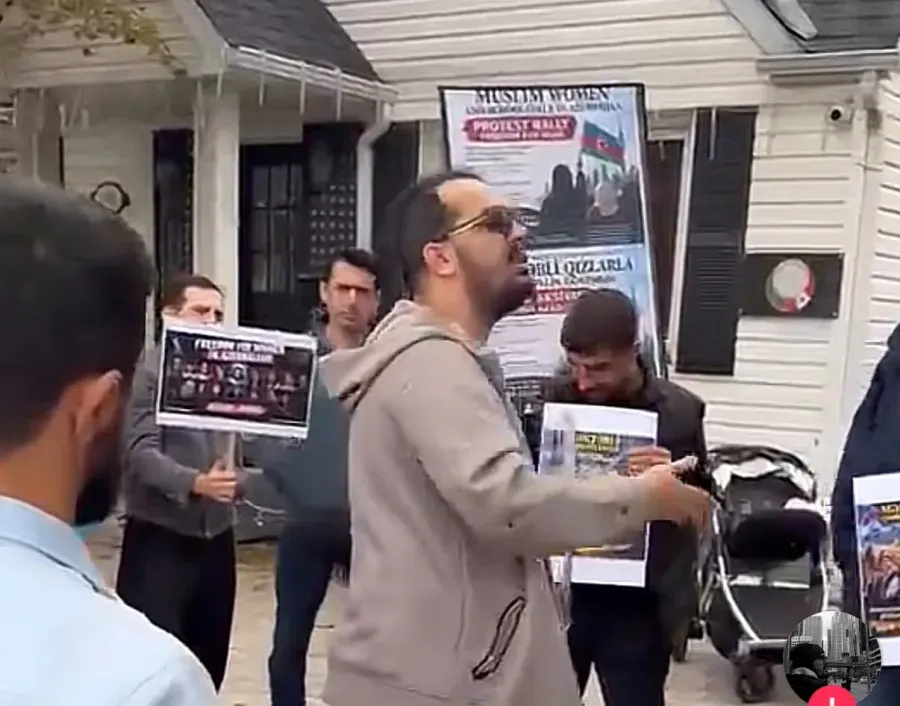
The boundaries of the information front have long since disappeared. Today, it is no longer necessary to be on the battlefield to target a state, a nation and its destiny. A few keystrokes, a comfortable refuge abroad and the execution of scenarios allegedly devised by foreign intelligence services can be enough.
Semral Guluzade, who praises Eastern theocracy while enjoying the comforts of the West and attempts to conceal his alleged true motives behind the banners of “freedom to wear hijab” and “religious rights”, is portrayed in this article as one of the most objectionable links in this network.
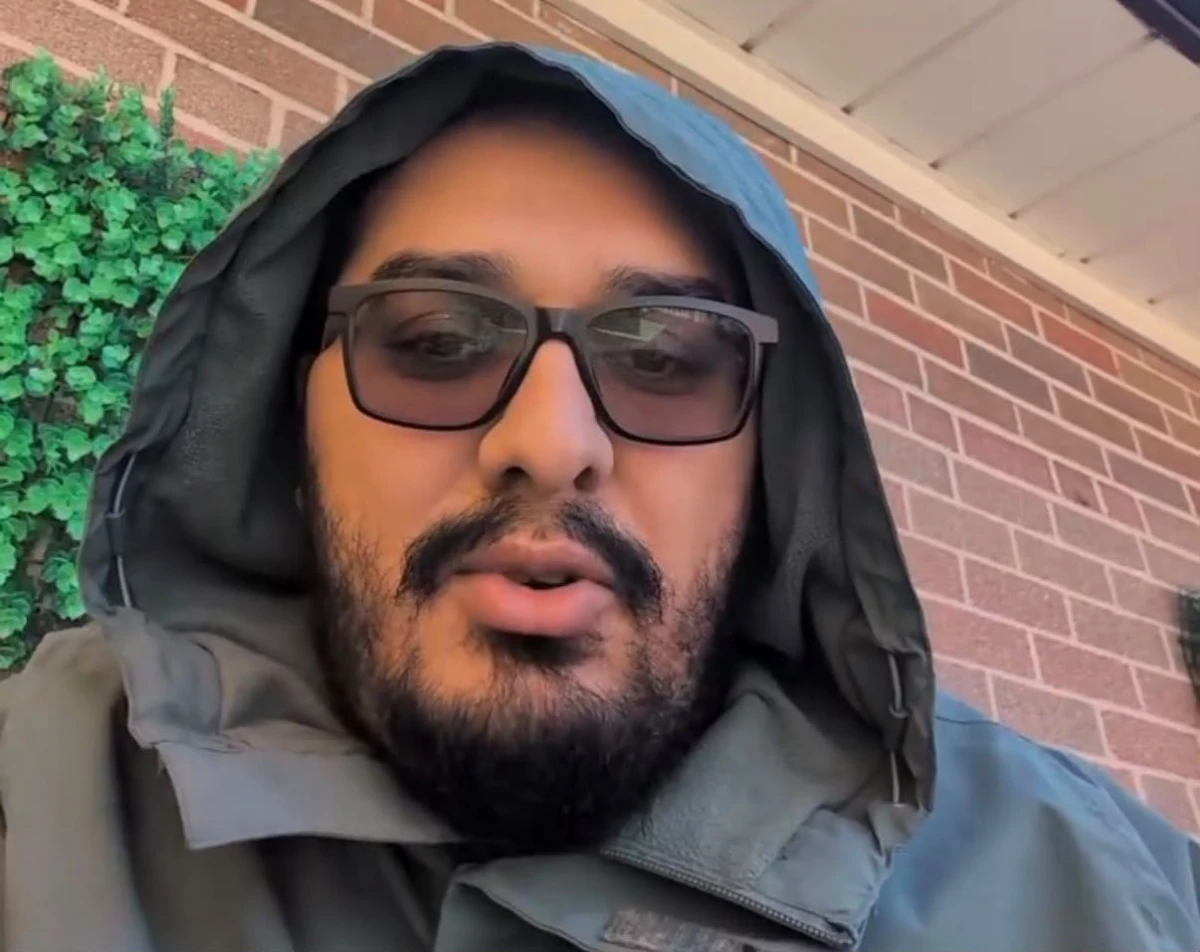
Having settled across the ocean with his wife, Ulviyya Karimli, Guluzade has sought to portray himself as an opposition figure abroad. However, the article accuses him of acting as an outspoken mouthpiece for Iran’s theocratic regime and groups such as Hezbollah.
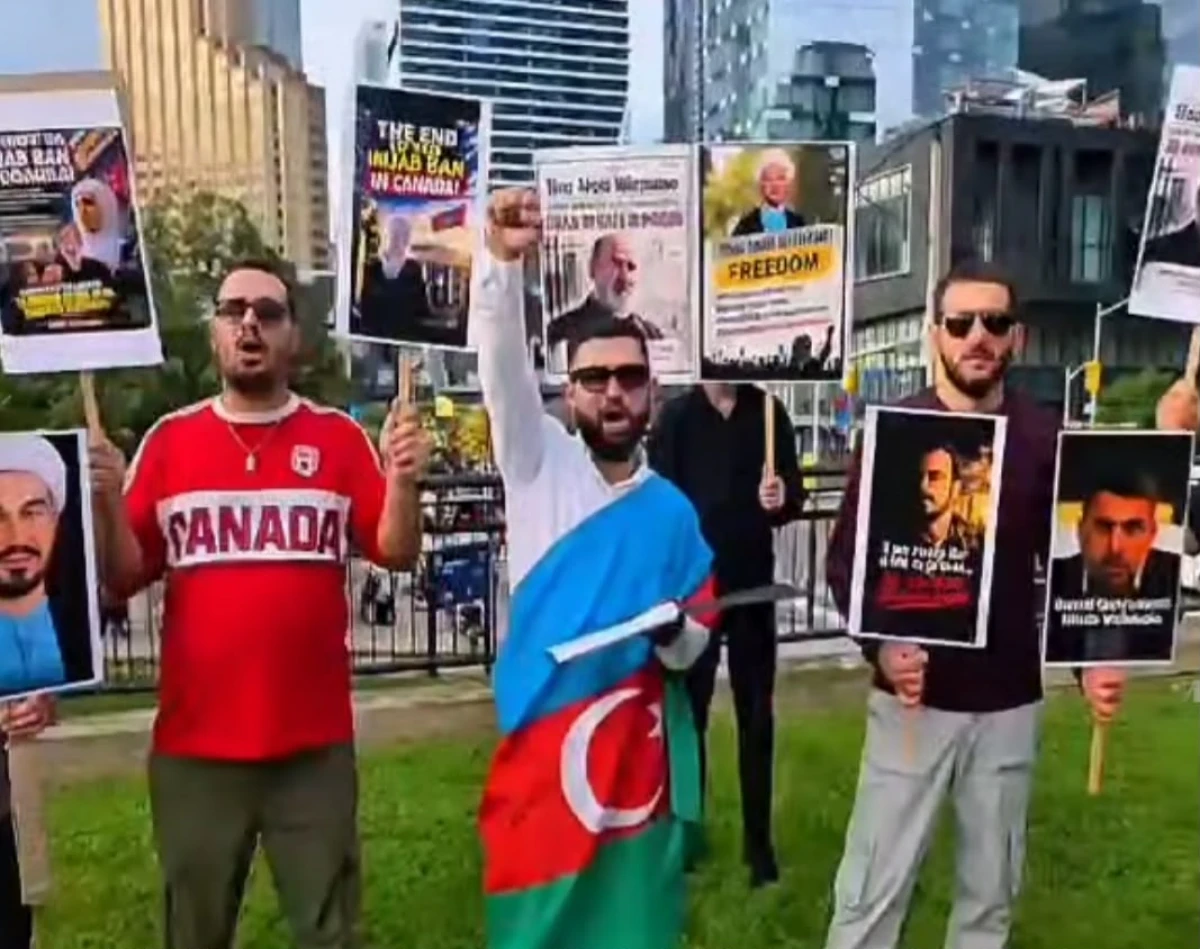
While his parents live peacefully alongside others in Azerbaijan, he organises protests against the authorities in Baku from distant Canada and, the author alleges, shows no hesitation in pursuing another country’s ideological agenda under the guise of religion.
Guluzade’s alleged activities go beyond what the article describes as his toxic social media posts. The author also points to a controversial episode in his past involving what is described as an attack on the nation’s collective memory and one of its most sacred values.
As readers may recall, several years ago, articles about Azerbaijani martyrs who sacrificed their lives for their homeland were reportedly deleted en masse from the Azerbaijani-language Wikipedia. The article alleges that Guluzade was responsible.
What kind of morality or conscience could justify attempting to erase the names of heroes who gave their lives for their country from the virtual record? According to the author, the incident prompted widespread protests by the martyrs’ families, who appealed to law enforcement agencies and the Supreme Commander-in-Chief.
The author claims that the matter came to light and that the individuals involved were exposed. More troubling, the article alleges, is that the Azerbaijani-language Wikipedia community remains effectively under the control of a group created by Guluzade.
The author further alleges that members of this group can interfere with the national encyclopaedia at will, falsify historical facts and undermine Azerbaijan’s information security.
The article also urges readers to examine Guluzade’s social media activity, claiming that he regularly praises Iran’s theocratic rulers and Hezbollah leaders and promotes their ideology. Yet, the author asks, why would a religious devotee who admires this ideology seek comfort in the West, which his ideological camp allegedly describes as “infidel”, rather than in the country of the mullahs?
The author characterises this as the height of hypocrisy and betrayal.
Guluzade is accused of repeatedly glorifying theocracy, Iran’s leaders and Hezbollah, and of promoting the ideology of these regimes. The article concludes by questioning why he has not moved to Iran, Afghanistan or Syria — countries associated by the author with religious governance — and instead chose to settle in Canada, a secular and liberal Western country that he allegedly condemns.
Jala Rovshan