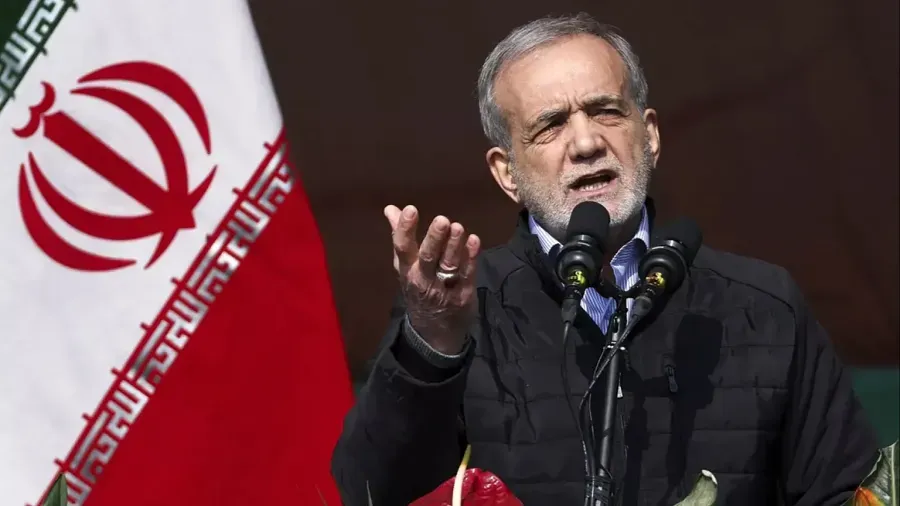
Baku exposes IRGC agent’s plan for Iraqi Kurdistan
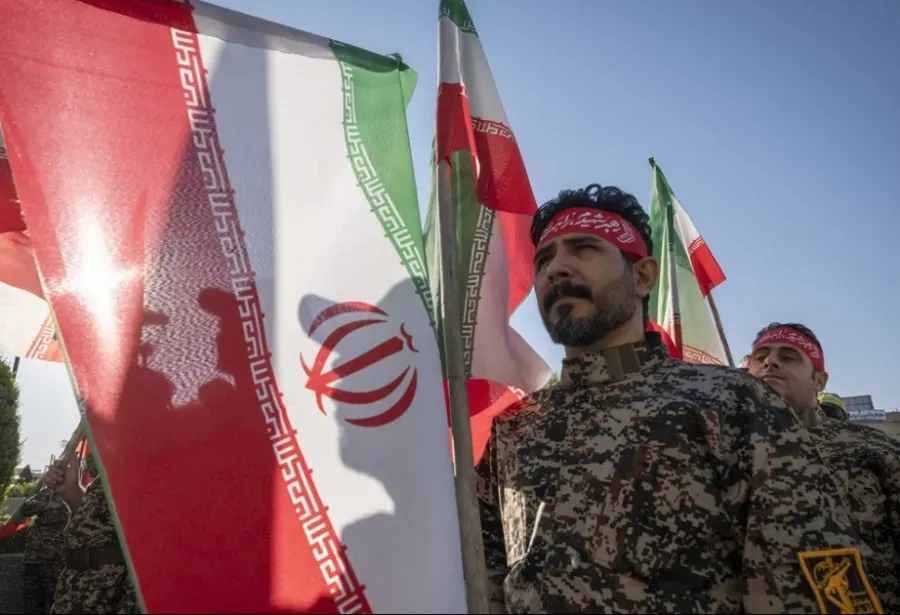
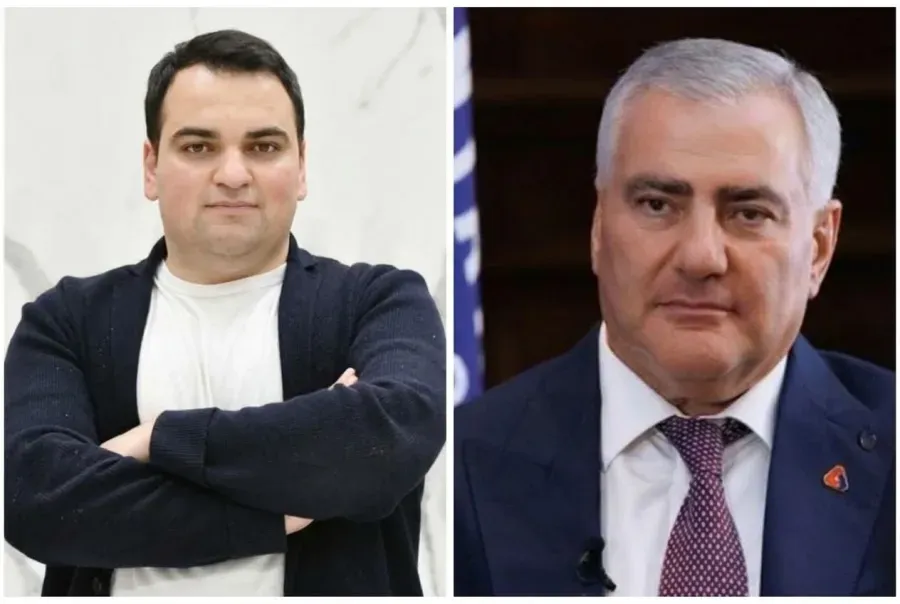
It is nothing new for Tehran regime’s propaganda outlets and pro-Armenian “experts” such as Ehsan Movahedian to distort archival footage from Azerbaijan Television and target Baku.
In fact, this appears to reflect the deep anxiety felt by the Iranian authorities over the emerging geopolitical realities in the South Caucasus and the Middle East. Tehran, which suppresses the national rights of tens of millions of Azerbaijani Turks within its own borders and subjects both Sunni and Shia Kurdish communities to harsh security measures, is now trying to portray contacts between Baku and Erbil as a “global conspiracy”. Yet a rational and pragmatic assessment of these developments from the perspective of Azerbaijan’s national security interests presents an entirely different picture.
Azerbaijan’s engagement with the Kurdistan Regional Government (KRG) in Iraq is by no means accidental and is fully in line with Türkiye’s regional strategy. It is the Republic of Türkiye that has enabled the autonomous region in northern Iraq to remain economically and politically viable, become its main gateway for foreign trade and facilitate its oil exports. Today, trade between Ankara and the Barzani administration in Erbil exceeds $12 billion. Moreover, in the fight against the PKK terrorist organisation, the Turkish Armed Forces operate in close coordination with the KRG’s local forces, the Peshmerga, playing an important role in their training and equipment. Through pragmatic cooperation with Erbil, Ankara seeks to prevent the emergence of a terrorist corridor along its borders. Azerbaijan’s role as a constructive partner along the Türkiye-Erbil axis does not weaken the strategic alliance between Ankara and Baku. On the contrary, in the spirit of the Shusha Declaration, it further strengthens the Turkic geopolitical axis stretching from the South Caucasus to the Middle East.
Azerbaijan’s engagement in Iraq is primarily driven by the need to protect the rights, security and political future of the millions of Iraqi Turkmens living there. In historic areas such as Kirkuk, Erbil, Mosul and Tal Afar, Turkmens have for years suffered under the repression of Saddam Hussein’s regime, the terrorism of ISIS and, more recently, the assimilation policies and demographic changes pursued by the sectarian Hashd al-Shaabi militias under Tehran’s influence. Baku’s establishment of direct, high-level diplomatic channels with Erbil and Baghdad is a powerful geopolitical safeguard against the marginalisation of Iraqi Turkmens and the seizure of their lands. Azerbaijan’s growing influence in the region provides the Iraqi Turkmens with both moral and practical support.
While Tehran’s propagandists invoke the Palestinian cause and Muslim solidarity, Iran’s overt and covert support for Armenia’s 30-year occupation policy, the destruction of mosques in Karabakh and the use of those sites to house pigs have never been forgotten. Alongside Azerbaijanis, thousands of Muslim Kurds were also expelled from historic Western Azerbaijani lands in Armenia and subjected to ethnic cleansing. Tehran, however, conceals these facts and does everything possible to preserve its strategic partnership with Yerevan. Meanwhile, Iran’s harsh sectarian policies against Sunni Kurds, the execution of hundreds of young people every year and the deliberate economic underdevelopment of the region lay bare the hypocritical nature of the Persian clerical regime.
The “Zionism” and “separatism” narratives promoted by marginal figures such as Movahedian are nothing more than a bitter admission of Tehran’s failing regional policy. Azerbaijan pursues an independent foreign policy. The economic, transit and security cooperation taking shape between Baku, Ankara and Erbil is directed against no third country. Within the framework of Iraq’s territorial integrity, this cooperation serves Azerbaijan’s national interests by protecting the security of our Turkmen compatriots, neutralising terrorist networks and bringing stability to the region. Rather than weakening the unbreakable Türkiye-Azerbaijan alliance, Tehran’s provocative attempts once again demonstrate how precisely and strategically Baku’s moves in the region are calculated.
Ismayil Shahli