
What is behind Pashinyan’s 2031 target? A five-year plan
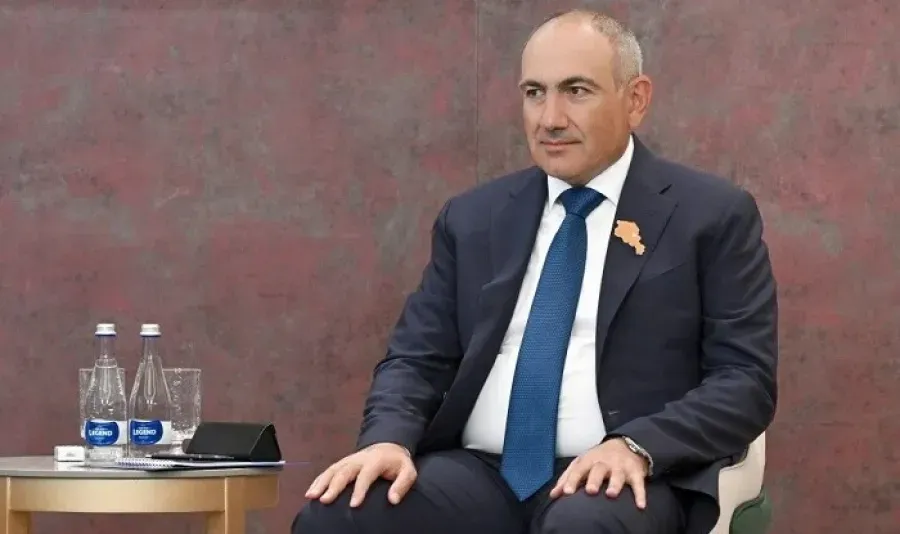
Armenian Prime Minister Nikol Pashinyan has announced that his goal is to sign and ratify a peace treaty with Azerbaijan by 2031. This may appear to demonstrate the Armenian prime minister’s commitment to peace, although one question remains open: why 2031?
The draft Azerbaijan-Armenia peace agreement, initialled last year, was expected to be signed by the end of this year or early next year. Yerevan was supposed to hold a referendum immediately after the elections, remove the constitutional obstacle to the peace agreement and then complete the process. However, Pashinyan’s failure to secure a constitutional majority in the parliamentary elections has cast doubt on whether the referendum can be held. Yerevan had previously stated that it was seeking ways to overcome the obstacles to a referendum. Now, Pashinyan is asking for another five years to sign a final peace agreement.
This appears to be a plan to buy time to fulfil Pashinyan’s political ambitions. The reason is that signing a final peace agreement could put his hold on power at risk.
First, revanchist forces, which have been regaining strength in Armenian society since the war — a trend reflected in the results of the latest parliamentary elections — could use the peace agreement to mobilise domestic public opinion against him.
Second, Pashinyan is concerned that the international support he receives because of his efforts to achieve peace in the region could diminish once the process is completed.
Pashinyan wants to keep domestic risks under control over the next five years, maintain international support and secure that support again in the 2031 parliamentary elections to win another term in office. It is possible that the Armenian prime minister will explain his 2031 target by pointing to the parliamentary situation:
* The absence of a constitutional majority in parliament makes holding a constitutional referendum impossible.
* In that case, Azerbaijan would either have to wait five years for Pashinyan to secure an absolute majority in the next elections or abandon its demand for constitutional changes to enable the final peace agreement to be signed sooner. Yerevan knows that Baku will not drop its demand, and that lasting peace in the region also depends on this issue being resolved.
This situation would allow the Armenian government to secure five more years of international support and create an opportunity to win the next elections as well.
This is one way to interpret Pashinyan’s 2031 plan. However, it does not align with the plans of either Baku or Washington, as changes in the regional circumstances could make completing the peace process more difficult.
Asif Narimanli, political commentator