
A hidden disease that targets the lungs: What you need to know about sarcoidosis
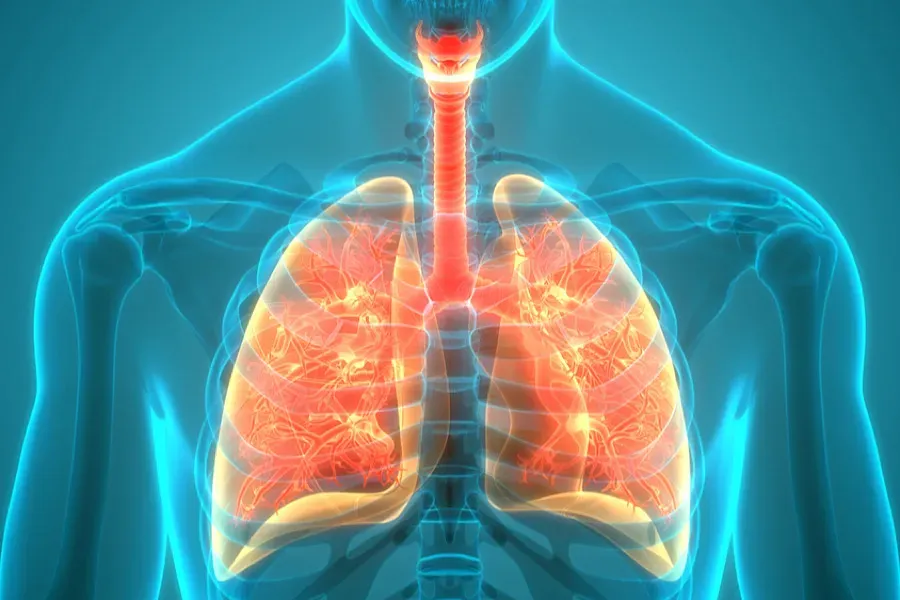
Sarcoidosis is a disease characterised by the formation of inflammatory cell clusters, known as granulomas, in various organs as a result of a reaction by the body’s immune system. Although it most commonly affects the lungs and lymph nodes in the chest, the skin, eyes, heart, liver, kidneys and nervous system can also be affected.
TodayPress TV reports that the exact cause of the disease has not yet been fully determined. Experts believe that an abnormal response of the immune system to certain external factors or antigens may play a role. Sarcoidosis is mild in many people and may even resolve without treatment. However, in some cases, the disease can become chronic and cause permanent organ damage.
What are the symptoms of sarcoidosis?
The symptoms of sarcoidosis depend on which organs are affected and to what extent. Some people have no symptoms at all, and the disease is discovered incidentally during an examination for another reason.
When the lungs are affected, the most common symptoms may include:
• persistent cough;
• shortness of breath;
• wheezing;
• chest pain.
Fatigue, weakness, fever and unexplained weight loss are also among the general symptoms of the disease.
When the skin is affected, rashes and nodules may develop. When the eyes are involved, blurred vision, eye pain, redness and sensitivity to light may occur. Cardiac sarcoidosis may manifest itself through palpitations and abnormal heart rhythms. When the nervous system is affected, headaches, dizziness, nerve pain and other neurological symptoms may develop.
How is the diagnosis made?
Diagnosing sarcoidosis is not always easy. There is no specific single test that can independently establish the diagnosis, and its symptoms may overlap with those of a number of other diseases. Therefore, doctors first try to rule out similar conditions.
During diagnosis, the patient’s symptoms and medical history are assessed and a physical examination is performed. Chest X-rays or computed tomography (CT) scans, lung function tests, blood tests and other examinations appropriate to the affected organ may then be ordered.
In some cases, a biopsy is performed to confirm the diagnosis. A sample of affected tissue is taken and examined in a laboratory.
Blood calcium levels, blood cell counts, and kidney and liver function may also be assessed. Although certain laboratory markers, such as ACE, may provide additional information, they cannot confirm a diagnosis of sarcoidosis on their own.
Does every patient with sarcoidosis need treatment?
No. One of the important features of the disease is that some patients may improve without treatment. The decision to treat depends on the patient’s symptoms, the activity of the disease and which organs are affected.
If the disease is mild and organ function is not impaired, a doctor may recommend regular monitoring only. However, the absence of symptoms does not mean that the disease can be completely left unchecked. Regular medical follow-up is important for monitoring the course of the disease and possible complications.
How is sarcoidosis treated?
When treatment is required, the main goals are to reduce inflammation, preserve organ function and improve the patient’s quality of life.
Corticosteroids are among the most commonly used treatments for symptomatic and more serious disease. Medications such as prednisone help reduce inflammation. However, long-term or high-dose use may cause side effects such as increased blood sugar and blood pressure, weight gain, bone loss, cataracts and glaucoma. Therefore, such medications should only be used under a doctor’s supervision.
When corticosteroids are insufficient or long-term use is undesirable, medications that suppress immune system activity, including methotrexate, azathioprine and certain other drugs, may be used. Different treatment approaches may also be selected depending on whether the skin or other organs are affected.
When lung function is severely impaired, additional treatments such as oxygen therapy and pulmonary rehabilitation may be required. In rare and severe cases, particularly when there is significant damage to vital organs, transplantation may also be considered.
Is sarcoidosis dangerous?
The course of sarcoidosis varies from person to person. In many patients, the disease is mild and enters remission. On the other hand, chronic and progressive sarcoidosis can cause scarring in the lungs, known as fibrosis.
Involvement of vital organs such as the heart, brain and nervous system is considered more serious. For this reason, people diagnosed with sarcoidosis should remain under medical supervision to determine whether the disease is limited to the lungs or affects other organs as well.
Is it possible to live with the disease?
Yes. Many people with sarcoidosis are able to lead normal and active lives. To achieve this, it is important to monitor the disease regularly, follow the treatment prescribed by a doctor and report new symptoms promptly.
A healthy lifestyle, maintaining physical activity as much as possible and avoiding smoking are also beneficial for overall health.
Most importantly, people diagnosed with sarcoidosis should not take medications on their own and, in particular, should not change the dosage of corticosteroids without consulting a doctor.
Kubra Musayeva