
Why has Iran chosen Velayati to threaten Pashinyan now?
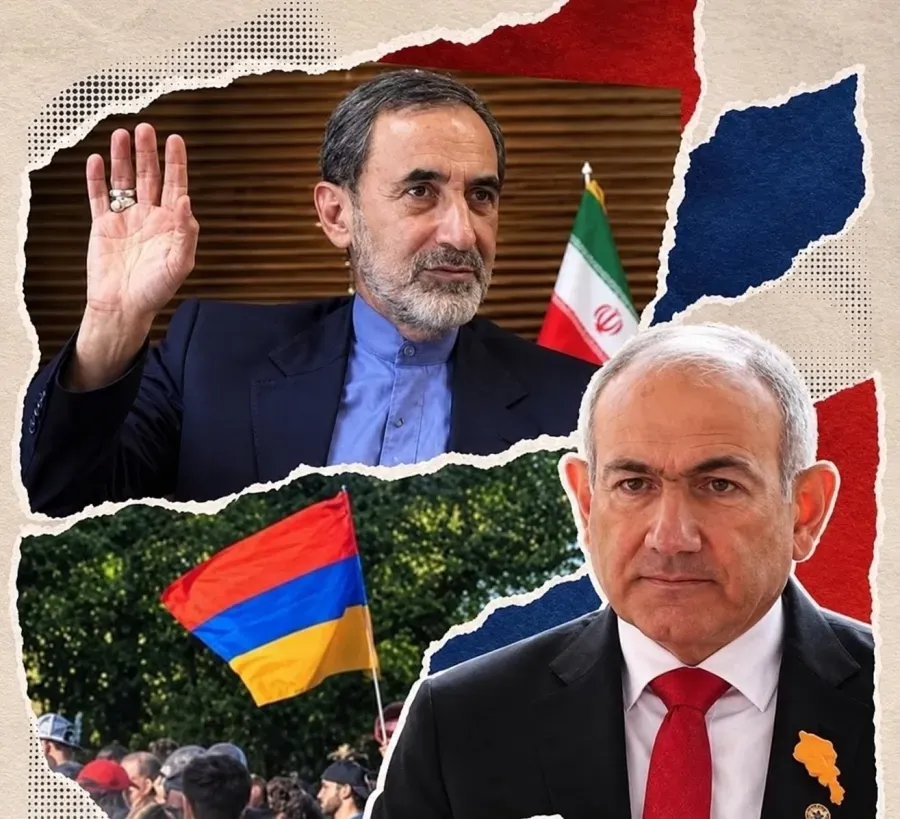
The process of opening new communication routes taking shape in the South Caucasus has pushed the Tehran regime’s nerves to breaking point. Recent hard-line statements by Ali Akbar Velayati, international affairs adviser to Iran’s Supreme Leader Ali Khamenei, former foreign minister and one of the regime’s most senior figures shaping its foreign policy doctrine, have stirred the region. His remarks, leaked to the media, crossed every boundary of diplomatic rhetoric, amounting to direct political blackmail and threats of retaliation.
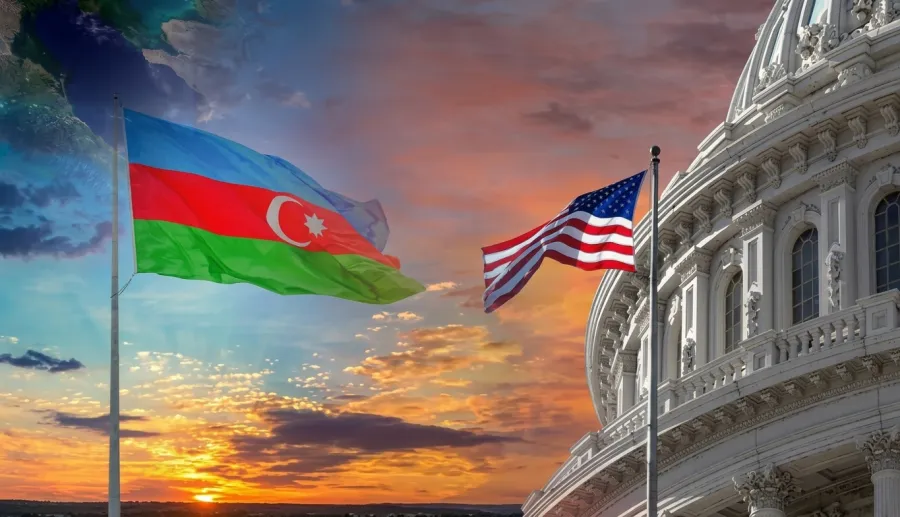
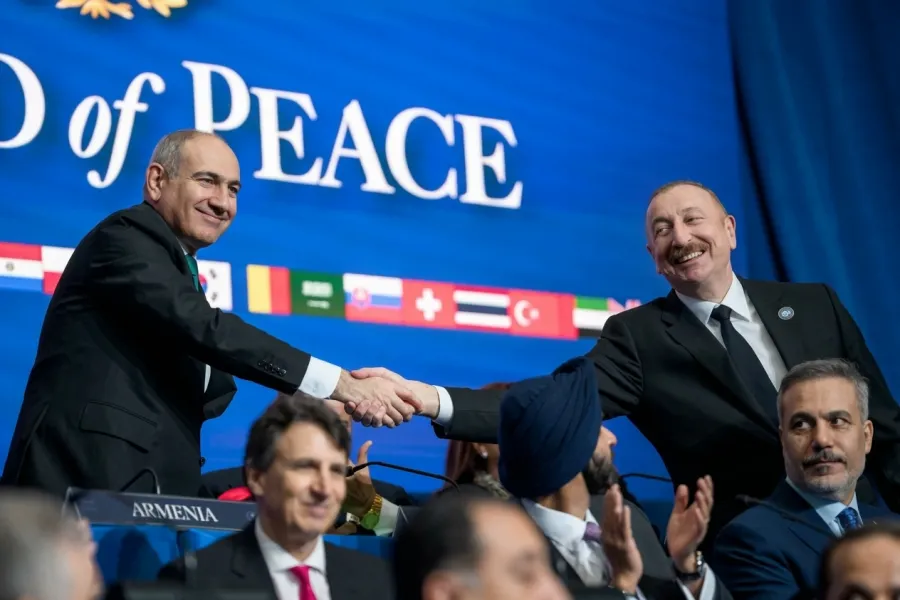
The main target of Velayati’s remarks is the TRIPP (Trump Route for International Peace and Prosperity) project, which aims to integrate the Zangezur route into global logistics networks. However, many have interpreted his anger, accompanied by the threat that “we will break their legs”, merely as a message to Yerevan. In reality, it is a direct warning aimed at the independent will of the entire South Caucasus, including Baku and Ankara.
The argument put forward by Tehran exposes the Persian clerical regime’s view of the region in its starkest form: “Because Russia is preoccupied with the war in Ukraine, the three South Caucasus countries have begun entertaining unrealistic ambitions. You are trying to pursue independent policies and establish ties with the West. But Iran is still here; until Russia returns and brings you back into line, we will stand here as the gendarme.”
This statement will not simply be remembered as an attempt to twist Pashinyan’s arm. It represents the revival in the 21st century of the colonial mentality inherited from the 19th-century Treaties of Gulistan and Turkmenchay. Tehran is openly admitting that it does not view the South Caucasus as a community of independent states, but rather as a backyard that must remain under the joint control of Moscow and Tehran. In this dark model, agreed upon by the northern bear and the southern lizard, there is no room for Azerbaijan’s sovereignty, Georgia’s transit potential or Armenia’s economic revival.
So why has Velayati, after years of restraint, suddenly begun issuing threats and wagging his finger at the region, seemingly overnight? The timing is by no means accidental.
First and foremost, Russia’s traditional footholds of influence in Armenia have been severely weakened and are on the verge of collapse. The last figures linked to Moscow are being removed one by one. Even with the arrest of Samvel Babayan, the Kremlin’s last strong representatives in Yerevan have been pushed out of the picture, leaving virtually only Archbishop Bagrat Galstanyan. This means that Russia’s direct levers of influence over Armenia have been left virtually paralysed.
The West has immediately begun filling this vacuum. France, in particular, is making a one-sided push into the region and arming Armenia, while the United States is entering Zangezur through the TRIPP project, changing the geopolitical map. Moreover, against the backdrop of a change of administration in Washington, there are clear signs that the US regional policy, particularly regarding the Zangezur corridor, will see more decisive moves.
The Tehran regime, which has long considered itself the “unofficial owner of the Caucasus”, has realised that it is losing control altogether. Russia’s representatives are being handcuffed one after another, Armenia is drifting towards the Western platform, and the Zangezur corridor is on the verge of opening under international guarantees. Velayati, a diplomatic tactician of many years, stepped forward precisely when he understood that all these factors had reached their climax and that Western and US-backed projects were becoming irreversible. What is particularly astonishing and hypocritical is that those who until yesterday spoke of “brotherhood” with Yerevan and their “red lines” can suddenly turn around and unleash the harshest forms of blackmail and slander against their supposed partners.
But what exactly is the TRIPP project and the Zangezur corridor that have frightened Iran so much and prompted Velayati to issue such hysterical threats?
Iran’s geopolitical hegemony for years was built entirely on maintaining blockades. The absence of a direct land connection between Nakhchivan and mainland Azerbaijan left Baku dependent on Iranian territory for decades. At the same time, Armenia’s continued blockade by Türkiye and Azerbaijan turned Yerevan into Tehran’s economic outpost. Now, however, the Zangezur route – whether in the form of the traditional Zangezur corridor or as the TRIPP framework attracting international investment – threatens to break this chain of dependency once and for all.
Once this route opens, the Middle Corridor, originating in China and Central Asia, will run across the Caspian Sea, through Baku and Zangezur to Nakhchivan, and from there to Türkiye and Europe without obstruction. This route would bypass Iran’s long-standing transit fees, border-related pressure tactics and artificial obstacles. Iran would lose hundreds of millions of dollars in transit revenue and, more importantly, permanently forfeit its leverage to obstruct the physical and logistical integration of the Turkic world. That is precisely why Velayati, saying “you will see the corridor when you can see the back of your own head”, is grinding his teeth in desperation.
Secondly, Tehran’s threat is intended to embolden revanchist forces in Armenia and force the Pashinyan government into submission. Iran is sending Yerevan a message: do not pursue integration with the West, do not sign peace with Türkiye and Azerbaijan, and do not open the borders. Wait until Russia wins in Ukraine and brings you back under its umbrella. In reality, this is a treacherous path that would drag Armenia into a quagmire and condemn it to permanent isolation.
However, Velayati and the Tehran faction backing him have forgotten one crucial reality: the South Caucasus is no longer the isolated and weak region it was in the 1990s.
Today, the region is home to a victorious Azerbaijani state that secured a historic triumph in the 44-day war and fully restored its territorial integrity and sovereignty. Azerbaijan does not act at anyone’s dictation and has both military and diplomatic strength to protect its national interests. Most importantly, standing behind Baku is the Republic of Türkiye, home to NATO’s second-largest army, united with Azerbaijan under the motto “One nation, two states” and having formalised its military alliance through the Shusha Declaration.
If Velayati and other regime propagandists dream of teaching Armenia and Azerbaijan how to “fall into line” or entering the Caucasus with tanks and artillery, they should understand that they would face not merely the three South Caucasus states, but the military and strategic shield of the entire Turkic world. Türkiye’s presence in the region shatters the fantasies of Iran or any other remnant of empire about dividing up the Caucasus once again.
Another dimension of the issue is the social and national tensions inside Iran, which are approaching an explosive point. At a time when US and Israeli strike aircraft are flying near its southern borders, the economy is collapsing, the national currency is hitting record lows, and, most importantly, more than 30 million of our compatriots living in the country – the South Azerbaijani Turks – are preparing to rise up with demands for national freedom, turning its artillery northwards and threatening the other side of the Araz River is nothing short of political suicide for Tehran.
Velayati’s threat to “wait for Russia” is, in fact, an admission of Tehran’s own weakness, helplessness and strategic dead end. If a regime that calls itself a “powerful regional state” still depends on another country – Russia – returning from Ukraine to frighten its neighbours in the Caucasus, then that regime’s own legs have long since been broken.
The peoples of the South Caucasus have already made their choice: this region will not become a place of endless wars, imperialist trenches and sectarian fears. The roads running through Zangezur will carry not only trains and cargo, but also the independence, prosperity and freedom of an entire region. Tehran can continue reading from its old pages of threats, but the caravan has already set off, and neither Velayati’s statements nor the regime’s outdated artillery will be able to stop it.
Ismayil Shahli