
The toll states have paid because of religious fanaticism

A state is not always brought down by an external enemy. One of the most common paths to destruction is falling under the influence of radical ideologies cultivated by certain forces within society, along with blind religious fanaticism, and gradually moving towards self-destruction. When governance is dominated not by a cool-headed assessment of circumstances and practical interests but by radical ideas, a state effectively sacrifices its future, its people and its economy to empty illusions.
When radicalism becomes state policy, it first dismantles diplomacy and pragmatic thinking. The logic of “You are either with me or against me” forces states to exhaust their resources in absurd wars.
The German principalities and the Thirty Years’ War (1618–1648) provide an example. The clash between Catholic and Protestant radicalism caused a devastating demographic catastrophe in the heart of Europe. In some regions of the German principalities, the population declined by 50–60%. Agriculture collapsed, and cases of cannibalism were recorded in certain areas. It was precisely the blinding effect of religious radicalism on states that wiped hundreds of villages and towns off the map, setting the region’s development back by a full century.

The Safavid–Ottoman sectarian wars of the 16th and 17th centuries also demonstrate the consequences of ideological and religious radicalism dominating foreign policy. In these confrontations, which pitted two great empires against each other in the Middle East, both sides lost tens of thousands of experienced soldiers and substantial resources in major battles, including Chaldiran and Childir. The most tragic aspect was that, while these two powerful states weakened each other, Europe redirected international trade routes towards the oceans through the Age of Discovery. Both the Safavids and the Ottomans lost their economic advantage along the Silk Road precisely because of this ideological intransigence.
The radical religious claims of Khwarazmian ruler Ala ad-Din Muhammad, combined with pressure from fanatical religious factions, led to the killing of Mongol envoys and a trading caravan in the Otrar tragedy, ultimately bringing about the end of an empire. Instead of cool-headed diplomacy, radical pride and fanaticism prevailed. As a result, cities such as Bukhara, Samarkand and Urgench, which had been centres of learning for humanity, were razed to the ground.
When radical movements gain control over society and the state, internal purges begin. This is because radicalism fears independent thought and questioning minds.
Spain in 1492 and the Inquisition provide another example. Following the Reconquista, the Spanish Crown, guided by radical Christian ideology, forced hundreds of thousands of Jews and Muslims from Andalusia, known as Moriscos, either to convert under duress or to flee the country. What was the result? Spain lost some of its most educated doctors, mathematicians, merchants and artisans. Despite the tons of gold and silver arriving from the Americas, the Spanish economy began to decline because it lacked a strong intellectual foundation.
Consider the destruction of Afghanistan’s “Golden Age.” In the 1960s and 1970s, Kabul was home to women studying at universities and professors collaborating with foreign scholars. However, once radical ideologies and religious extremism took hold of the country, intellectuals became the first targets. Doctors, engineers and teachers left the country. Today, Afghanistan ranks among the world’s most isolated and impoverished countries, having lost an entire generation of intellectuals.
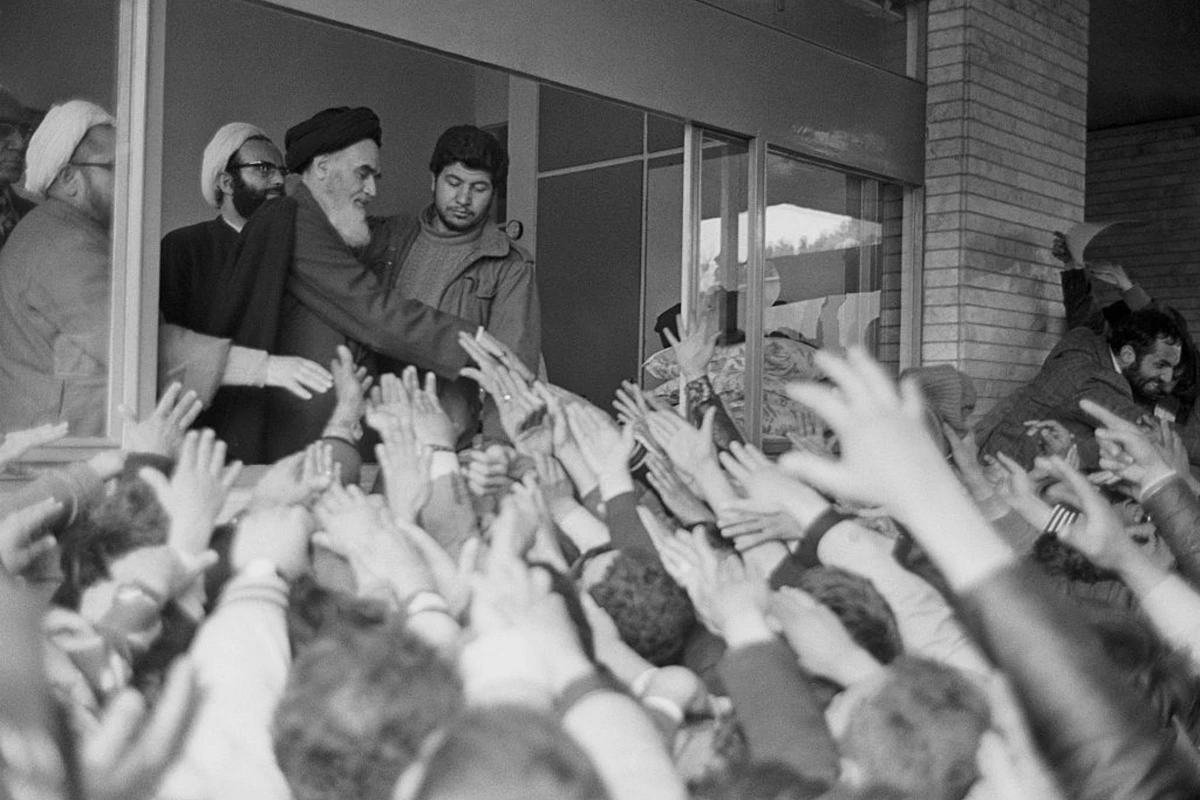
The political system that emerged in Iran after the 1979 Islamic Revolution clearly illustrates the influence of religious ideology on state governance and foreign policy. Theocratic rule, prolonged confrontation with the United States and a hard-line regional policy have complicated Iran’s international relations. Disputes over its nuclear programme, support for regional armed groups and human rights have paved the way for an expansion of international sanctions against the country. These restrictions have affected oil exports, financial transactions and foreign investment, narrowing Iran’s economic opportunities. Alongside sanctions, problems in governance and economic policy have further deepened the country’s difficulties. Thus, the clash between ideological priorities and national and economic interests has become one of the factors limiting the state’s development prospects.
An economy cannot function on ideological slogans; it requires stability, the rule of law and foreign capital. Radicalism can destroy all of these in an instant.
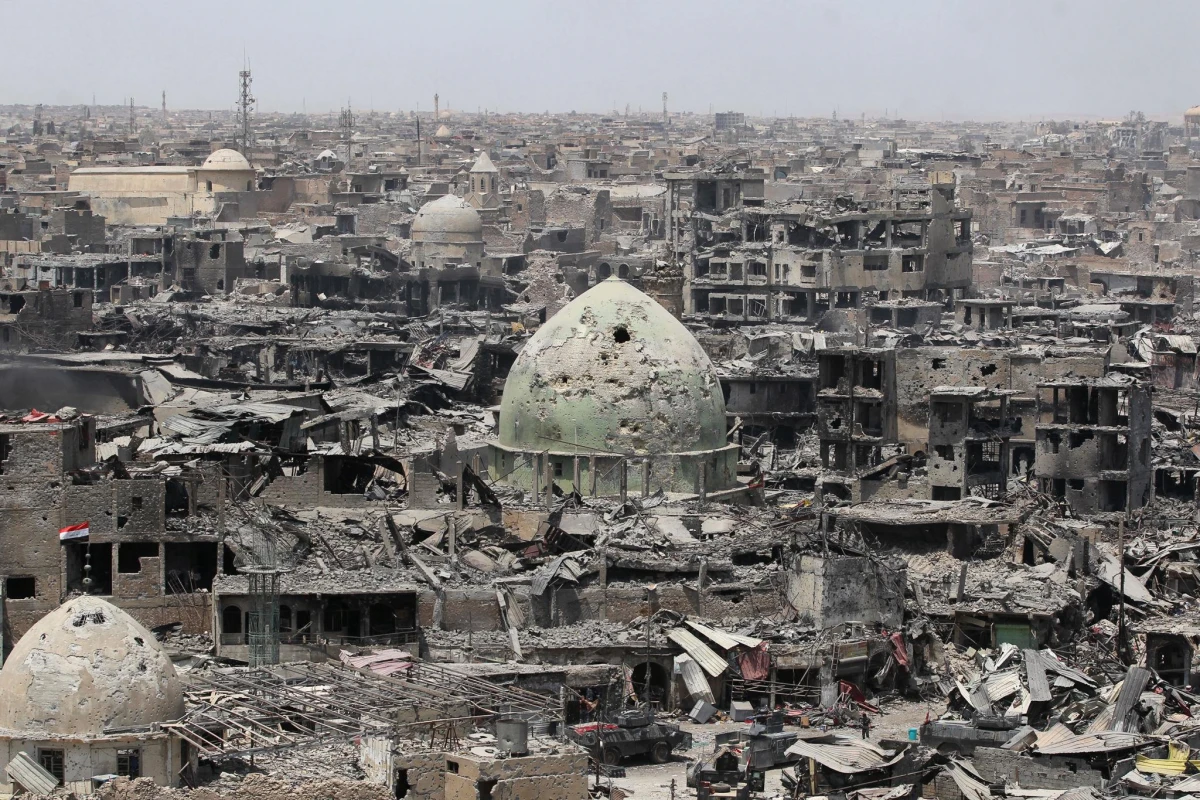
Recall how the fertile lands of Iraq and Syria were turned into ruins. When the radical group ISIS captured Mosul, Iraq’s second-largest city, and the Syrian city of Raqqa in 2014, it inflicted devastating damage on the countries’ economies. The damage to Mosul’s infrastructure alone exceeded $15 billion during the operation to liberate the city. In Syria, meanwhile, the civil war and the spread of radicalism caused the country’s gross domestic product to shrink by more than 70%, while millions of people became refugees.
This process leads to comprehensive collapse. States that disregard international law in the name of radical slogans and issue radical religious and ideological threats against their neighbours soon find themselves caught in a web of international sanctions. As a result, foreign investment dries up, national currencies lose value, and state budgets are spent not on development but merely on “survival.”
The examples listed above point to one bitter truth: in societies that fall into the trap of radicalism, the state itself becomes the first victim.
Slogans are temporary, and the wave of fanaticism eventually subsides. But rebuilding the cities left in ruins, restoring the prospects of lost generations and reviving collapsed economies takes decades. The true strength of states lies not in radical ideologies, but in strong science and education, pragmatic foreign policy and the foundations of secular governance.
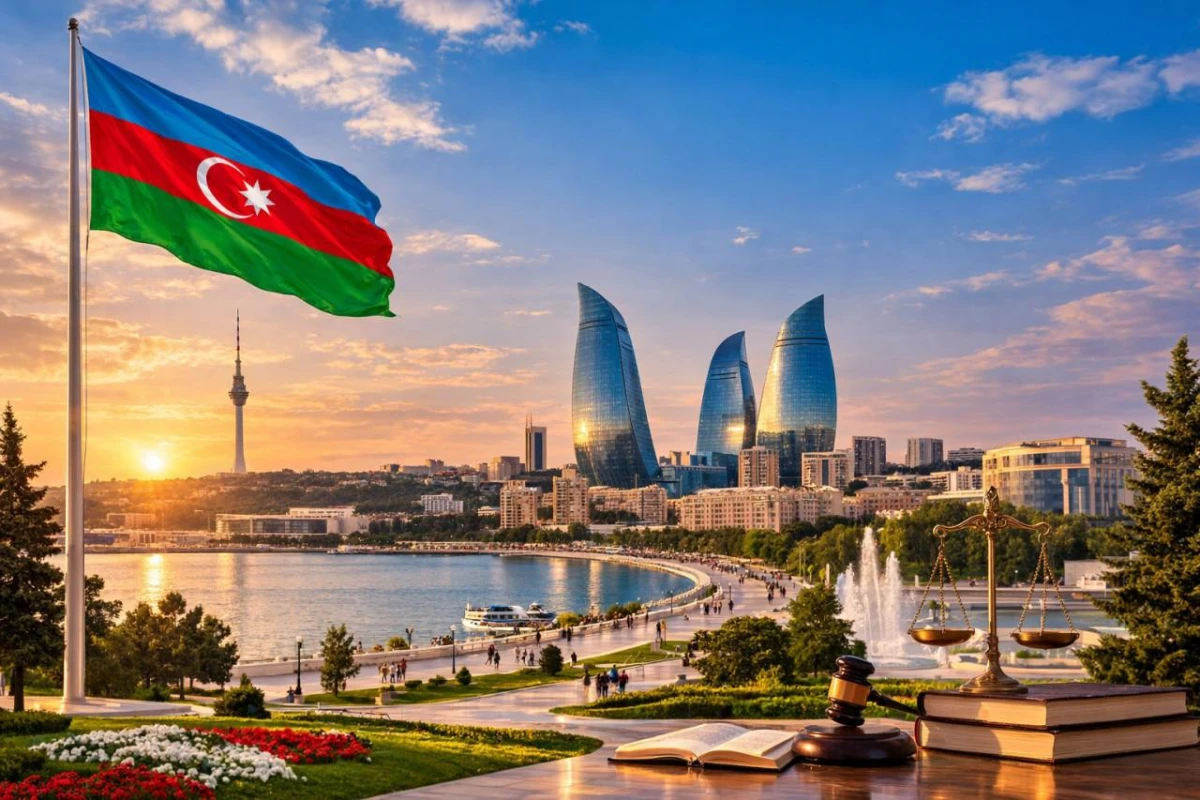
Azerbaijan’s model of statehood is also based precisely on these principles: secularism, national interests, strong state institutions and pragmatic policies. The country’s established governance system, law enforcement and security structures, as well as its traditions of education and public enlightenment, play an important role in preventing religious radicalism from influencing society and the state. Azerbaijan has a solid foundation of statehood and does not allow any radical religious ideology to undermine the country’s stability, national unity or future development. Underpinning this resilience are strong state institutions, policies based on national interests, sound judgment within society, science and education, and the compatibility of national values with secular principles.
Jala Rovshan