
Look what Trump ‘gifted’ Putin — Zelenskyy furious
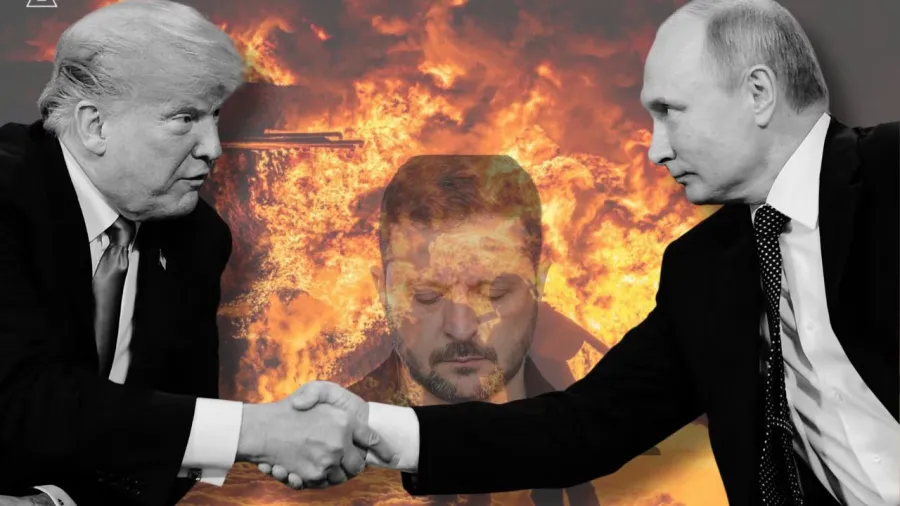
US President Donald Trump’s agreement with Russian President Vladimir Putin on the purchase of hundreds of thousands of tonnes of Russian diesel fuel has triggered a new wave of tensions in international politics. The move is affecting not only the energy market but also diplomatic relations between Washington, Moscow and Kyiv, as well as the geopolitical balance.
Ukrainian President Volodymyr Zelenskyy reacted sharply to the deal, calling it a “gift to Putin”. He declared that the funds flowing to Russia would finance “more terror and betrayal”. Kyiv’s concerns have raised serious questions about the unity of the Western coalition and the future of sanctions imposed on Russia.
What objectives lie behind this controversial move by the White House? What is Trump’s main goal in pursuing such a deal with Moscow?
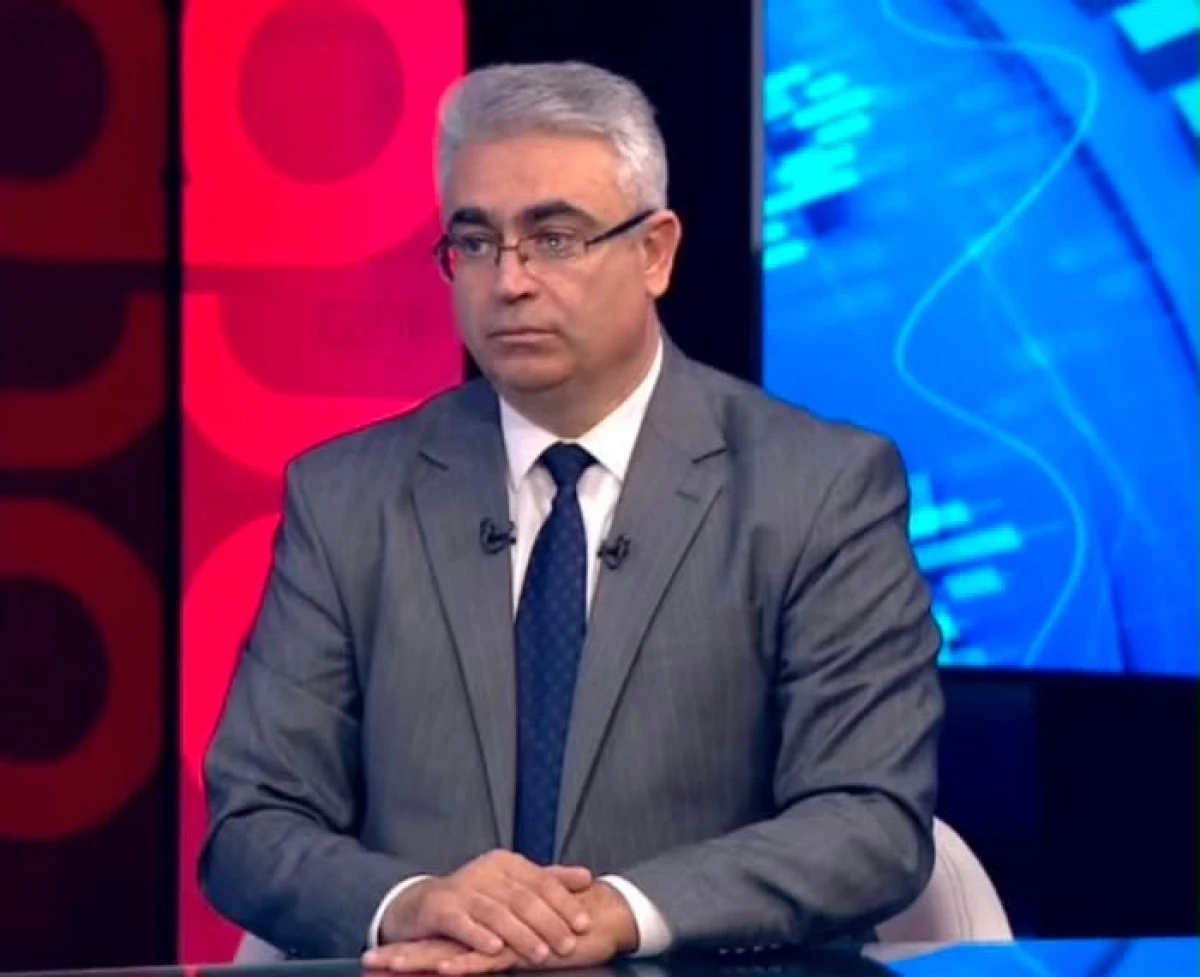
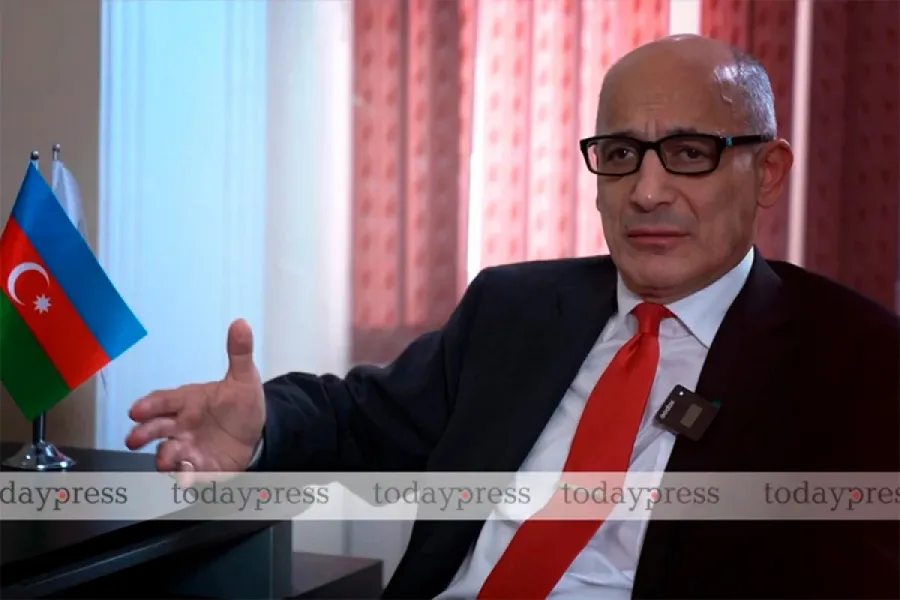
Commenting on the issue to TodayPress TV, political analyst Anar Isayev said that Trump’s agreement with Vladimir Putin on the purchase of hundreds of thousands of tonnes of diesel fuel was driven primarily by US energy interests, economic pragmatism and an attempt to expand Washington’s room for manoeuvre in its relations with Russia.
According to him, the move demonstrates that Washington is approaching the war in Ukraine not only through the lens of political and military considerations but also from the perspective of economic interests.
“For Trump, the main issue is not so much which country the energy resources come from as their price, the continuity of supply and their impact on the American economy. If Russian diesel is offered to the United States on more favourable terms, Trump may present this as an economic advantage. However, since the specific commercial terms of the deal are not known, it is impossible to say definitively how beneficial it would be for the United States,” he said.
The analyst believes the agreement can also be viewed as an attempt by Trump to expand his political room for manoeuvre in negotiations with Putin. On the one hand, the US president seeks to maintain pressure on Russia; on the other, he wants to reach agreements with Moscow on certain issues. This approach is consistent with his strategy of striking deals even with rivals, distinguishing it from traditional diplomacy. Nevertheless, further evidence is needed to conclude that the agreement is directly linked to ending the war in Ukraine.
In the expert’s view, another important aspect of the issue is the relationship between economic interests and political principles.
“Zelenskyy’s dissatisfaction stems precisely from this. Kyiv believes that purchasing energy products from Russia could increase Moscow’s revenues and indirectly support its military capabilities. Trump, however, approaches the issue from a different perspective and does not automatically regard limited economic cooperation with Putin as a political concession, provided that US economic interests are protected,” he said.
The analyst emphasised that the move could also serve as a political message to European countries and Ukraine. Washington wants to demonstrate that US relations with Russia will not be defined solely by war and confrontation, and that the American side can reach separate agreements with Moscow on issues it considers to be in its own interests. Such an approach, however, could deepen trust issues between the United States, European countries and Ukraine.
According to Anar Isayev, it would be incorrect to interpret Trump’s move solely as political support for Putin. Economic gain, energy security and an attempt to influence relations with Russia may all be complementary factors behind the decision. However, the consequences of such agreements should be assessed not only in terms of the benefits gained by the United States but also in terms of the economic and political advantages Russia may secure.
Giymat Mahir