
Pashinyan’s secret plan exposed: Why did he appoint his staunchest opponent to the post?
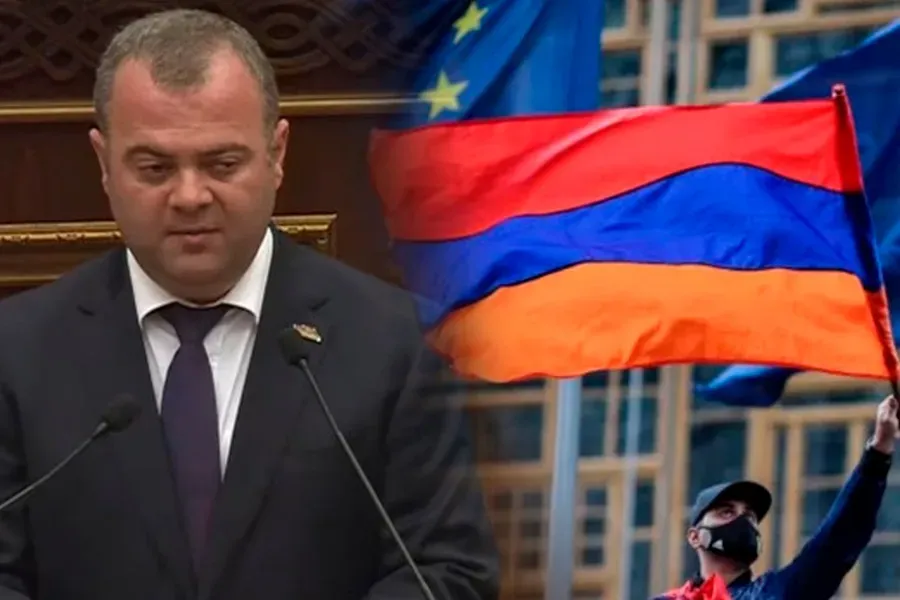
MP Harutyun Harutyunyan of the opposition Strong Armenia faction has been elected chair of the Standing Committee on European Integration of the National Assembly of the Republic of Armenia.
Following a secret ballot, 56 MPs supported his candidacy, while 48 voted against it.
Earlier, Liana Manukyan, a member of the opposition Strong Armenia faction, was also elected chair of the parliamentary Standing Committee on Financial, Credit and Budgetary Affairs. However, the Civil Contract faction voted against Hayk Farmanyan, a member of Strong Armenia, for the chairmanship of this committee. What could be the reason for Pashinyan’s decision to appoint one of the staunchest opposition MPs to one of the state’s most strategic posts?
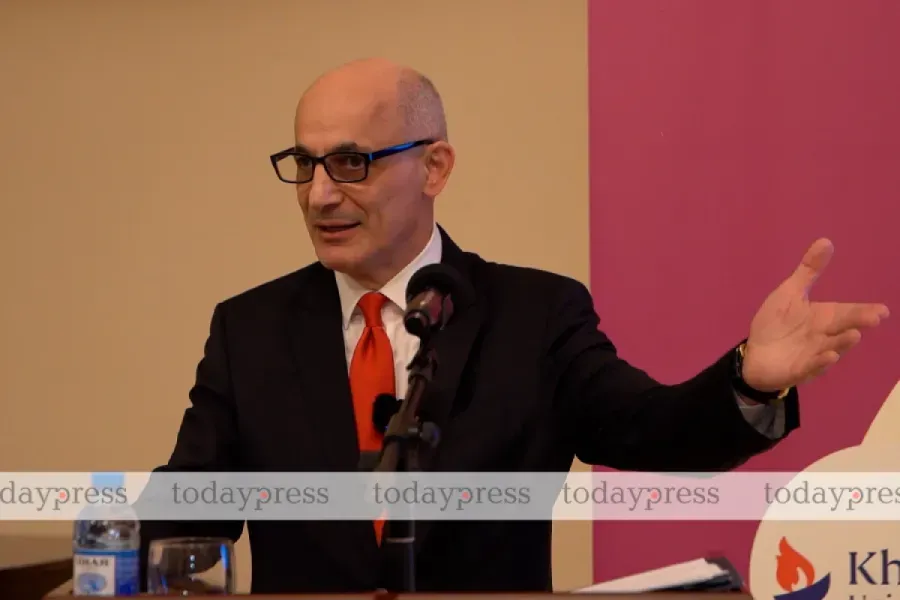
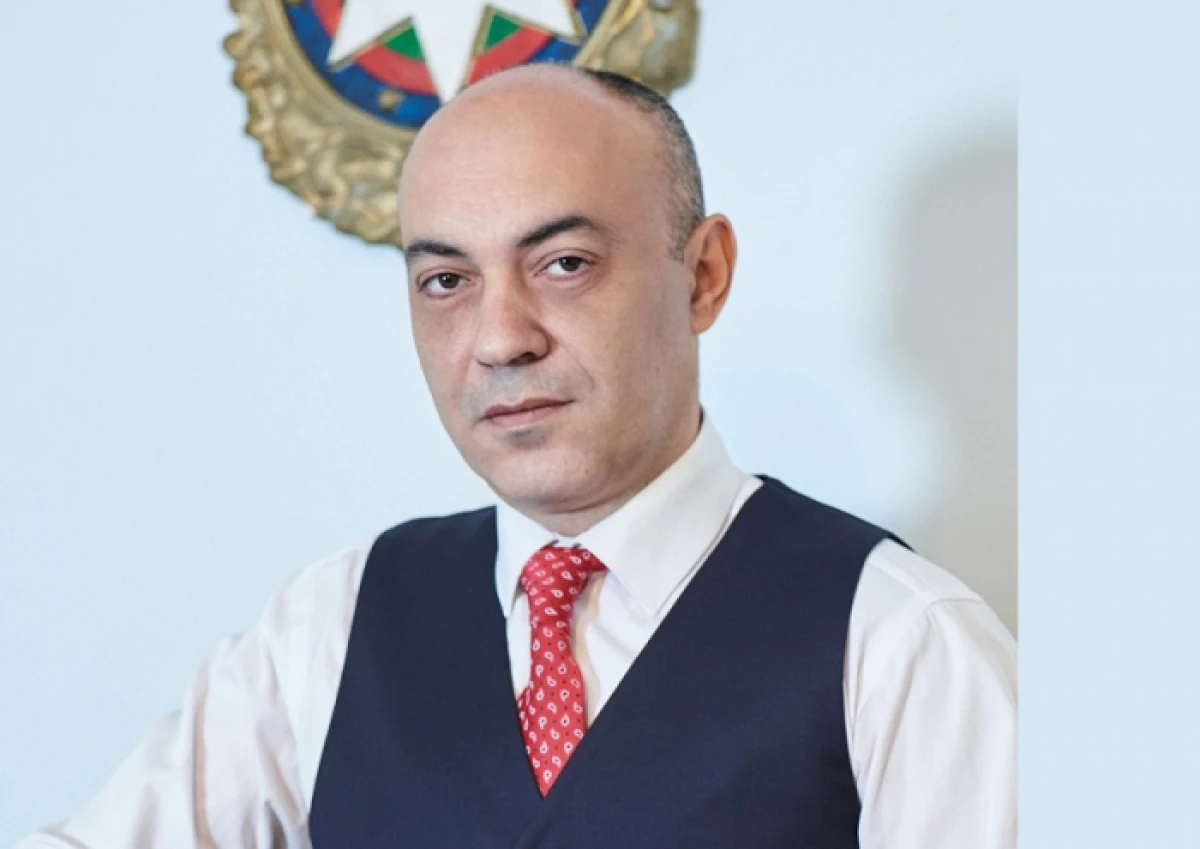
Speaking to TodayPress TV, political analyst Rashad Bayramov said that the election of Harutyun Harutyunyan, a representative of the Strong Armenia faction, as chair of the Standing Committee on European Integration in the Armenian parliament was not a political gesture by Nikol Pashinyan’s government toward the opposition:
“When we analyze the issue in depth, we can say that this is not even an attempt to create a democratic image. In fact, it is designed to serve several political objectives of the government simultaneously.
It is well known that the Pashinyan government has particularly emphasized the European direction in Armenia’s foreign policy in recent years. Therefore, giving the leadership of the European Integration Committee to an opposition representative creates a politically convenient model for the government to some extent. In other words, European integration is presented not merely as a project of the Pashinyan government, but as a broader national political process involving the opposition in parliament as well. Harutyunyan’s own remarks, in which he linked European integration to a practical process, the strengthening of state institutions and the diversification of foreign partners, demonstrate this. It is true that Harutyunyan also stressed that moving from one center of dependence to another is unacceptable, but in any case, if the parliamentary opposition itself puts forward its candidate for such a position, that already says a lot.”
The analyst also noted that this move gives Pashinyan an opportunity to keep part of the opposition within the political system. Bringing a strong opposition figure into the leadership of a committee gives him both real responsibility and real political opportunities. This, in turn, makes the opposition appear not merely as a force criticizing from the streets or outside the system, but as an actor bearing responsibility in certain areas of state governance. Thus, the government could later use the argument, “You are also part of this process,” against criticism from that opposition.
“Another important point is the strengthening of the appearance of parliamentary oversight. Interestingly, not all of Strong Armenia’s candidates were automatically supported. On the contrary, after the failure of the previous candidate, Arega Hovsepyan, Harutyunyan’s candidacy was put forward, and he was approved with 56 votes.
Overall, Pashinyan’s policy here can be considered quite rational. By giving one of the most prominent opposition figures a high-profile parliamentary position, he gains an opportunity to demonstrate democratic legitimacy, broaden the political base for the European integration course, and turn part of the opposition into an actor bearing responsibility within the system.
From this perspective, this is not about Pashinyan making concessions to the opposition, but about bringing a certain part of the opposition into a manageable institutional framework within the rules of his political game,” Bayramov concluded.
Giymat Mahir