
Iran has turned to “religious” Azerbaijanis in Russia to target Azerbaijan
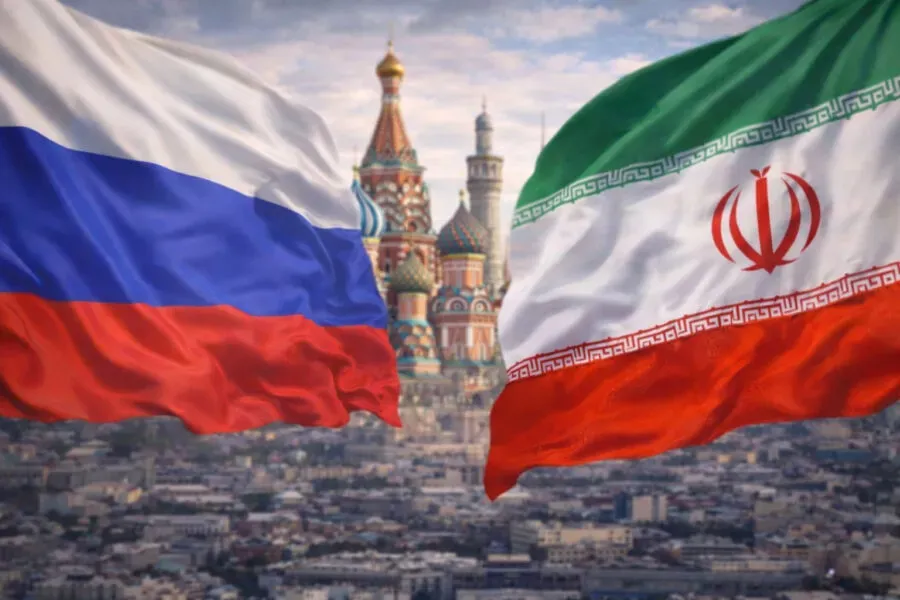
A new information campaign has emerged around the uniform school dress code implemented in Azerbaijan’s educational institutions. This time, the alleged scenario is more complex and its geographical reach broader: a media outlet in Georgia serves as the platform, Azerbaijani religious figures living in Russia act as the spokespeople, and Tehran is portrayed as the force directing the campaign.
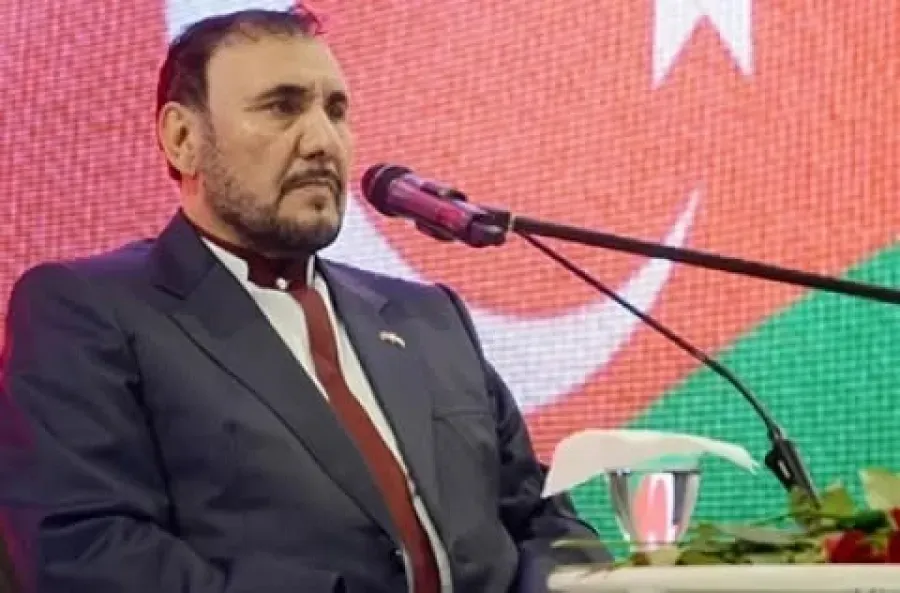
A video has circulated in Georgian media showing a group of Azerbaijani religious figures in Russia holding a gathering and portraying Baku’s uniform policy as a “hijab ban”, while accusing the government of acting unlawfully. To intensify the controversy, a claim targeting a sensitive social issue has also been circulated: that Jewish students in Azerbaijan are allegedly allowed to attend classes wearing religious symbols, while Muslims are not.
However, the article argues that the reality is clear. Azerbaijan is a secular state, and the standard school uniform applies equally to all students, regardless of their religious, ethnic or social background. No religious community is granted special privileges, nor can any be granted such privileges under the uniform policy.
The alleged mechanism behind this campaign can be outlined as follows:
* Participants — those making the statements: Azerbaijani religious figures living in Russia who are described in the article as being under the influence of certain foreign circles.
* Platform — those spreading the content: A regional media outlet operating in Georgia that circulates material on sensitive issues of this kind.
* Alleged sponsor and scriptwriter: Iran.
The article notes that Iran has for years sought to expand its religious and ideological influence in Georgia, particularly in the Kvemo Kartli region, also known as Borchali, where ethnic Azerbaijanis live in concentrated communities. According to the article, this influence is cultivated through religious education, mosques, religious organisations, clerics educated in the Iranian city of Qom and cultural ties. It argues that the video’s circulation through Georgian media raises questions about Iran’s possible involvement.
The article further claims that Tehran has long been unable to accept Azerbaijan’s independent foreign policy, secular model of governance and growing regional influence. It alleges that, as attempts to sow discord within Azerbaijan fail, efforts are being made to create instruments of psychological pressure through Azerbaijanis living abroad. According to this interpretation, bringing religious groups in Georgia and religious figures in Russia onto the same front is intended both to divide the Azerbaijani diaspora and to portray Azerbaijan internationally as a country that “restricts religious freedoms”.
However, the article argues that such simplistic and already exposed scenarios do not resonate with Azerbaijani society.
The standard school uniform policy, it concludes, is not a religious ban but a legal measure intended to ensure equality within the education system. No one, it says, has the right to interfere in the domestic affairs of an independent Azerbaijan.
Jala Rovshan
TodayPress TV presents the video in question: