Who has stepped on Iran’s tail? Armenia could be the next target
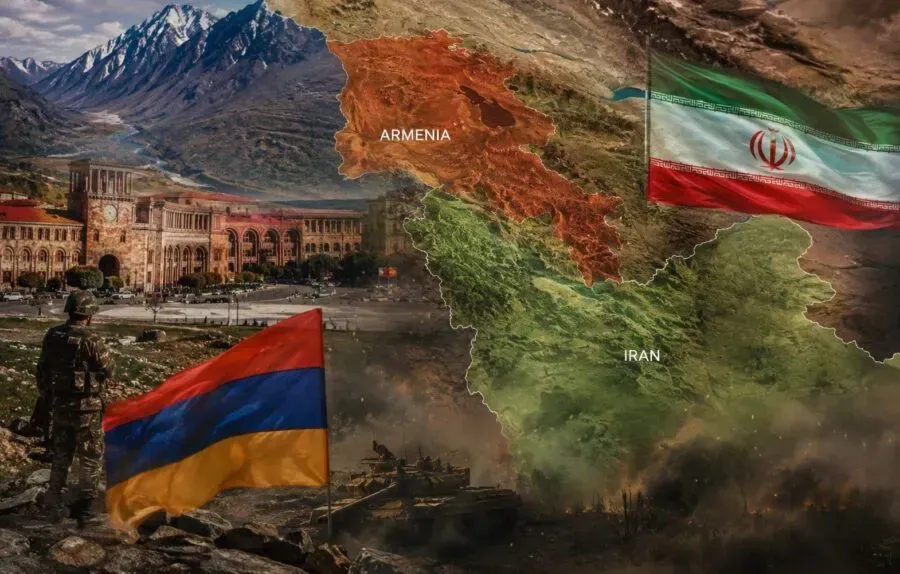
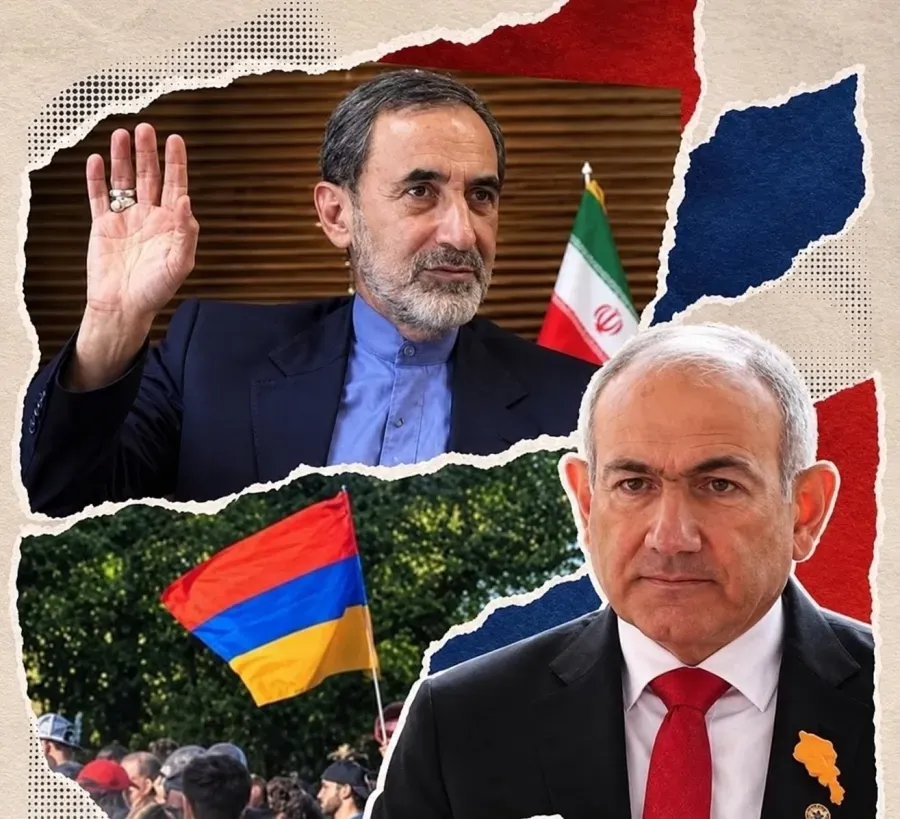
Strong remarks by Ali Akbar Velayati, adviser to Iran’s Supreme Leader on international affairs, directed at Armenia have heightened tensions in the region. Opposing the TRIPP project, Velayati issued stern threats against the United States and its allies. He accused Armenian Prime Minister Nikol Pashinyan of moving closer to the West and described the project as contrary to Tehran’s security interests.
Velayati said Iran considers the security of the South Caucasus its responsibility and views the TRIPP project as a red line. Emphasising that he had warned the Armenian ambassador, he said: “If Trump and his allies try to cross this red line of Iran’s, we will break their legs”.
What is happening between Yerevan and Tehran? Given Armenia’s rapprochement with Türkiye and Azerbaijan, could Iran’s position be viewed as an indirect move against Azerbaijan?
Speaking to TodayPress TV , political analyst Shakir Aghayev said Velayati’s threats over the TRIPP project were a continuation of Iran’s longstanding position:
“This was an expected reaction from Iran. Tehran has opposed this route from the very beginning. Velayati’s statement also shows that Iran intends to prevent the project from being implemented. It has even been reported that a warning was issued to the Armenian embassy in advance”.
He believes the main targets of Iran’s threats are the companies that will take part in the project:
“Iran’s threat is aimed directly at intimidating those companies. They know that during the war between the United States, Israel and Iran, Tehran targeted areas hosting US and Israeli military bases and their facilities. Iran has already tested this approach. That is why it is trying to deter companies from joining the project, investing in it or taking part in its implementation. This is because an American company will play the leading role in carrying out the project”.
According to the analyst, Tehran is portraying the project as a threat both to its own security and to Armenia’s:
“Iran is firmly opposed to the implementation of the Zangezur Corridor, or the TRIPP project, and wants to prevent it by all possible means. This complicates the security situation. Iran’s message is also a warning to Armenia. If a war between the United States and Iran breaks out again, that part of Yerevan could also become a target, as the area may be regarded as an American economic zone”.
The political analyst, however, considers the possibility of Azerbaijan and Türkiye being directly threatened by Iran unlikely:
“Azerbaijan has already stated that Iran cannot threaten either Türkiye or Azerbaijan, because it is well aware of the strength of both states. The main responsibility here lies with the United States and Armenia. Azerbaijan has almost completed the work on its section of the Zangezur Corridor. The more than 40-kilometre stretch passing through Armenian territory, however, falls under Yerevan’s responsibility. Implementing the project and ensuring security in that area are Armenia’s obligations, because it was Armenia, not Azerbaijan, that signed the contracts with the companies”.
Jala Rovshan