The peace narrative is fading: The “Iron Fist” looms over Pashinyan once again
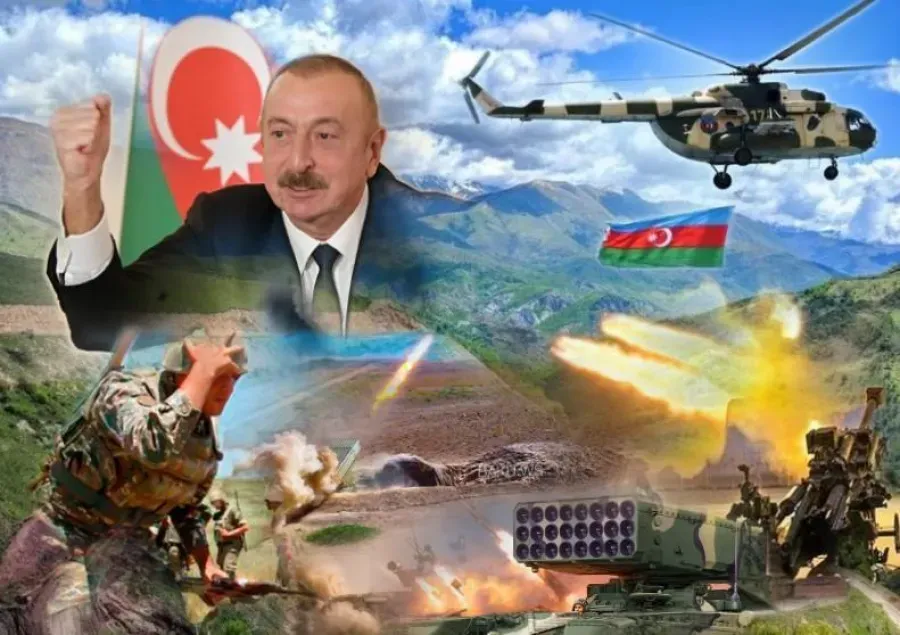
The growing contradiction between Armenian Prime Minister Nikol Pashinyan’s promises of peace and his government’s actual steps is becoming increasingly apparent.
When he came to power in 2018, Pashinyan adopted a hard-line stance towards Azerbaijan. Although he now uses different rhetoric, this does not necessarily indicate a change in his political course. The key issue is not what Pashinyan says, but how consistently he fulfils his promises.
The postponement of commitments to hold a constitutional referendum after the elections and make progress in the peace process raises questions. For Azerbaijan, removing territorial claims from Armenia’s Constitution is one of the key conditions for a peace treaty. Leaving this issue unresolved for an indefinite period only fuels doubts about the prospects for a successful outcome to the negotiations.
If Yerevan is genuinely ready for peace, it should demonstrate this through concrete decisions rather than continually pushing deadlines further into the future and issuing new statements.
The incident involving an Azerbaijani serviceman entering Armenian territory has also highlighted the sensitivity of relations between the two countries. The extensive political debate surrounding the incident and the serviceman’s detention have further complicated an already fragile atmosphere of trust. Turning such border incidents into instruments of political pressure does nothing to advance the peace process.
The question of opening the border with Türkiye can also be assessed in this context. Armenia could benefit economically and regionally from normalising relations with Ankara. However, this does not justify relegating its commitments under a peace agreement with Azerbaijan to the background. If Yerevan views closer ties with Türkiye as an opportunity to avoid concessions in its relations with Azerbaijan, this approach could create further serious problems.
The Pashinyan government must understand that returning to its previous political calculations in relations with Azerbaijan is no longer a viable option. Armenia’s prolongation of the peace process, its failure to resolve the constitutional issue and its politicisation of border incidents are undermining mutual trust.
If Yerevan continues along this course, the risk of renewed tensions in the region will also increase.
The future of peace depends on the steps Pashinyan takes.
Jala Rovshan