
Half a million rally in Tehran, tankers explode in the Strait of Hormuz: What is the Iranian media reporting?
A review of Iran’s media coverage this week makes it clear that outlets such as IRNA, Mehr, Tasnim, Fars and Press TV — Iran’s official and semi-official media organizations — have focused primarily on developments unfolding as part of the “war of pressure” launched by the United States and Israel on February 28, 2026, which has now entered its seventh month.
Throughout the week, the main focus of Iranian media coverage was on promoting national unity and a spirit of resistance, maritime control over the Strait of Hormuz, reported military achievements, and diplomatic activity at the international level.
The week’s most significant and widely resonant event was the “Janfada-ye Iran” (“Sacrifice for Iran”) march and rally held under state organization in Tehran on Friday, September 18, from Imam Hossein Square to Revolution Square. Extensively covered by all major news agencies with photographs and videos, the mass rally was presented as the culmination of a national mobilization campaign that has been ongoing since March. According to official figures, 313,000 people participated in the march itself, while the number of registered participants in Tehran exceeded half a million as hundreds of thousands of people filled the capital’s streets. Nationwide, it was reported that tens of millions of people had joined the campaign. The event was attended by President Masoud Pezeshkian, the leadership of the Islamic Revolutionary Guard Corps (IRGC), clerics, veterans, Basij forces and volunteer formations. Missile and drone systems were displayed, US and Israeli flags were trampled, and sharp slogans were chanted. Basij commander Hossein Taeb declared that the volunteers were fully prepared for defence and would become a nightmare for the enemy. Iranian media presented the rally as the largest demonstration of popular unity since the war began.
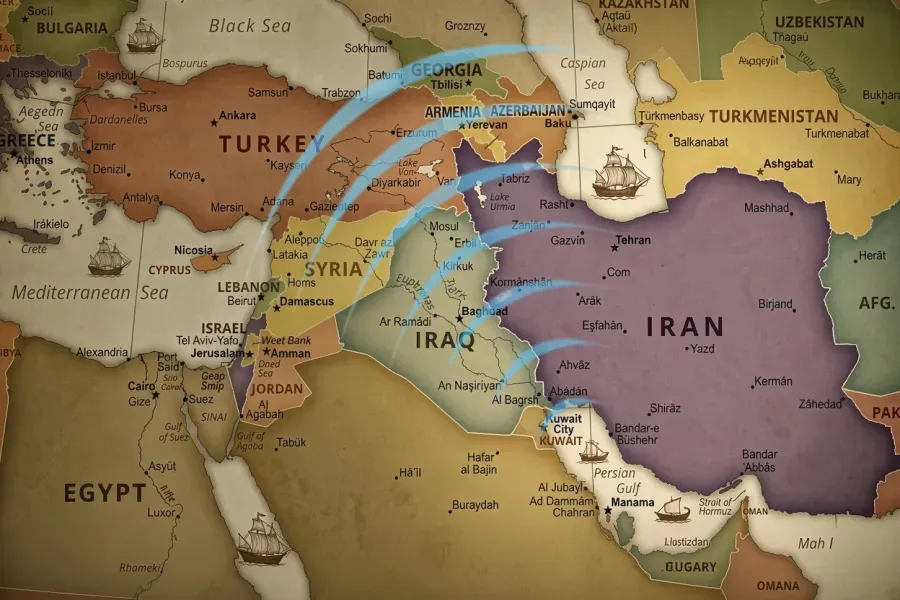
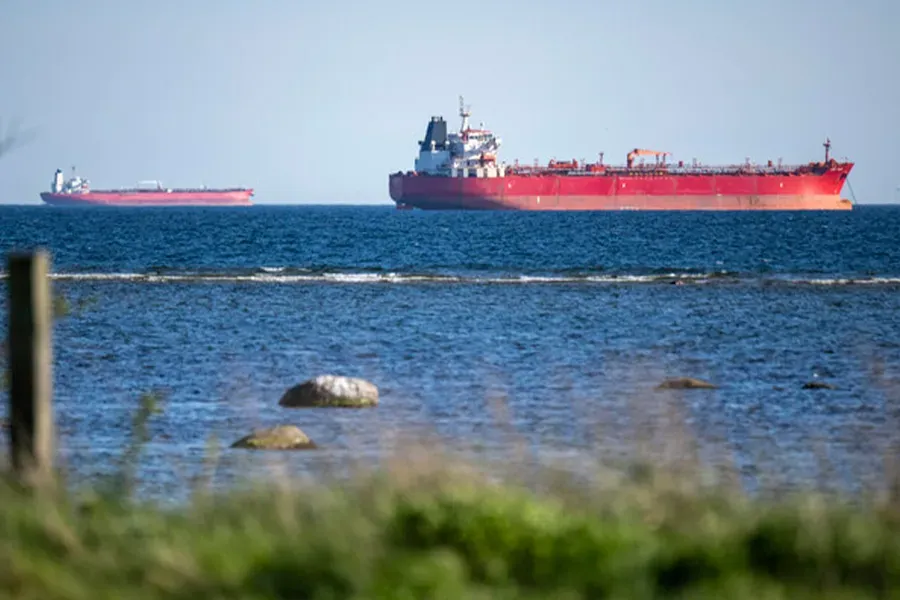
At the same time, the IRGC Navy’s strategic control over the Strait of Hormuz and maritime incidents there remained at the center of the weekly news agenda. On September 14, the supertanker El Gaia struck a naval mine and exploded in southern waters. In addition, Iranian media placed particular emphasis on reports that US MQ-1 and MQ-9 drones were shot down over the Strait of Hormuz and Qeshm Island between September 14 and 17, while on September 18 a tanker flying the Togo flag was targeted for an alleged attempt to make an illegal passage. The sharp decline in vessel traffic through the strait, with only a few ships passing on some days, and the rise in the price of Brent crude to between $100 and $108 per barrel were presented as the result of the strategic advantage Iran had gained under the conditions of the maritime blockade.
The week’s major turning point on the diplomatic and legal fronts was a report released on September 17 by an independent UN fact-finding mission. The report said that US strikes on a school in Minab and a sports complex in Lamerd in February had been carried out indiscriminately and could constitute war crimes. Iranian media, citing statements by Deputy Foreign Minister Kazem Gharibabadi and other officials, emphasized that the United States could not evade responsibility, while also criticizing Washington’s withdrawal from the UN Human Rights Council.
On the diplomatic front, Iran welcomed Russia and China’s veto on September 18 of a draft resolution at the UN Security Council concerning the extension of the mandate of the panel monitoring US sanctions against Iran. The move was portrayed as a sign of the end of the unipolar world order. During Foreign Minister Abbas Araghchi’s visit to China and his meetings with Wang Yi, the message was conveyed that there was no place for outside powers in the regional order. At the same time, Iranian media highlighted the expulsion of a Swedish diplomat from the country, South Korea’s rejection of a request from the Trump administration to send forces to the Middle East, and Iran’s position that it would not enter negotiations unless the war was fully halted and the country’s frozen assets were released.
Iranian media also gave extensive coverage to statements by the military leadership and parliamentary speaker Mohammad Bagher Ghalibaf claiming that effective strikes had been carried out against the United States and Israel, that the “hunting season” for F-35 and F-15 fighter jets had begun, and that projects planned for implementation in Iraqi Kurdistan had been thwarted. Strikes carried out by allied Yemeni Houthi forces against targets and fighter aircraft in Saudi Arabia were presented as a success for the “Axis of Resistance.”
Regarding the nuclear issue, Iranian media emphasized that nuclear knowledge cannot be destroyed, despite the United States creating obstacles to the participation of the person overseeing Iran’s nuclear program in an event held on the sidelines of an IAEA conference. Against the backdrop of domestic developments, including the killing of a Sunni cleric in the country’s southeast, as well as economic pressure, Iranian media concluded the week with a narrative centered on resistance, national unity and strategic advantage. Media reports stressed that the enemy had been weakened and that Iran was approaching victory.
Giymat Mahir