
Turkey faces shock threat in Black Sea: 25 ships hit, Ankara takes action
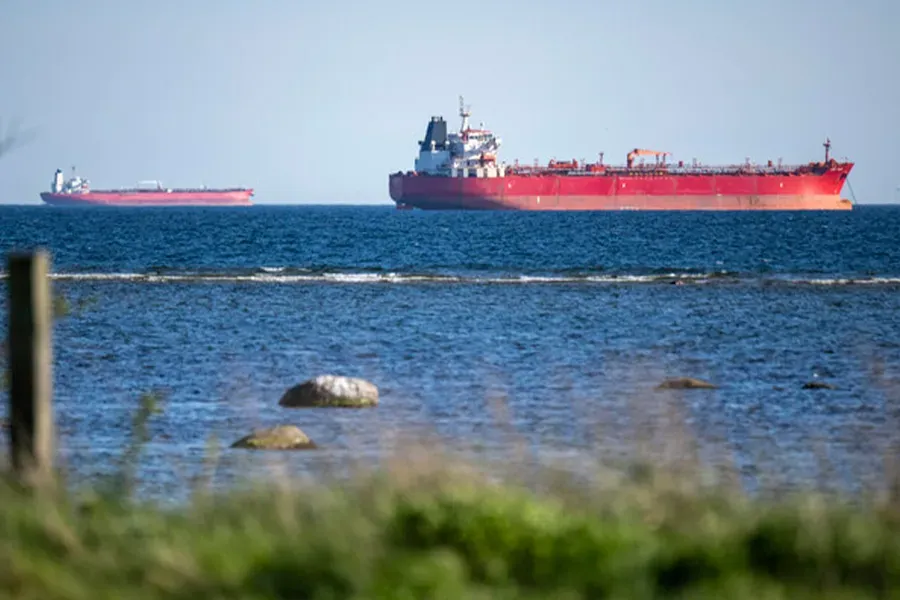
Türkiye has proposed that Russia and Ukraine sign a memorandum on halting attacks on civilian vessels in the Black Sea. The proposal is based on the mechanism of the “Grain Deal” signed in 2022.
According to AFP, a draft agreement has already been presented to the parties. Ankara’s new initiative comes after a series of attacks on Turkish-owned commercial vessels by Ukraine.
According to the report, the draft agreement has been sent to both countries. A Turkish diplomat said the aim is to find a formula acceptable to both sides to prevent attacks on civilian shipping in the Black Sea.
After Russia withdrew from the agreement in 2023, Ukraine established a new route along the coasts of Romania and Bulgaria. However, a 4–5-nautical-mile open stretch remains where vessels enter international waters. The Turkish diplomat described this section as the most dangerous zone and stressed the importance of returning to the experience of the “Grain Deal” to ensure the safety of vessels.
Ankara has also proposed an alternative route along the eastern and southern shores of the sea, namely through the territorial waters of Georgia and Türkiye. The Turkish diplomat noted that, if an agreement is reached, the territorial waters of these neighbouring countries could be used.
Turkish vessels becoming targets
Clashes in the Black Sea in recent months have caused serious damage to Turkish businesses. According to Daily Sabah, at least 25 vessels belonging to Turkish companies have come under attack since late June. Four of them were sailing directly under the Turkish flag.
The most serious incident occurred on July 22. The cargo vessel Reyhan Sarı, which was carrying coal from Russia’s Taman port to Trabzon, came under a UAV attack. One crew member was killed and three others were injured. The vessel’s owner and the seafarers said the attack was carried out by Ukraine and filed an application with the International Criminal Court in September. However, Ankara has not accused Kyiv.
A similar incident occurred on August 3. The vessels Yaşar and Nadezhda, belonging to Turkish companies, were struck by UAVs 20 nautical miles from Novorossiysk, resulting in injuries. Türkiye did not officially blame either side for this incident either.
Nevertheless, the Turkish Foreign Ministry expressed serious concern over attacks on civilian vessels and warned that such incidents would further increase tensions in the Black Sea.
Turkish Foreign Minister Hakan Fidan had already stated on July 16 that even if it was impossible to completely halt the war, attacks on maritime and energy infrastructure should at least be avoided. On August 8, Fidan said proposals for a moratorium on military operations and the establishment of a special mechanism to ensure the safety of commercial vessels had been conveyed to Russia and Ukraine.
In response, the Russian Foreign Ministry claimed that the Ukrainian side attacks vessels belonging to coastal countries several times a month. Moscow said it had not received any official proposal through diplomatic channels and, in the words of Russian Foreign Ministry spokeswoman Maria Zakharova, saw no basis for incomplete steps that would give Kyiv additional time.
How did the “Grain Deal” work?
The agreement concluded in July 2022 with the mediation of Türkiye and the United Nations enabled the safe transportation of food products from Ukraine’s ports of Odesa, Chornomorsk and Pivdennyi. A Joint Coordination Centre established in Istanbul supervised the process. During the period the agreement was in force, nearly 33 million tonnes of food products were delivered to world markets.
However, in July 2023, Russia refused to extend the agreement. Moscow justified the decision by citing the failure to meet its demands concerning the part of the agreement related to Russian exports, including the return of Rosselkhozbank to the SWIFT system, insurance for vessels and the removal of obstacles to fertilizer supplies.
After that, Ukraine sought to resume cargo transportation by opening a coastal maritime corridor at its own risk.
Giymat Mahir