The blow that could bring Iran down may come from within, not from abroad.
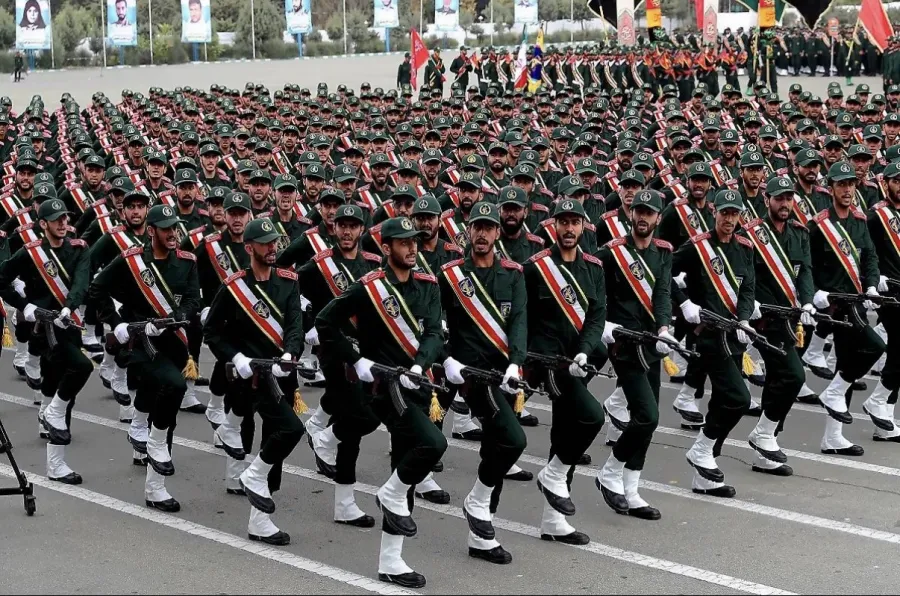
The possibility of the United States bombing Iran, Kurdish and Baloch armed groups launching an uprising, and the Islamic Republic nevertheless remaining in power for another year has been raised.
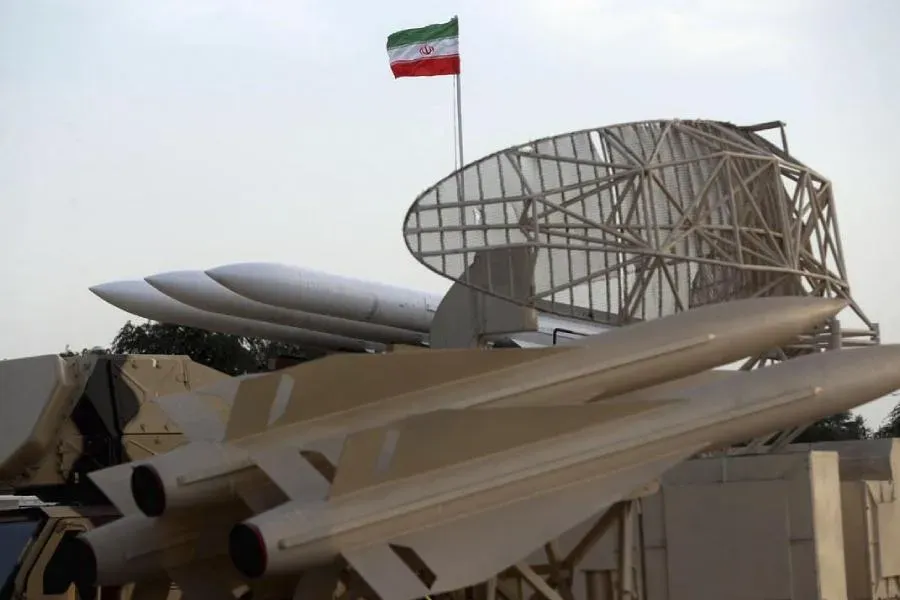
TodayPress TV reports, citing the “Monte Cristo” account on “X”, that Washington’s planned military strategy is aimed at Iran’s missile arsenal, energy sector and the command structure of the Islamic Revolutionary Guard Corps (IRGC). However, according to Western intelligence cited by Bloomberg, Iran has managed to retain around 75% of its missile capabilities despite months of strikes.
Add the possibility of uprisings in border regions, and many capitals expect the regime to collapse within a short period.
Our forecast, however, is different: not a swift collapse, but a long and brutal war.
Could US airstrikes, combined with Kurdish and Baloch insurgents, overthrow the Islamic Republic?
Why might forces in remote regions fail to achieve victory?
In Iran’s southeastern Baloch region, 63 armed incidents were recorded between March 31 and October 10. No group has claimed responsibility for most of these incidents. The insurgents have yet to gain control of even a single city.
Armed groups that cannot hold territory are unable to protect the people who join them. Yet this is one of the most important conditions for any uprising to succeed.
In 1991, Iraqi Kurds rose up immediately after US bombing raids, believing Washington would support them. However, Saddam Hussein crushed the uprising within a matter of weeks.
Why is the central government holding its ground?
Iran has been preparing for precisely this kind of war since the 1980s. The IRGC relies on a strategy known as “mosaic defence”. Under this system, each province has its own command structure, allowing local units to continue fighting independently even if communications with Tehran are cut off or the country’s leadership is taken out.
Backing them is the Basij, a volunteer paramilitary force that, according to analysts’ estimates, has the capacity to mobilise up to one million people.
The most strategically important missiles are hidden deep inside mountains, making them difficult to reach through airstrikes.
Moreover, the regime has faced similar circumstances before. Iran survived an eight-year war with Iraq and emerged from it not weaker, but with a more tightly controlled and centralised system.
Why could a prolonged war still produce results?
Bombing can destroy an army, but it cannot determine who will take power in Tehran. Regimes collapse when divisions emerge at the centre: when the IRGC fractures, the regular army refuses to obey orders, or mass protests erupt in the streets of the capital.
A short-term air campaign rarely produces such an outcome.
A prolonged war of attrition, however, could change that. As the months pass, missile stockpiles are depleted, the economy weakens, and the IRGC is forced to spread its forces across all border provinces. Such chaos could create new opportunities that no one can foresee today.
A coup within the security forces, a negotiated transfer of power, or the emergence of an alternative centre of power — none of these scenarios currently appears likely. But the longer the pressure continues, the greater the possibility that one of them could materialise.
The alternative scenario:
The main counterexample to this forecast is Libya in 2011. Backed by NATO air power, rebel forces achieved victory in approximately seven months.
If the centre of power in Iran fractures sooner than expected, the war could end much faster than we predict.
In short, a swift victory is unlikely. The regime may survive the initial strikes, but a prolonged war of attrition could become the main factor undermining it. The key development to watch is not the next insurgent attack, but the first signs of a split within the IRGC.
Zahra Mammadova