Do houseplants really clean the air? – Here’s what scientific studies say
Since people spend a large part of their day at home, in offices and other enclosed spaces, indoor air quality is particularly important for health. Indoor air pollution can be associated with dust, mould, smoke, household chemicals, volatile organic compounds released from construction materials and other pollutants. High concentrations of these substances can cause headaches, irritation of the eyes and respiratory tract, allergic reactions and, in some cases, breathing difficulties.
One of the main factors affecting indoor air quality is poor ventilation. When windows remain closed for extended periods and fresh air cannot enter, carbon dioxide, moisture and various pollutants can accumulate. In rooms with high occupancy, insufficient air exchange may be accompanied by fatigue, reduced concentration and feelings of discomfort. Therefore, regularly ventilating rooms is one of the key measures for maintaining good indoor air quality.
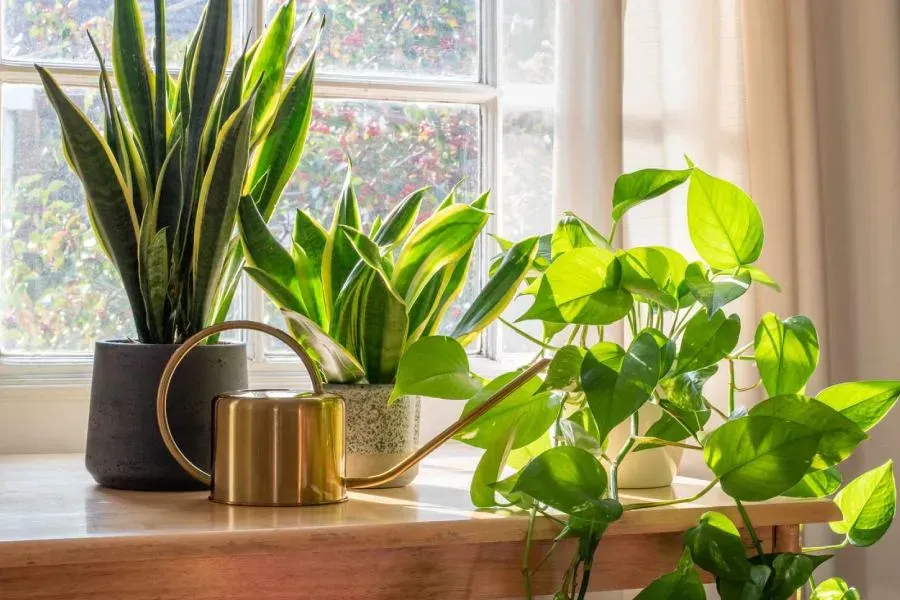
Houseplants are not merely decorative features in indoor spaces. Through photosynthesis, they absorb carbon dioxide and release oxygen. Plants can also absorb certain volatile organic compounds through their leaves and roots. Some studies conducted under laboratory conditions have shown that houseplants can reduce the levels of certain chemicals in the air. However, there is no evidence that these findings translate into equally effective results in ordinary homes and offices.
One of the most widely discussed studies on the impact of houseplants on air quality was conducted by NASA in 1989. The research found that certain plants could help reduce benzene, formaldehyde and other volatile organic compounds in enclosed environments. However, the study was conducted primarily under laboratory conditions. Subsequent scientific analyses have shown that an extremely large number of plants may be needed to achieve a noticeable reduction in air pollutants in real-life indoor spaces. Therefore, houseplants cannot be considered a substitute for ventilation or air purification systems.
Another possible effect of houseplants is their influence on indoor humidity. Through a process known as transpiration, plants release water vapour into the air through their leaves. This can slightly increase humidity in dry environments. However, the extent of this effect depends on the number of plants and the size of the room. Excessive humidity, in turn, can create favourable conditions for mould growth. For this reason, it is important to avoid overwatering plants.
The possibility of mould and other microorganisms developing in plant soil should also be taken into account. Constantly damp soil, excess water accumulating in pots and decaying leaves that are not removed in time can contribute to mould growth. This may aggravate respiratory irritation in people with allergies or asthma. Therefore, water should not be allowed to accumulate in plant pots, the soil should be checked regularly and plants should be properly maintained.
To maintain good indoor air quality, the first step is to reduce sources of pollution. Cigarette smoke should be kept out of indoor spaces, kitchen ventilation systems should be used while cooking, and manufacturers’ instructions should be followed when using household cleaning products. Regular dust removal and timely replacement of air-conditioning and ventilation system filters are also beneficial. Weather permitting, opening windows and allowing fresh air to circulate is important.
Controlling humidity is another essential aspect of maintaining a healthy indoor environment. The US Environmental Protection Agency recommends keeping indoor relative humidity below 60%, ideally between 30% and 50%. High humidity can encourage the growth of mould and dust mites. If damp patches appear on walls, condensation persists on windows or mould spots become visible, the underlying cause should be addressed.
In conclusion, houseplants add aesthetic appeal to homes and workplaces, strengthen people’s connection with nature and may have a positive effect on psychological well-being. However, it is inaccurate to assume that they completely purify the air or eliminate harmful substances. Scientific research indicates that a typical number of potted plants does not significantly reduce indoor air pollutants under real-world conditions. Therefore, the main focus in creating a healthy indoor environment should be on proper ventilation, eliminating sources of pollution, maintaining cleanliness and controlling humidity.
Aysel Matlab