Foods that boost children’s immune systems – What should parents pay attention to?

A healthy diet plays an important role in ensuring the proper development of children’s immune systems and strengthening their ability to fight infections.
As the body’s defence mechanisms develop during childhood, it is essential at this stage to ensure an adequate intake of vitamins, minerals and other nutrients. A balanced diet supports the functioning of immune cells, promotes tissue development and helps the body maintain its resistance to disease.
Protein is particularly important for the normal functioning of the immune system. It contributes to the production of antibodies and other protective molecules that are essential components of the immune system. Children’s daily diets should include sources of protein such as eggs, fish, chicken, dairy products, beans, lentils and chickpeas. Protein deficiency can negatively affect a child’s growth and the normal functioning of the immune system.
Among vitamins, A, C and D play important roles in immune defence. Vitamin A helps maintain healthy skin and mucous membranes, supporting the body’s first line of defence against microorganisms. Vitamin C contributes to the functioning of immune cells and has antioxidant properties. Vitamin D helps regulate the immune system and is also essential for healthy bones and muscles. To ensure an adequate intake of these vitamins, children’s diets should include foods such as carrots, pumpkin, citrus fruits, kiwi, eggs and fish.
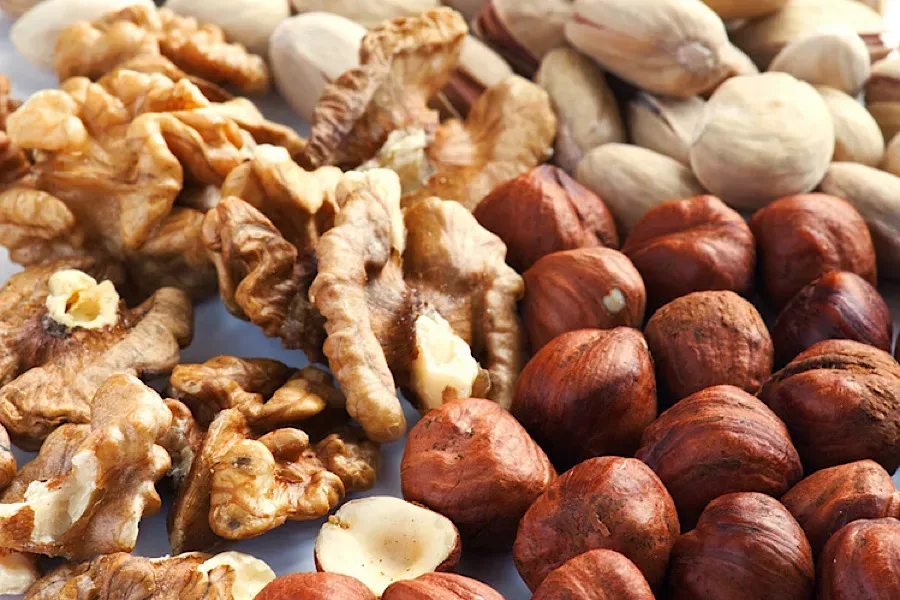
Zinc is one of the essential minerals for the normal functioning of the immune system. It contributes to the development of immune cells, tissue repair and wound healing. Zinc deficiency can weaken the body’s ability to defend itself against infections. Meat, fish, eggs, dairy products, legumes and certain nuts are natural sources of this mineral. It is particularly important to include zinc-rich foods in the diets of infants who have started eating solid foods.
Gut health also affects the functioning of children’s immune systems. Beneficial microorganisms, collectively known as the gut microbiota, play a role in digestion, the synthesis of certain vitamins and the regulation of immune defence. Fermented dairy products such as yoghurt and kefir, as well as vegetables, fruits, oats and other fibre-rich foods, can support the diversity of the gut microbiota. Fibre serves as a food source for beneficial gut bacteria.
Attention should also be paid to including a variety of fruits and vegetables in children’s daily diets. Plant-based foods of different colours are rich in various vitamins, minerals and antioxidants. Apples, oranges, kiwi, strawberries, broccoli, spinach, tomatoes and peppers can help enrich a child’s diet. According to World Health Organization recommendations, children aged 2–5 should consume at least 250 grams of fruit and vegetables per day, while those aged 6–9 should consume 350 grams.
In addition, it is important to ensure that children drink enough water. Water plays a role in metabolism, digestion and the regulation of body temperature. Excessive consumption of sugary carbonated drinks, packaged juices and other products high in sugar, however, can hinder the development of healthy eating habits. For this reason, it is preferable for children to meet most of their daily fluid needs by drinking clean water.
Supporting immunity involves not only eating nutritious foods but also limiting unhealthy eating habits. Fast food, excessively salty and sugary products, as well as highly processed foods, should not make up a significant part of a child’s diet. Frequent consumption of such products can disrupt a balanced diet and increase the risk of excess weight and other health problems. Meals prepared at home and containing a variety of food groups are a healthier choice.
Another issue parents should pay attention to is the uncontrolled use of vitamin and mineral supplements. If a child follows a balanced diet, multivitamin supplements are generally unnecessary in most cases. Excessive intake of vitamins, particularly vitamins A and D, can pose health risks. The use of supplements should be determined by a paediatrician according to the child’s age, diet and individual needs. It is especially important to follow recommendations regarding vitamin D supplementation in infants.
In conclusion, in addition to proper nutrition, adequate sleep, regular physical activity, personal hygiene and timely vaccinations all play important roles in the healthy development of children’s immune systems. No food or vitamin can protect a child from all infections. The main goal is to provide the body with the nutrients it needs through a varied and balanced diet. Establishing healthy eating habits from an early age lays an important foundation for a child’s health, both now and in the future.
Aysel Matlab