Tobacco smoke harms non-smokers too: The hidden dangers of passive smoking
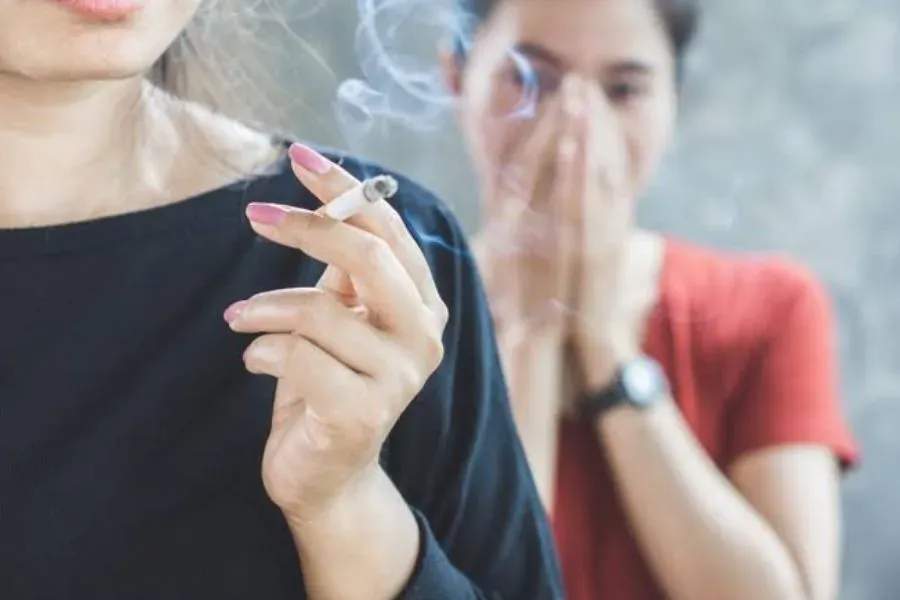
Passive smoking occurs when people who do not use tobacco inhale cigarette smoke from those around them.
In this situation, a person breathes in both the smoke released into the air by a burning cigarette and the smoke exhaled by the smoker. Although many people believe that secondhand smoke is dangerous only in enclosed, poorly ventilated spaces, its effects are much broader. According to the World Health Organization, there is no safe level of exposure to secondhand tobacco smoke.
Tobacco smoke contains more than 7,000 chemicals. Hundreds of them are toxic, while approximately 70 have the potential to cause cancer. When inhaled, these substances enter the lungs and affect various systems of the body. Even short-term exposure can cause adverse changes in the cardiovascular system and respiratory tract.
One of the most serious consequences of passive smoking is its impact on cardiovascular health. Harmful substances in tobacco smoke can damage the inner lining of blood vessels, disrupt normal blood circulation and increase the likelihood of blood clots. People who are regularly exposed to smoke face a higher risk of coronary heart disease and stroke. According to the US Centers for Disease Control and Prevention (CDC), secondhand smoke increases the risk of heart disease by 25–30% and the risk of stroke by 20–30%.
The respiratory system is also particularly vulnerable to secondhand smoke. Chemicals in the smoke can irritate the airways, causing symptoms such as coughing, a burning sensation in the throat, shortness of breath and wheezing. Prolonged exposure can also increase the risk of lung cancer. Research suggests that non-smokers who are regularly exposed to tobacco smoke have a 20–30% higher risk of developing lung cancer.
Passive smoking poses an even greater danger to children because their respiratory and immune systems are still developing. Children exposed to tobacco smoke are more likely to develop bronchitis, pneumonia, middle ear infections and asthma attacks. In addition, smoke can slow lung development and cause coughing and breathing difficulties. Children with asthma may experience more frequent and severe attacks.
Infants must also be protected from the harmful effects of secondhand smoke. Exposure to tobacco smoke, particularly during the first year of life, increases the risk of sudden infant death syndrome (SIDS). This effect is believed to be linked to interference with the mechanisms in infants’ brains that regulate breathing. Therefore, it is particularly important to ensure that no one smokes in homes or vehicles where infants are present.
Exposure to secondhand smoke during pregnancy also poses risks to the health of both the mother and the unborn child. Substances such as nicotine and carbon monoxide in tobacco smoke can negatively affect oxygen transport in the body and blood circulation. Regular exposure during pregnancy increases the likelihood of giving birth to a baby with low birth weight. Some studies have also linked this exposure to premature birth and other pregnancy complications.
Another important aspect of passive smoking is that smoke can linger in enclosed spaces for a long time. After a cigarette is smoked, harmful substances can remain in the air and settle on furniture and other surfaces. Opening windows or using fans and air conditioning does not completely eliminate exposure to smoke. Even smoking in a separate room is not enough to protect other people in the household.
The most effective way to protect against the harmful effects of secondhand tobacco smoke is to completely prohibit smoking inside homes, vehicles and enclosed public spaces. Ventilation and air purifiers may reduce exposure, but they cannot eliminate it entirely. Therefore, quitting tobacco use is an important step smokers can take to protect the health of their family members and those around them.
Aysel Matlab