Three leaders could divide the world among themselves in two weeks
History is full of secret, behind-the-scenes deals that have changed the course of humanity.
The famous Tehran Conference of November 1943, which brought together the leaders of the “Big Three” — Stalin, Roosevelt and Churchill — did more than approve Operation Overlord, the Allied invasion of Normandy, against Nazi Germany. The meeting effectively laid the early foundations for dividing the world into spheres of influence after the defeat of fascism, shaping the contours of the Cold War and a new global order. The decisions made at the time formed the backbone of the international relations system for more than half a century.
Today, more than 80 years later, humanity is approaching a similar turning point: the Tehran-43 paradigm is being replaced by the Shenzhen-26 format.
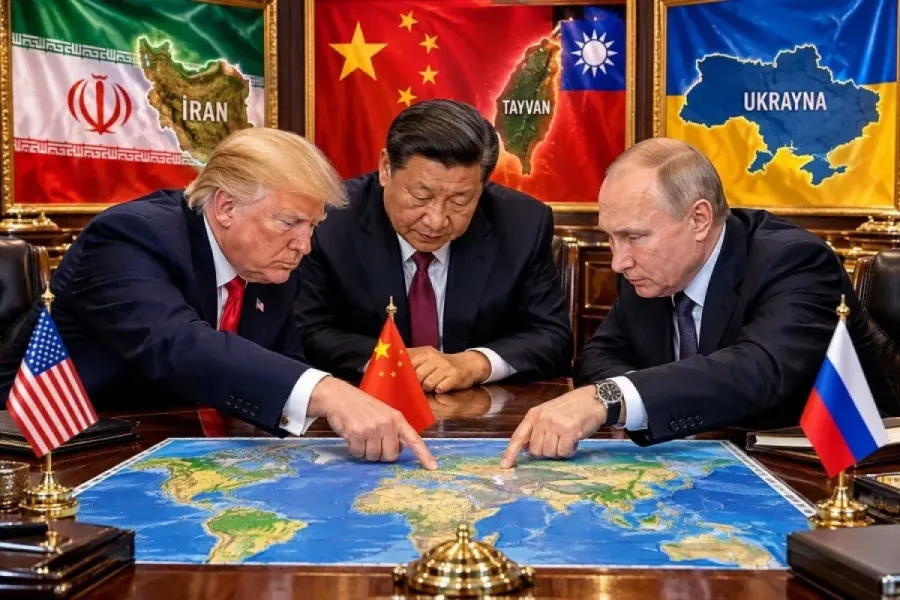
Trilateral strategic contacts planned in China over the next two weeks, involving major global power centres, are no ordinary diplomatic meetings. If this closed-door summit takes place, each superpower is expected to put its red lines, security demands and spheres of influence on the table in the strongest possible terms.
China, now an economic and technological giant, has taken the place once occupied by the United Kingdom at the 1943 conference table. However, Britain cannot be dismissed as an irrelevant player. In the 21st century, London has retained its influence not so much through direct involvement, but through “shadow diplomacy” and intelligence networks that operate behind the scenes and help shape regional alliances.
The issues on the table are far more complex — and potentially explosive — than those discussed in 1943:
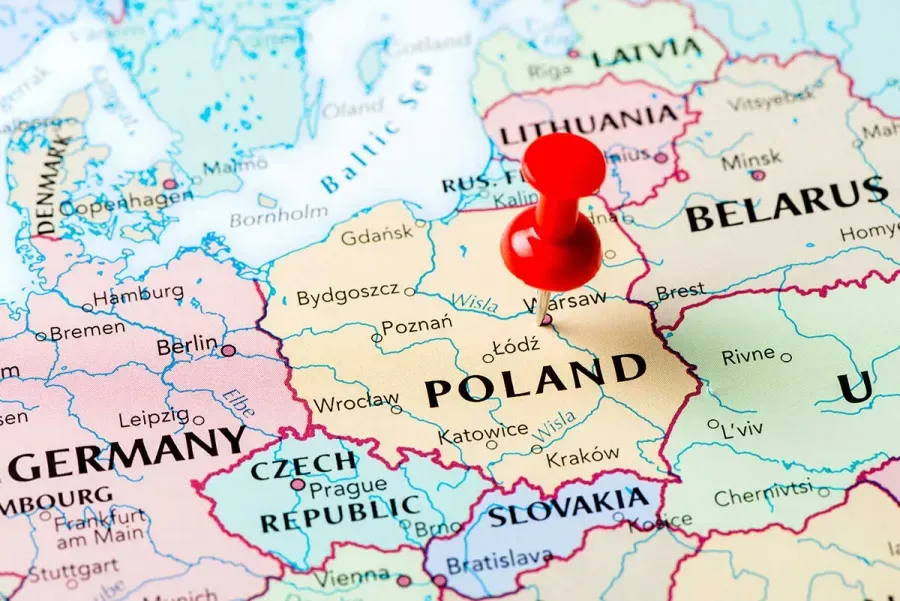
Ukraine and the security architecture of Eastern Europe: The potential boundaries between Russia and the West, as well as the formation of buffer zones, are among the most contentious issues.
Taiwan and the Pacific region: This remains the most sensitive and volatile flashpoint in the struggle for global leadership between the United States and China.
Iran and the Middle East:
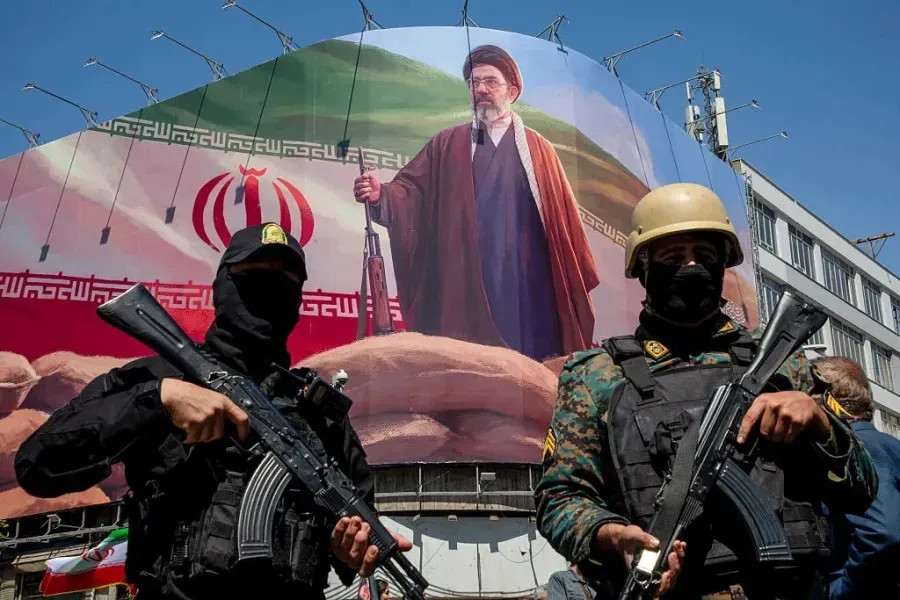
In 1943, the major powers agreed to preserve Tehran’s independence and territorial integrity. Today, the situation is fundamentally different. This time, Iran is portrayed not as an independent participant at the table of global powers, but as a central subject of discussions over potential partition or division into spheres of influence. The security of the Gulf region will depend directly on Tehran’s fate.
The South Caucasus and Central Asia:
The strategic interests of both East and West collide over this region, a key energy and logistics corridor across Eurasia.
Against the backdrop of these upheavals, the most decisive question concerns the future of countries such as Azerbaijan, located at a major geostrategic crossroads. The world is now far removed from the relatively stable bipolar system of the Cold War. In the current climate of turbulence, maintaining neutrality is becoming increasingly difficult.
Baku’s long-standing policy of balanced foreign relations, as well as its non-aligned stance within the Non-Aligned Movement, could lose some of its protective power amid a new wave of polarisation. As major powers seek to redraw the global map, they may leave little room for grey zones or countries seeking to remain “equidistant from everyone”. Each side may demand a clear and unequivocal choice.
For Azerbaijan, a key country in the South Caucasus, the next phase promises both significant threats and historic opportunities. Time will tell how behind-the-scenes decisions reached in Shenzhen will affect our region and how the cards will be reshuffled. One reality is clear: the world is experiencing the birth pangs of a new order, and no one will emerge from this process without pain.
Ismayil Shahli