Why is the Zangezur corridor a concern for Iran? Tensions rise in the region
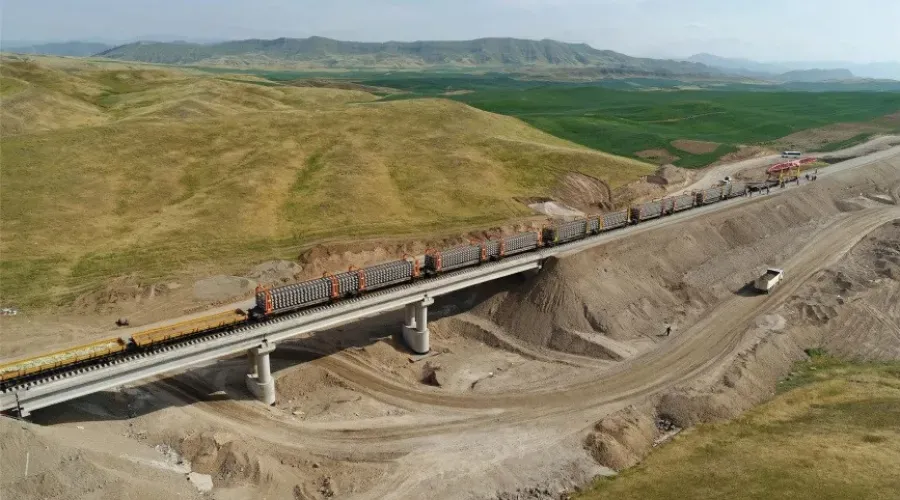
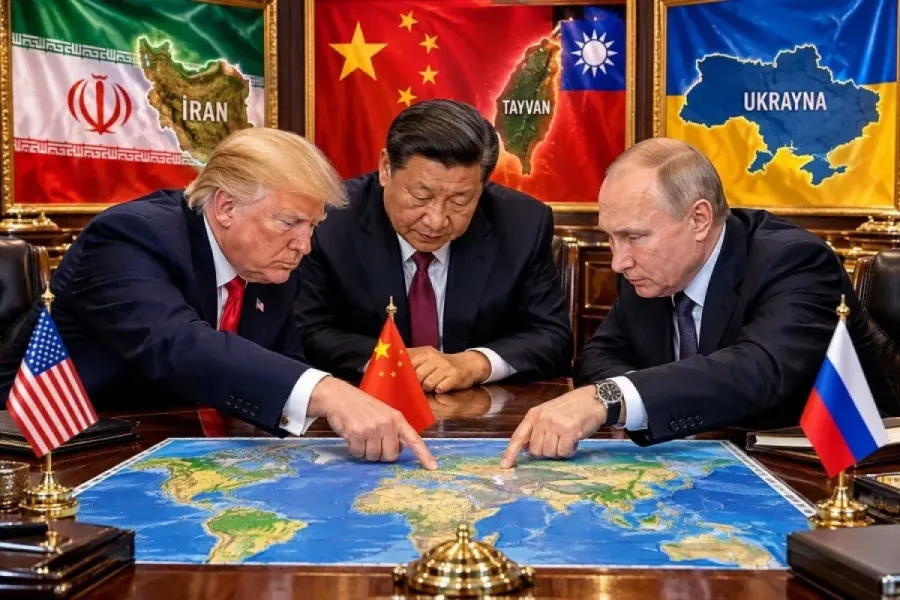
A major geopolitical confrontation and a potential redrawing of borders in the South Caucasus are entering a decisive phase.
TodayPress TV reports, citing NOCOMMENT.az, that the next stage of the border delimitation process between Azerbaijan and Armenia could take place sooner than expected under the framework of the Trump Route for International Peace and Prosperity (TRIPP), also known as the Zangezur corridor.
In a notable statement on the issue, Armenian Deputy Prime Minister Mher Grigoryan said there was a very high likelihood that delimitation work related to the network and communications infrastructure planned for the TRIPP project in the Syunik (Zangezur) province would be carried out ahead of schedule, on an extraordinary basis.
The deputy prime minister stressed that Yerevan intends to immediately begin designing the electricity transmission lines, a new highway and railway infrastructure envisaged under the strategy. Armenian Prime Minister Nikol Pashinyan expressed a similar position in a parliamentary address on November 2, saying that the government was officially launching separate procurement processes for the railway, road transport routes and power transmission lines planned under TRIPP.
According to Pashinyan, the ratified mega-project will enable Armenia to overcome the economic and geographical blockade it has faced for more than 30 years.
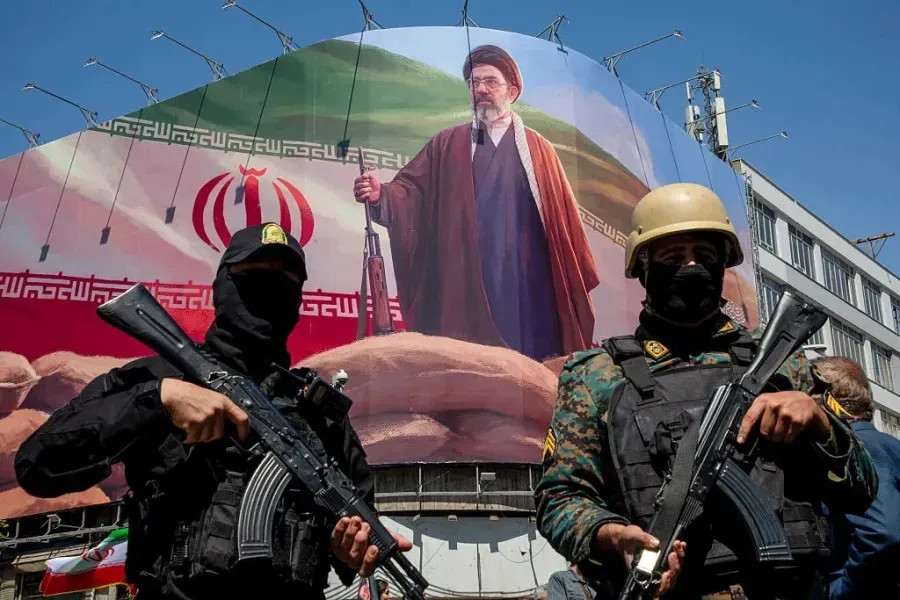
However, as the Zangezur corridor approaches implementation, Iran’s regional concerns and reaction have once again reached a peak. Iran’s ambassador to Armenia, Khalil Shirgholami, told journalists that Tehran was seriously concerned about the potentially adverse consequences of the TRIPP programme for the region.
The diplomat stressed that Armenia’s territorial integrity and national sovereignty must be strictly respected throughout the process, and that no third party should be allowed to undermine Iran-Armenia strategic relations.
According to the ambassador, Iran’s fundamental demand is that no foreign military contingent be deployed along the Armenia-Iran border and that no base posing a threat to Iran be established in those areas.
Shirgholami said that although officials in Yerevan had provided assurances that no such scenario would materialise, Tehran did not intend to rely solely on verbal political statements and was demanding the establishment of concrete oversight mechanisms for the project’s implementation.
Tehran considers it essential to establish a dedicated format for discussions with Yerevan to address any issues directly. This situation suggests that Iran is deeply concerned about the possible presence of US or other Western forces along the Zangezur corridor. If Tehran’s geopolitical influence in the South Caucasus is undermined, the risk of a new military confrontation in the region could grow.
Political analyst Elchin Khalidbeyli, commenting on the issue, said recent developments surrounding the Zangezur corridor and the TRIPP project had entered a critical geopolitical phase that could determine the future of the South Caucasus.
“Armenia’s leadership, with direct US support, is seeking to accelerate delimitation work in Zangezur and begin project planning. This is in sharp conflict with the interests of regional powers, particularly Iran. Tehran understands that the launch of this route could deprive it of its transit monopoly through Armenia and its military-political levers of influence in the region. That is precisely why Iranian diplomacy is seeking to defend its position through public statements while also laying the groundwork behind the scenes to demonstrate its strength,” he said.
According to the analyst, the strong and conditional statements made by Iran’s ambassador to Armenia, Khalil Shirgholami, should effectively be viewed as Tehran’s latest warning.
“Iran considers the emergence of US, NATO or other external Western military or intelligence structures along its borders, under the guise of peace and transport projects, a direct threat to its national security and a red line. No matter how many assurances the Armenian government provides, verbal promises carry no weight for Tehran. Iran understands that the Pashinyan administration is seeking to bring external powers into the region through security arrangements with the West. This significantly increases the risk of a direct military confrontation or local conflict between Iran and the West in the Zangezur corridor area,” he said.
The analyst noted that Armenia’s unbalanced and dangerous policy was the main factor fuelling the risk of a new conflict in the region.
“If Armenia’s leadership attempts to bring foreign military or security elements into the corridor without addressing Iran’s concerns and while disregarding the interests of regional countries, Tehran may also put military options on the table.
“Iran’s possible deployment of troops along the border in the Zangezur direction or the adoption of pre-emptive measures are among the scenarios that cannot be ruled out. For Azerbaijan, the main principle is the safe and unhindered opening of the corridor. However, if Armenia becomes a tool in the confrontation between the West and Iran, Zangezur could cease to be a peace corridor and turn into a bloody battleground for major powers. Against the backdrop of all these threats, the developments unfolding in Zangezur could determine the South Caucasus’s new military and geopolitical map,” he said.
Zahra Mammadova