Last traces of a lost people discovered: centuries old mystery uncovered in Greenland
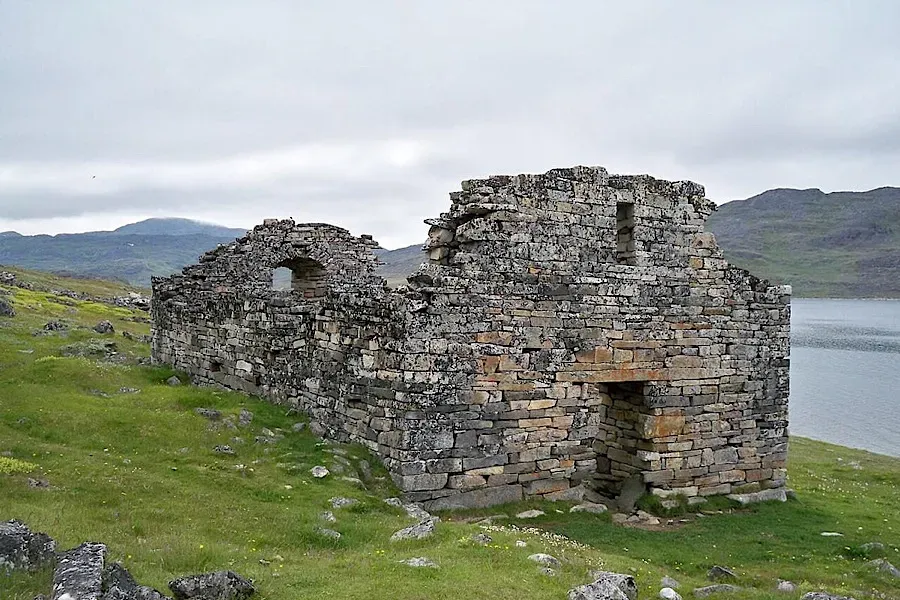
Archaeologists have discovered the remains of a religious building in southern Greenland, believed to date back to the 13th century. The find could provide new insights into the lifestyle and economic activities of the Norse settlers who once inhabited the island, as well as the reasons behind their eventual departure.
TodayPress TV reports citing “Futura Sciences”, that the discovery was made in the Qinngua area near Narsarsuaq.
According to archaeologist Kristian E.K. Madsen, who led the excavations, the exact location of the structure was identified during research conducted late last year.
The building is estimated to have been 8–10 metres long and 3–4 metres wide. At least one grave has also been found at the site.
One of the most significant aspects of the discovery is that three farms were located around the church. Archaeologists believe their inhabitants shared land and natural resources. Madsen described this type of settlement as an early form of a rural community.
Research indicates that the Norse settlers relied more on marine hunting than agriculture for their livelihoods. Due to the harsh climate and short growing season, they primarily hunted walruses, polar bears and narwhals. The animals’ tusks and hides were traded in European markets, as well as in the Middle East and Central Eurasia.
“The farms in the Qinngua area served as a base for marine hunting”,-Madsen said.
According to the archaeologist, the church was part of a network of small Christian places of worship operating in Greenland. He noted that these were among the first Catholic churches in North America.
The Norse arrived in Greenland in the late 10th century. From around 1200 onwards, the ancestors of modern Inuit people also began settling on the island. The two communities coexisted in the region for approximately 250 years.
However, Norse settlements in Greenland gradually declined. Factors believed to have contributed to their disappearance include falling temperatures, declining soil fertility, reduced demand for walrus ivory and weakening maritime connections, which left the island increasingly isolated.
The Norse settlements had been abandoned by 1450 at the latest.
Archaeologists hope that further excavations will help them better understand how the community developed and what factors ultimately led to its collapse.
Kubra Musayeva