
What is Iran, which opposes TRIPP, seeking in the post-Soviet space? – OPINION
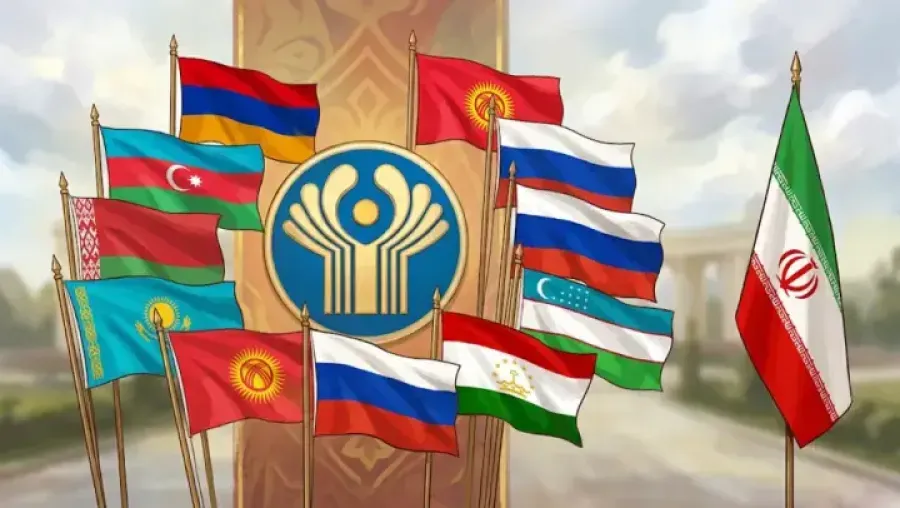
Iran is preparing to join a new platform in an effort to expand its political and economic influence in the post-Soviet space. Tehran wants to participate in the Commonwealth of Independent States (CIS) “CIS+” format, an initiative that has received a positive response within the organisation. CIS Secretary-General Sergei Lebedev has announced that Iran could become the first country to obtain this status.
The question is: what is Tehran, which opposes TRIPP, seeking in the post-Soviet space?
Political analyst Yusif Bagirzade spoke to TodayPress TV on the issue.
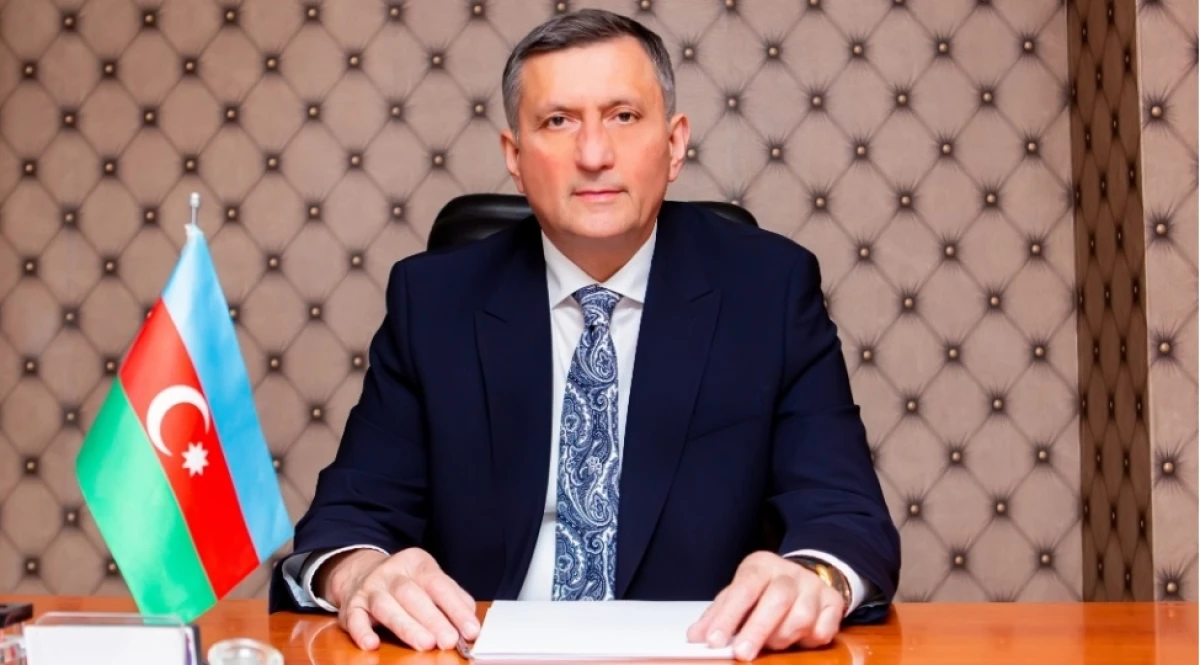
He noted that one of the main reasons behind Iran’s initiative to join the CIS+ format is its desire to expand its circle of political and economic partners amid a complicated international situation:
“Iran’s initiative to join cooperation with the Commonwealth of Independent States in the ‘CIS+’ format reflects Tehran’s growing interest in the post-Soviet space as part of its foreign policy. It is known that Iranian President Masoud Pezeshkian proposed establishing a ‘CIS members + Iran’ format at the CIS summit held in Turkmenistan in October this year. On November 26, CIS Secretary-General Sergei Lebedev announced that the matter was under discussion and that Iran could become the first country to obtain this status.
“This initiative should primarily be viewed as an attempt by Iran to expand its circle of political and economic partners amid a complicated international situation. Western sanctions, tensions in relations with the United States and security problems in the Middle East are pushing Tehran to seek alternative economic and diplomatic platforms. The CIS region offers Iran significant opportunities in terms of a large market, energy cooperation and international political coordination.”
According to him, one of the main areas of interest for Iran in the post-Soviet space is transport and logistics connectivity. Tehran is seeking to expand its transit capabilities in this field:
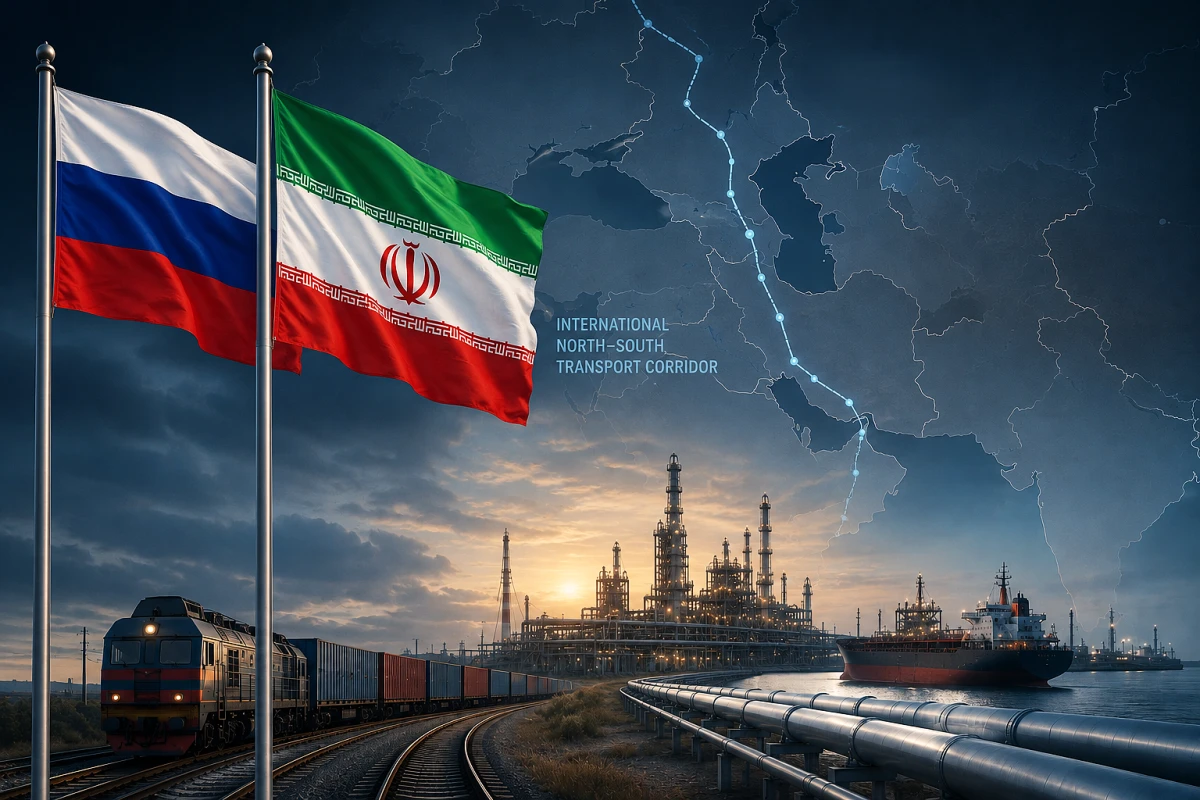
“Iran presents itself as an important transit country connecting Central Asia, the Caucasus and Europe with the Persian Gulf and the Sea of Oman. In particular, the International North–South Transport Corridor, shipments across the Caspian Sea basin and Iran’s Chabahar Port are key elements of this strategy. During his address at the CIS summit, Pezeshkian also stressed the importance of developing transport routes as complementary rather than competing projects.”
The political analyst believes that Tehran’s interest in the CIS region cannot be explained solely by economic factors:
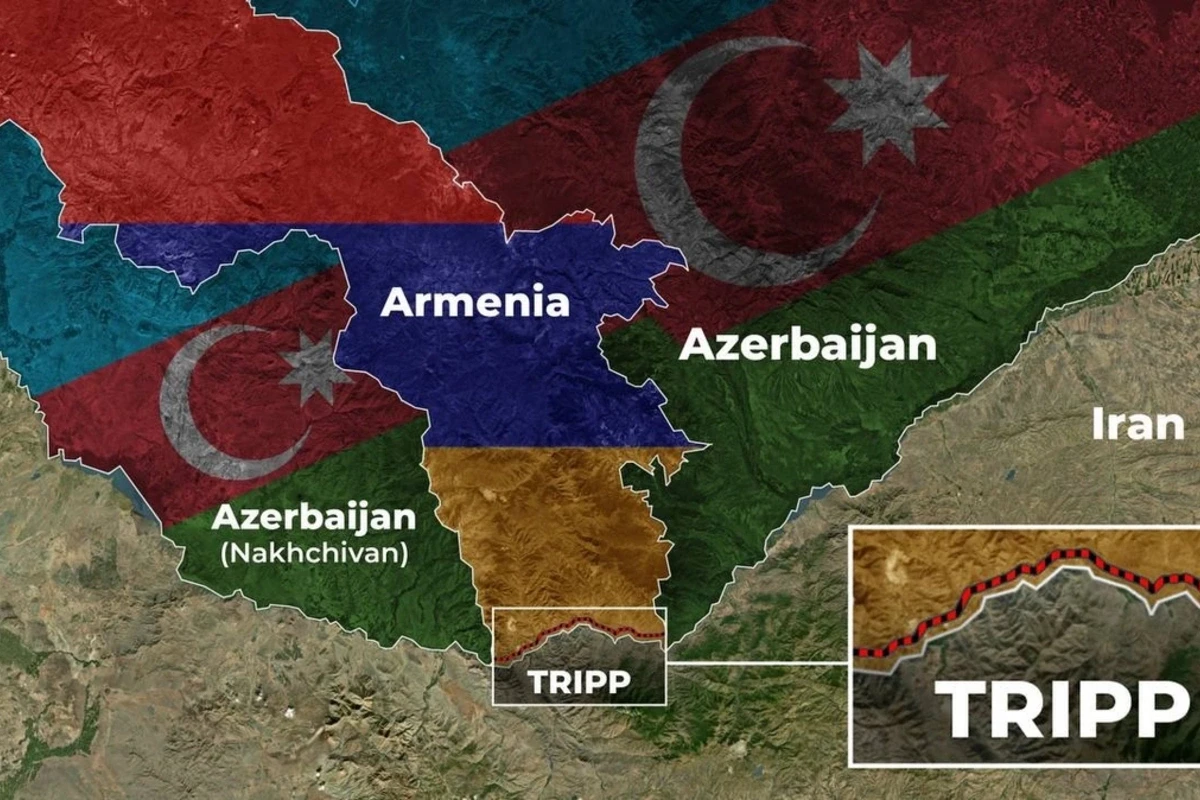
“Tehran considers the expansion of Western influence in the region, particularly the more active involvement of the United States in the South Caucasus, a sensitive issue from the perspective of its security interests. In this regard, Iran’s position on the TRIPP project deserves particular attention. Although Iran has stated that it does not fundamentally oppose the project being implemented within the framework of Armenia’s sovereignty and territorial integrity, it makes no secret of its concerns about a possible US security and military presence in the region. Tehran believes that any change in the geopolitical significance of the Armenia–Iran border could affect its ties with the South Caucasus and its regional influence.”
The analyst also said that the TRIPP project would inevitably have an impact on Iran’s traditional transit role in the region:
“Until now, the use of Iranian territory to ensure overland connectivity between Azerbaijan and Nakhchivan has provided Tehran with certain economic revenues and room for political manoeuvre. The launch of a new transport link could create an alternative route and reduce this dependence. Iran’s promotion of the Araz Corridor project also demonstrates its desire to preserve its transit opportunities in the region and maintain its position as an alternative transport hub.
“It is precisely in this context that joining the CIS+ format could give Tehran an opportunity to develop more systematic relations with post-Soviet countries, increase its participation in regional transport and energy projects, and strengthen political coordination with Russia and Central Asian states. In other words, Iran wants to remain an important geopolitical actor in a region where Western influence is expanding.”
Jala Rovshan