
UN leadership crisis: US and Russia clash over Guterres’s successor
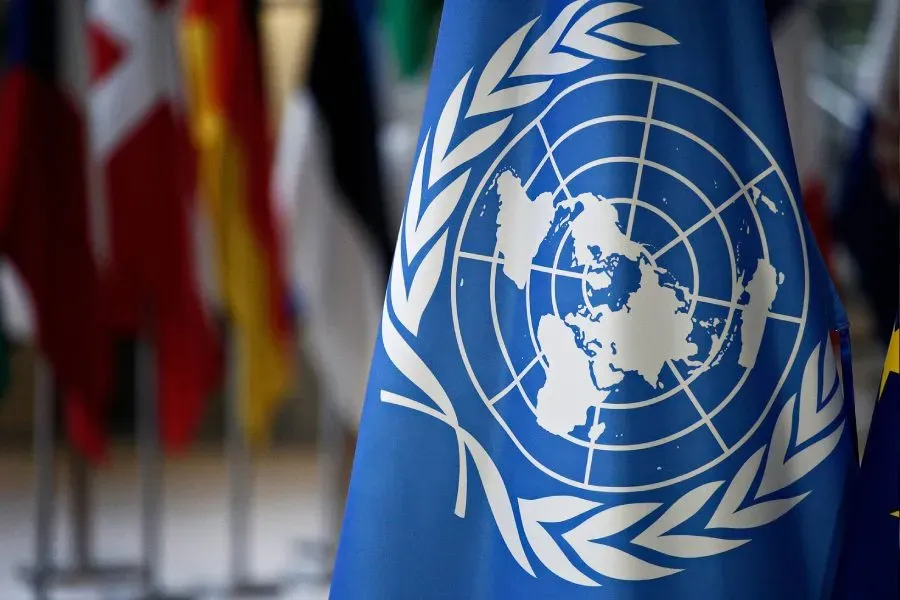
The selection of the next UN Secretary-General has become complicated by disagreements among the Security Council’s permanent members. Although current UN chief António Guterres is nearing the end of his term, no agreement has been reached on his successor.
TodayPress TV reports, citing The Guardian, that eight candidates are competing for the post of Secretary-General.
The leading candidates include representatives from Costa Rica, the United Arab Emirates and Argentina.
Costa Rica’s candidate is former Vice-President and head of the UN Conference on Trade and Development, Rebeca Grynspan. If elected, she would become the first woman to serve as UN Secretary-General. However, according to the publication, the United States and Russia do not support her candidacy.
Another candidate is Lana Nusseibeh, the UAE’s Minister of State and the country’s former representative to the United Nations. Her candidacy is reportedly supported by Washington and Moscow. Nevertheless, allegations concerning the UAE’s support for Sudan’s Rapid Support Forces have sparked controversy surrounding her nomination. The Emirates deny these allegations.
Argentina’s diplomat Rafael Grossi, head of the International Atomic Energy Agency, is also among the candidates.
What is the main obstacle in the election?
Under the current rules, a candidate must secure the support of at least nine of the 15 members of the UN Security Council. However, any one of the five permanent members – the United States, Russia, China, the United Kingdom and France – can block a candidate by exercising its veto power.
Following the Security Council’s recommendation, the UN General Assembly makes the final decision on the appointment of the Secretary-General.
In addition, the next Secretary-General is expected to come from Latin America or the Caribbean.
What challenges will the new leader face?
The new UN chief will face serious challenges, including escalating international conflicts, financial constraints and declining confidence in multilateral diplomacy.
Key priorities will include restoring trust in the organisation, improving the effectiveness of peacekeeping operations and implementing structural reforms.
António Guterres’s term ends on December 31, 2026. If the permanent members of the Security Council fail to reach an agreement, the UN could face serious institutional difficulties in selecting its next leader.
Turkan Isgandarli