
Europe’s pulse has been beating in Baku for 10 days – high-level visitors keep arriving
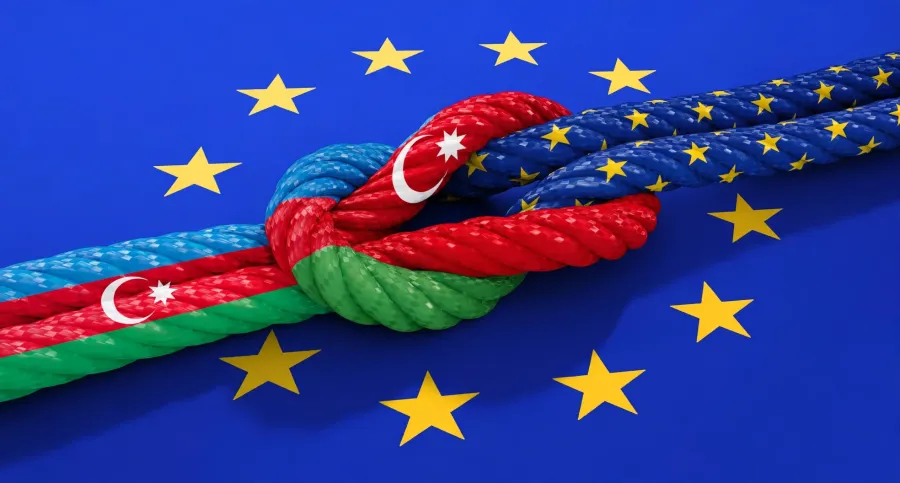
Baku has been welcoming a steady stream of high-profile visitors over the past ten days.
Between November 17 and 25, Azerbaijani President Ilham Aliyev received senior representatives from Germany, Italy, Lithuania, Montenegro and Georgia. An official visit by Estonia’s foreign minister is also scheduled for tomorrow, November 27. The consecutive arrivals of representatives from European countries within such a short period have not gone unnoticed. What is bringing them all to Azerbaijan at the same time?
| Date | Visitor | Position |
|---|---|---|
| November 17 | Johann Wadephul | German Foreign Minister |
| November 17 | Mariam Kvrivishvili | Georgian Deputy Prime Minister and Minister of Economy |
| November 22 | Markwayne Mullin | US Secretary of Homeland Security |
| November 23 | Antonio Tajani | Italian Deputy Prime Minister and Minister of Foreign Affairs |
| November 24 | Milojko Spajić | Prime Minister of Montenegro |
| November 24 | Maka Botchorishvili | Georgian Deputy Prime Minister and Minister of Foreign Affairs |
| November 25 | Kęstutis Budrys | Lithuanian Foreign Minister |
| November 27 | Margus Tsahkna | Estonian Foreign Minister |
It is no secret that Europe is still seeking to reduce its dependence on Russian gas. Against this backdrop, Azerbaijan’s role has grown. Since 2026, Azerbaijani gas has also been reaching Germany. During his visit to Baku, German Foreign Minister Wadephul openly described Azerbaijan as an “indispensable pillar” of Germany’s energy security.
Italy is taking things further. Antonio Tajani openly stated that Rome wants to work on expanding TAP’s capacity and securing additional gas volumes. Azerbaijan is Italy’s second-largest oil supplier and third-largest gas supplier. Discussions covered not only existing gas supplies but also the green energy corridor – the electricity cable project across the Black Sea from the Caspian region – as well as hydrogen.
The visits by Lithuania and now Estonia from the Baltic region further complete this picture. They, too, are paying particular attention to energy security and alternative supply routes.
The second important issue is transport. The Middle Corridor – a route connecting Asia and Europe via the Caspian Sea and the South Caucasus – is attracting growing attention. Amid tensions around the Strait of Hormuz and other geopolitical risks, Europe is seeking alternative routes. Representatives from Germany, Italy and Georgia placed particular emphasis on this issue.
The fact that Georgian representatives have visited Baku twice is no coincidence either. A key part of the Middle Corridor is built on cooperation between Azerbaijan and Georgia. The Baku–Tbilisi–Kars railway and other infrastructure projects play a crucial role in ensuring the corridor operates effectively.
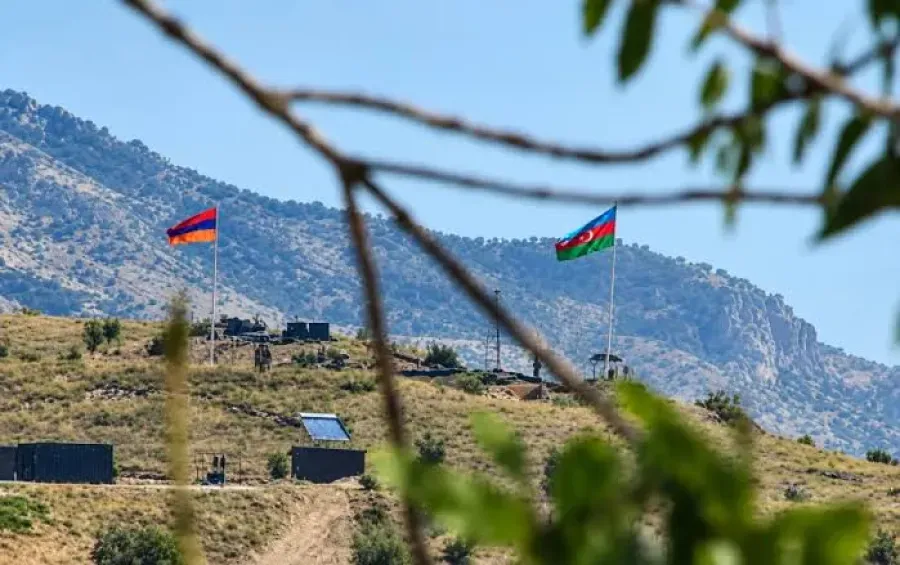
It is also worth noting that all the meetings included expressions of support for the Azerbaijan–Armenia normalisation process. European countries understand that without stability in the South Caucasus, neither energy nor transport projects can operate at full capacity. Italy and Germany have openly expressed their support for this process.
We have presented our analysis, but how is the international media viewing these developments?
International media outlets are interpreting this diplomatic activity primarily through the lens of pragmatism. Many analysts note that Europe increasingly sees Azerbaijan not merely as an energy supplier, but also as a strategic bridge between Asia and Europe. Some reports highlight the more active role of the United States in the peace process, while Europe is focusing more heavily on infrastructure and energy.
The overall assessment is that the arrival of high-level visitors in Baku reflects Azerbaijan’s growing importance in the region.
The intense diplomatic activity of the past ten days, together with the expected arrival of Estonia’s foreign minister tomorrow, demonstrates that Azerbaijan is becoming an increasingly important partner for Europe. Energy security, alternative transport routes and regional stability – all three factors are at play simultaneously. European capitals are travelling to Baku with these realities in mind.
Giymat Mahir