
Ordinary Iranians pay the price for Iran’s costly missile programme – $1 equals 3 million rials
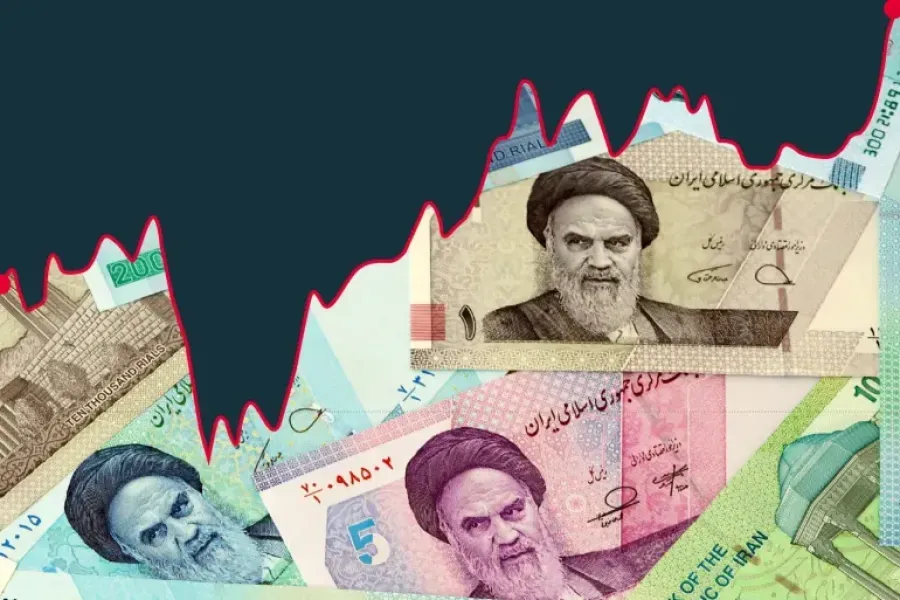
The rapid depreciation of Iran’s national currency has once again brought the country’s economic crisis into focus. Years of sanctions, high inflation, financial difficulties and heavy spending on foreign policy have taken a serious toll on the lives of ordinary Iranians. As Tehran allocates resources to maintaining its regional influence, supporting armed groups and developing its missile programme, the country’s population is increasingly struggling to meet everyday needs.
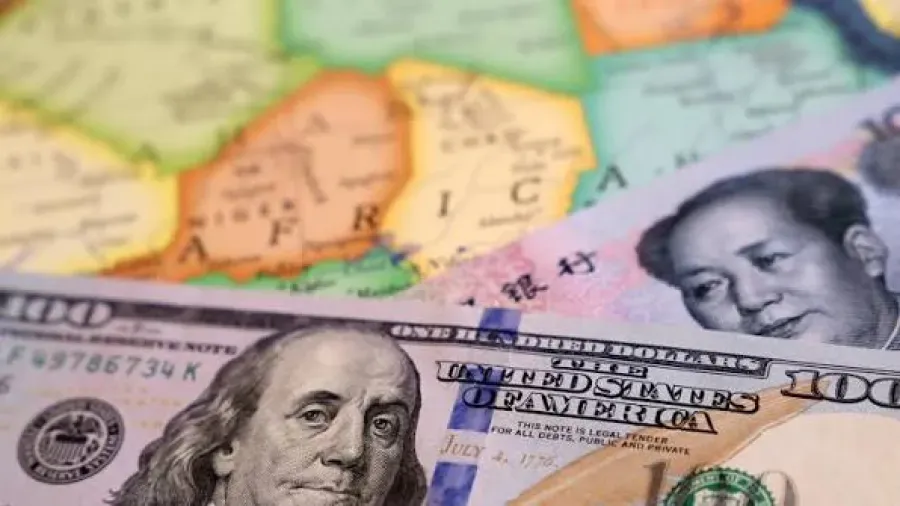
On November 24, the Iranian rial fell to a new historic low against the US dollar. On Tehran’s currency market, the exchange rate rose to 2.856 million rials per dollar. This indicates that the depreciation of the national currency has reached a critical level. Meanwhile, the situation has been further aggravated by new US sanctions targeting financial networks that provide Iran with access to foreign currency.
One of the main problems facing the Iranian economy is the dispute over how the country’s financial resources are allocated. For years, Tehran has maintained ties with Hezbollah in Lebanon, the Houthis in Yemen, armed groups in Iraq and allied forces in Syria in an effort to expand its political and military influence across the Middle East. At the same time, the development of its ballistic missile programme and military infrastructure has remained one of the key priorities of state policy. The financial burden of this policy has placed additional pressure on a national budget already strained by economic sanctions and domestic governance problems.
The contradiction between Iran’s foreign policy priorities and the socio-economic conditions of its population becomes particularly evident during periods of inflation and currency depreciation. Rising prices are eroding people’s purchasing power, while businesses are struggling to plan their operations amid exchange-rate instability. The new sanctions announced by the United States on November 23 against companies and individuals involved in Iran’s foreign currency transactions have also increased economic pressure.
Protests that began on December 28 last year in the area around Tehran’s Grand Bazaar were initially directed against the depreciation of the national currency and rising prices. However, they quickly took on a political character and spread to various cities across the country. The demonstrations, which began with business owners closing their shops, were joined by students and representatives of other social groups. Alongside economic demands, protesters also chanted slogans against the authorities.
Those events showed that the causes of public discontent in Iran extend beyond the rising value of the dollar and increasing food prices. Accumulated social problems, allegations of corruption, limited economic opportunities and the resources directed towards the state’s foreign policy have fuelled broader dissatisfaction in society. The authorities’ use of force to suppress the protests, however, does not mean that the underlying economic problems have been resolved.
Iran is now facing another currency crisis. The dollar’s record-high exchange rate, persistently high inflation and new sanctions are increasing social pressure inside the country.
Every new record low for the rial further deepens the distrust between the authorities and society.
Jala Rovshan