
Can civil society meetings change Armenia’s revanchist mindset? – ANALYSIS
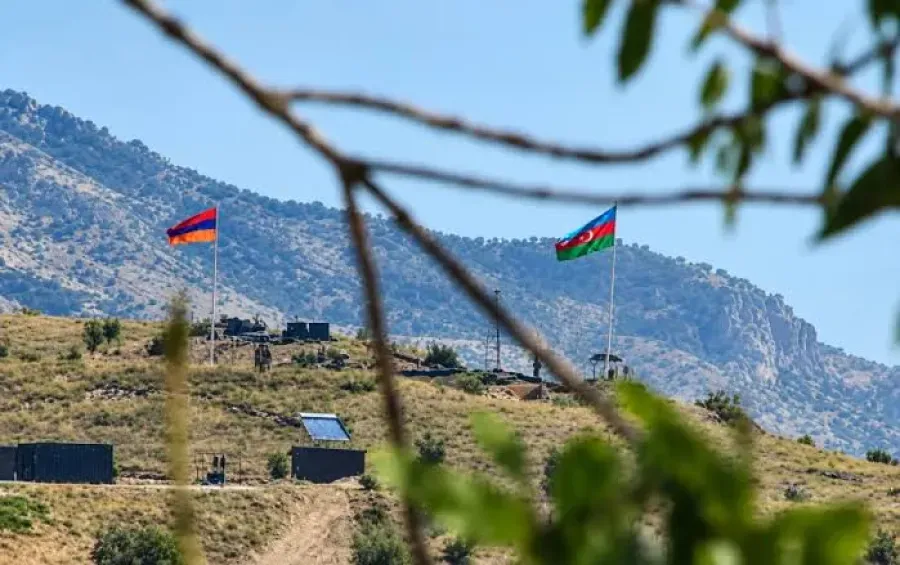
A meeting between representatives of Azerbaijani and Armenian civil societies will take place in Armenia on November 26–27. Several such meetings have been held so far. What concrete benefits do these contacts bring to Azerbaijan? Given recent developments, is it reasonable to expect tangible results from these meetings as long as revanchist thinking persists in Armenia?
Political analyst Elchin Khalidbeyli answered TodayPress TV’s questions on the subject.
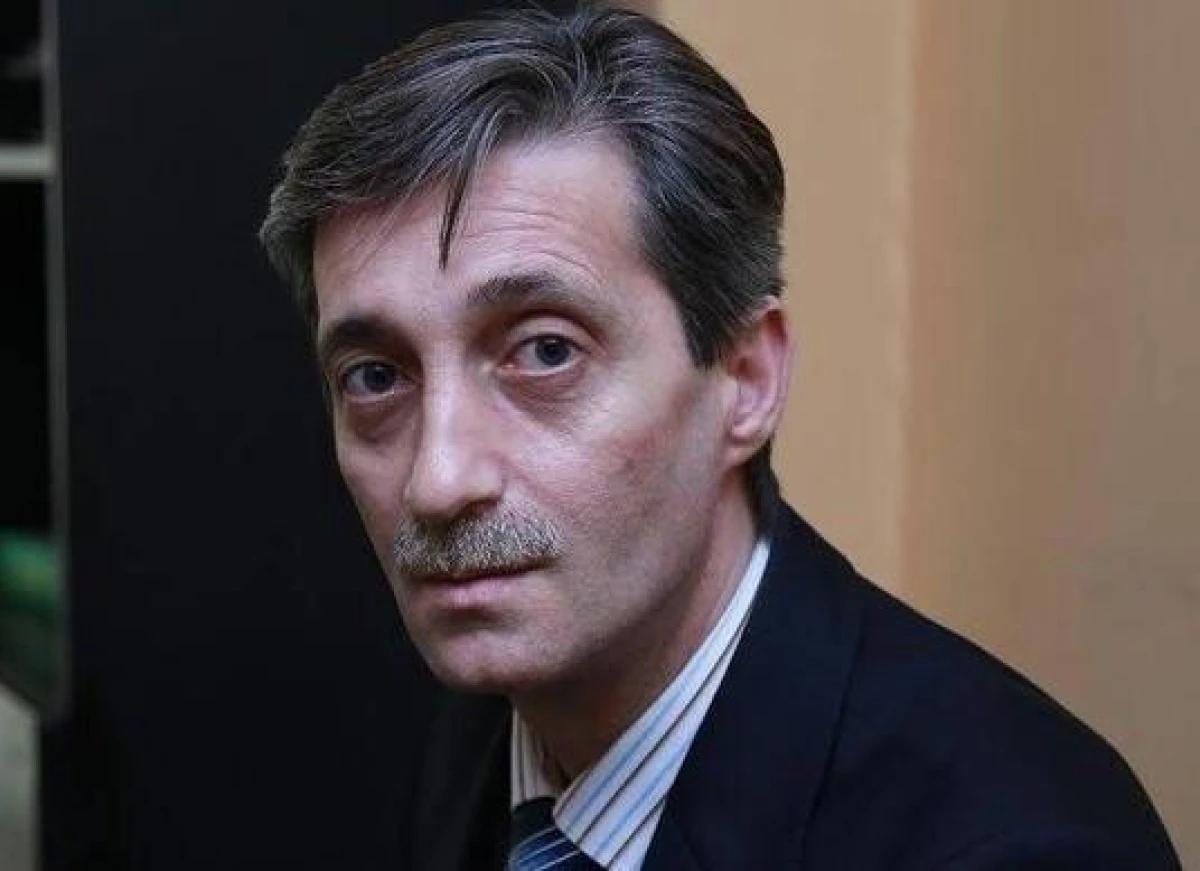
The political analyst said that although the peace process between Azerbaijan and Armenia is advancing on several fronts, Armenia must demonstrate political will for a final agreement to be signed:
“The peace process between Azerbaijan and Armenia is progressing along several lines. One of these is, of course, the political and diplomatic track. Azerbaijan has taken all the necessary steps in this regard. Now Armenia must demonstrate political will. Official Baku has one condition for signing a final peace agreement, and Armenia must fulfil it. In other words, it must amend its Constitution and renounce its territorial claims against Azerbaijan. After that, no major obstacle will remain to signing a final peace agreement between Azerbaijan and Armenia as soon as possible.
“The second track involves steps aimed at reopening transport and communication links between the two countries. Transit cargo shipments from Azerbaijan through Armenian territory have already begun. Train services have resumed after many decades. In other words, Armenia has gained an opportunity, for the first time, to partially emerge from its state of blockade.
“Meanwhile, trade relations, albeit on a very small scale, are being established between Azerbaijan and Armenia. Both sides have already begun exchanging goods. Armenia mainly imports energy resources from Azerbaijan, specifically oil and petroleum products.”
The analyst stressed that one of the main aims of contacts between civil society groups is to weaken revanchist sentiment in Armenian society. However, he expressed doubts about the effectiveness of these meetings in the near future:
“One of the many areas is also the expansion of contacts between civil society groups. Most likely, the main aim is to eliminate revanchism in Armenian society and build a bridge for dialogue between the citizens of the two countries. Naturally, this is also a very important area. However, under the current circumstances, questions arise as to how effective these efforts can be. Armenian society has been shaped by an entirely different political and ideological outlook. Traditionally, Armenian society has been rooted in the idea of hostility towards Turks. This factor is exploited primarily by separatist, terrorist and revanchist political circles in Armenia that are linked to external forces. At present, it is being used by the Armenian opposition associated with Russia’s intelligence network – namely, the revanchist opposition.
“Under such circumstances, in an environment where counter-propaganda campaigns are also being conducted, the steps taken to establish dialogue between civil society groups are undoubtedly important. Nevertheless, it is somewhat doubtful whether they can produce tangible and effective results in the near future. Even so, these efforts are extremely important and must continue. It is unacceptable for sharp contradictions between the two states and their societies to persist forever. One of the most important ways and means of overcoming these contradictions is precisely the establishment of dialogue between the two societies.”
Jala Rovshan