
Iraqi army enters Kirkuk with heavy equipment: Prime minister’s attack order awaited...
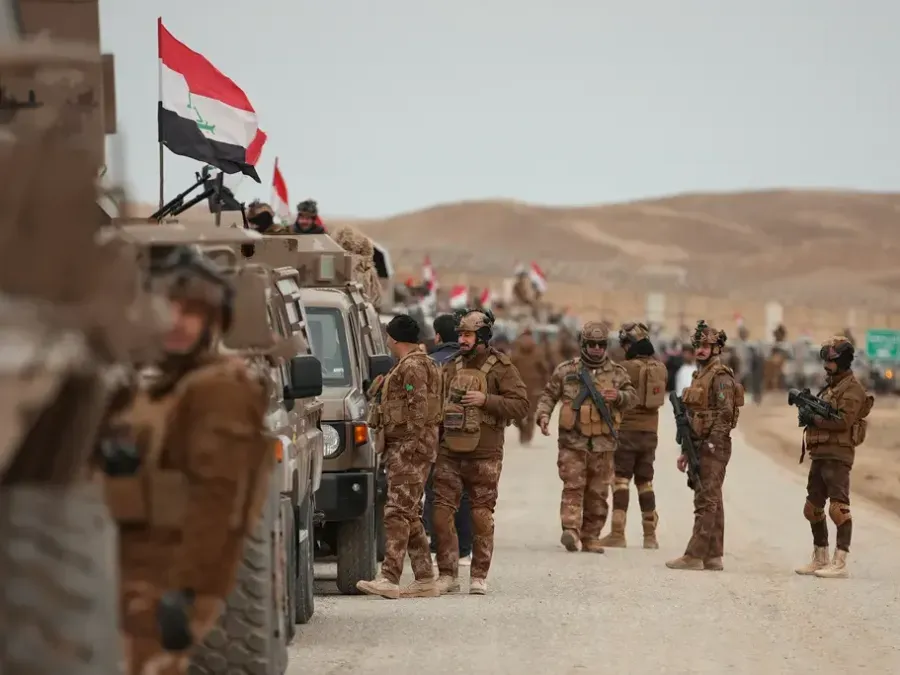
Tensions are escalating between Iraq’s central government and Kurdish forces. Baghdad is seeking to strengthen its control over the country’s borders, security system and oil fields.
The plan has sparked serious discontent in Iraqi Kurdistan.
After resolving its confrontation with Kataib Hezbollah in Babil through an agreement, the Iraqi government has begun restructuring the country’s security system. Under the new plan, border protection responsibilities will be transferred from the army to the Border Guard Service, while military forces will be withdrawn from major cities and stationed in barracks and positions on the outskirts. Police and security forces will be responsible for maintaining order in urban areas.
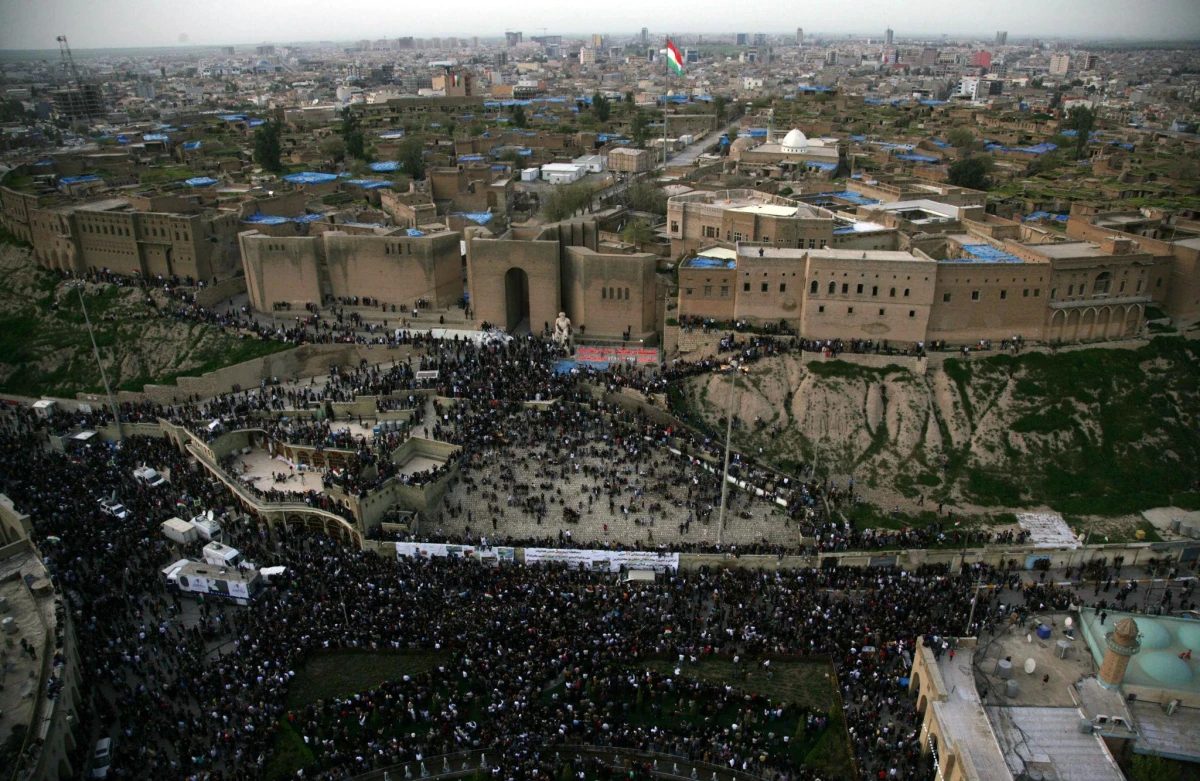
One of Baghdad’s main objectives is to restore the central government’s control over Iraqi Kurdistan. Prime Minister Ali al-Zaidi has announced plans to deploy government forces along the border with Iran. However, the issue goes beyond border security. The government also intends to take control of oil production and exports currently overseen by the Kurdish side.
A ruling by Iraq’s Supreme Court confirming the government forces’ authority to take control of border areas has further fuelled discontent in Erbil. Peshmerga forces are digging additional trenches along administrative boundaries and establishing new military units. Bafel Talabani, leader of the Patriotic Union of Kurdistan, has openly stated that they will not accept Baghdad’s demands or allow the Iraqi army to enter Kurdistan.
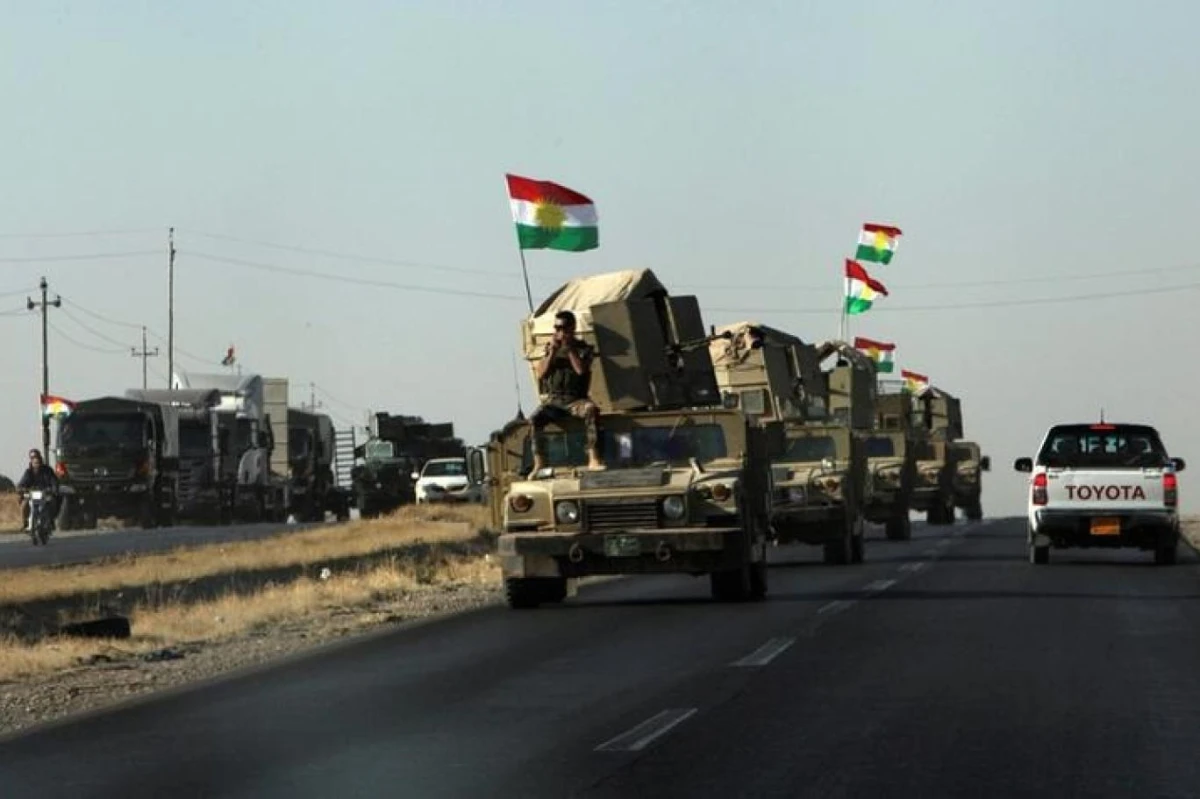
Statements from the Kurdish side also place particular emphasis on the issue of the pre-2003 boundaries. The Kurdistan Regional Government’s Counter-Terrorism Forces have declared that those demanding the Peshmerga return to their former positions should themselves return to the positions they held during that period. The statement stressed that every inch of Kurdistan would be defended.
One of the most sensitive flashpoints in the tensions is Kirkuk. The Iraqi army has entered the city with heavy military equipment. Baghdad’s intention to retake oil fields under Peshmerga control is increasing the risk of an armed confrontation. The Peshmerga are also reinforcing their positions in disputed territories.
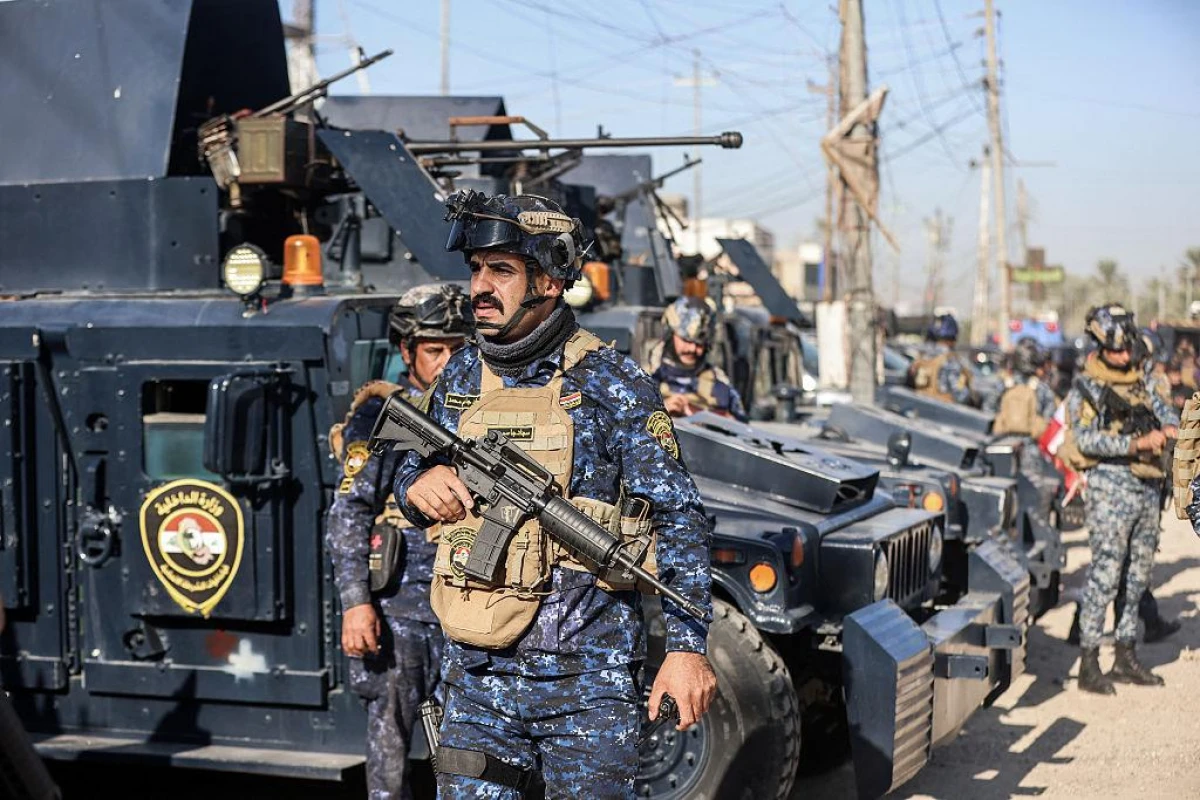
US support for Baghdad’s moves adds another political dimension to the situation. Thus, the issue in Iraq is no longer solely about border security: Baghdad is seeking to expand the central government’s control over the country’s territory, while Erbil is trying to protect its military and political position.
Jala Rovshan