
Tomb dating to Pharaoh Djedkare Isesi’s reign discovered in Saqqara
A joint Spanish-Egyptian archaeological expedition has discovered a tomb dating to the reign of Pharaoh Djedkare Isesi, who ruled at the end of the 3rd millennium BC, in the Saqqara necropolis. The find is located in the northern part of Saqqara, in an area known as the “Mariette Cemetery”.
TodayPress TV reports, citing Greek Reporter and Egypt’s Ministry of Tourism and Antiquities, that the discovery was made during archaeological excavations in the area.
The tomb consists of a mastaba — a rectangular, flat-roofed funerary structure. It contains two burial chapels. The main chapel belonged to an official named Yumin, who held the positions of judge, head of the court and chief scribe responsible for petitions and complaints. Yumin also bore the honorary title “Keeper of the Pharaoh’s Secrets”.
The second chapel was dedicated to his father, Iti. Iti oversaw agricultural lands and donations made to temples.
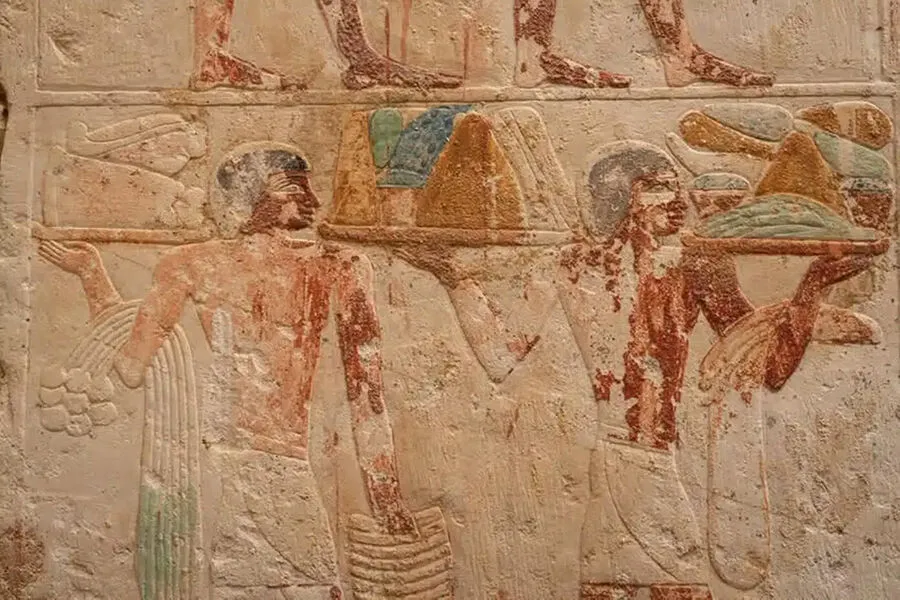
The walls of the chapels are decorated with reliefs depicting farmers, donkeys and people carrying food for funerary rituals. Many of the scenes have also retained their original colours.
A “false door” was also discovered in the chapel dedicated to Iti. According to ancient Egyptian beliefs, this symbolic passage allowed the deceased to receive offerings presented to them.
According to the expedition’s director, Josep Cervello Autuori of the Autonomous University of Barcelona, a finely carved façade decorated with funerary inscriptions and a depiction of the tomb’s owner was discovered in the main chapel.
Archaeologists have already completed excavation and scientific documentation work in both chapels, as well as the restoration and conservation of the discovered elements.
The area has been known since the 19th century, when French archaeologist Auguste Mariette studied Saqqara. However, the tomb had not previously been investigated or documented using modern scientific methods.
The new research will help scientists better understand the architectural and artistic features of funerary structures dating to the Fifth Dynasty, as well as the role of high-ranking officials in the administrative system of ancient Egypt.