Are you sure you are measuring your blood pressure correctly? – Mistakes made at home
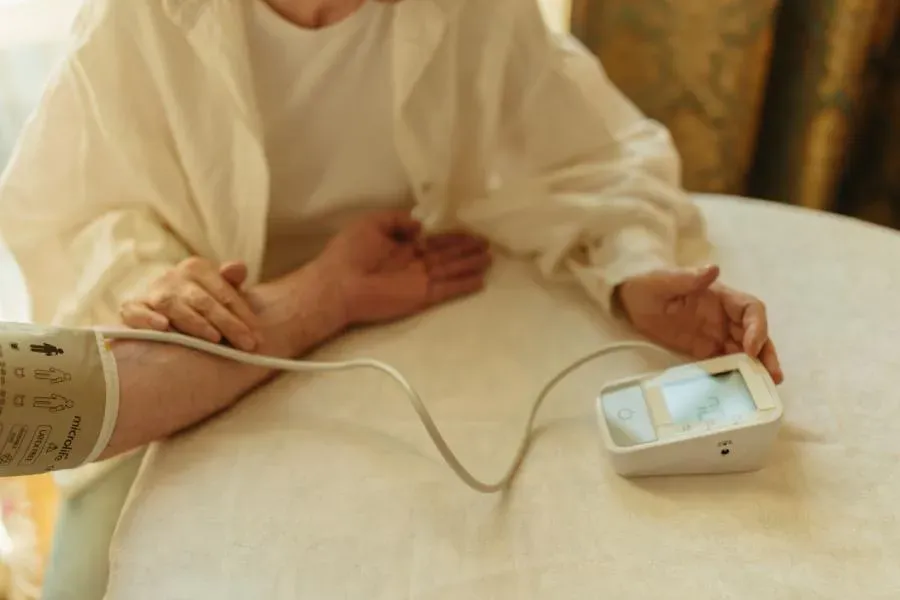
Blood pressure and pulse are among the key indicators used to assess cardiovascular function. Monitoring them regularly helps provide insight into a person’s overall health. Blood pressure measures the force exerted by blood against the walls of blood vessels, while pulse indicates how many times the heart beats per minute. Measuring these indicators correctly at home is particularly important for people with high or low blood pressure.
Blood pressure is expressed using two numbers. The first is systolic pressure, which measures the pressure in the arteries when the heart contracts. The second is diastolic pressure, which reflects arterial pressure between heartbeats, when the heart relaxes. For example, in a reading of 120/80 mmHg, 120 is the systolic and 80 is the diastolic pressure. A reading below 120/80 mmHg is generally considered normal for adults, although blood pressure assessment depends on age, health status and other factors.
One of the most suitable devices for measuring blood pressure at home is an automatic electronic monitor worn on the upper arm. When choosing a device, make sure it has been clinically validated and that its cuff fits your arm correctly. Wrist monitors are also available, but they are more sensitive to arm positioning. Therefore, upper-arm monitors are generally preferred whenever possible.
Certain preparations should be made before taking a measurement. Avoid caffeinated drinks, physical activity and smoking for at least 30 minutes beforehand. It is also recommended to empty your bladder and rest quietly for about five minutes before measuring. Talking, using your phone or moving during the measurement can affect the accuracy of the results.
When measuring blood pressure, sit with your back supported, keep both feet flat on the floor and avoid crossing your legs. Rest your arm on a table at heart level. Place the cuff directly on your skin, just above the elbow crease. Measuring over clothing or fastening the cuff too tightly can lead to inaccurate readings. Once the device is switched on, remain still until the measurement is complete.
After the first reading, it is recommended to wait about one minute and take a second measurement to check the result. Record both readings and try to measure at the same times each day. People with blood pressure problems may find it useful to record their readings in the morning and evening. A single high reading does not necessarily mean a person has hypertension. Blood pressure should be assessed based on measurements taken at different times.
Pulse can also be measured at home without a special device. Place your index and middle fingers lightly on the wrist, on the side below the thumb, where the pulse can be felt. Once you detect the pulse, count the beats for 60 seconds. The pulse can also be measured in the neck, although using the wrist is more convenient. Avoid using your thumb, as its own pulse may affect the result.
A normal resting pulse in adults is generally between 60 and 100 beats per minute. However, the normal range varies with age in children and teenagers. Physical activity, emotional stress, fever, dehydration and certain medications can increase the heart rate. It is therefore important to rest for a few minutes before measuring and assess the result under these conditions. An irregular pulse should also not be overlooked.
Several common mistakes can affect the accuracy of measurements. These include using an incorrectly sized cuff, holding the arm above or below heart level, talking or moving during the measurement, and failing to rest beforehand. It is also important to ensure that the blood pressure monitor is functioning properly and is checked regularly. If symptoms such as chest pain, shortness of breath, loss of consciousness or sudden severe dizziness occur, seek emergency medical attention rather than relying solely on the device’s readings.
In conclusion, measuring blood pressure and pulse correctly plays an important role in monitoring cardiovascular health. This requires choosing a suitable device, following the proper measurement procedure and recording results regularly. Although home measurements cannot replace a medical examination, they can help identify changes in health in a timely manner and provide healthcare professionals with more complete information.
Aysel Matlab