This could be why your food spoils so quickly
Reducing your refrigerator’s cooling settings to save electricity during the winter months is not advisable. Despite the colder weather, the temperature inside the refrigerator must remain stable to ensure food is stored safely.
TodayPress TV reports, citing foreign media, that the ideal refrigerator temperature should be around 4°C or lower. Experts consider a range of 3–4°C optimal for food storage. The freezer compartment, meanwhile, should be kept at -18°C.
It has been noted that the internal indicator on a refrigerator does not always reflect the actual temperature. Therefore, using a dedicated refrigerator thermometer to check the temperature is recommended. This is particularly important for models in which cooling levels are adjusted using a numbered scale from 1 to 5.
Some users reportedly reduce their refrigerator’s cooling power in winter, assuming that colder outdoor temperatures make this necessary. However, indoor temperatures differ from those outside, and refrigerators operate in an enclosed environment. In addition, when an appliance is placed near a radiator, stove or other heat source, it may have to work harder to maintain the required temperature.
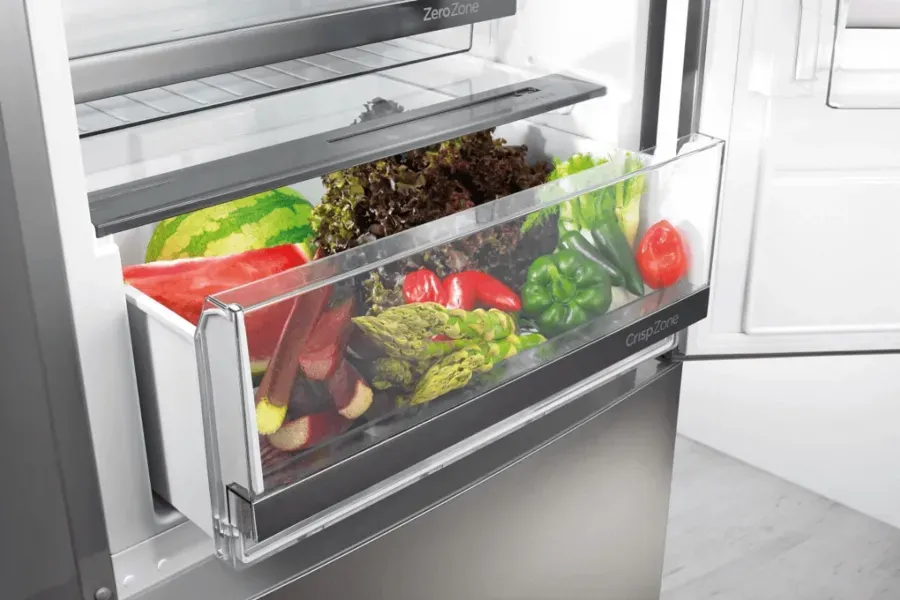
Proper food placement also plays an important role in keeping products fresh for longer. Raw meat and fish should be stored in sealed containers on the bottom shelf to prevent their juices from dripping onto other foods. Dairy products should be placed on the middle shelves, while fruits and vegetables should be kept in designated drawers.
Since the temperature in refrigerator doors fluctuates frequently, they are best suited for sauces, beverages and other products that are less sensitive to temperature changes.
Overfilling the refrigerator is also not recommended. Allowing cold air to circulate freely inside the compartments is essential for maintaining a stable temperature.
Kubra Musayeva