

These discussions have been going on for 20 years, but… – OPINION
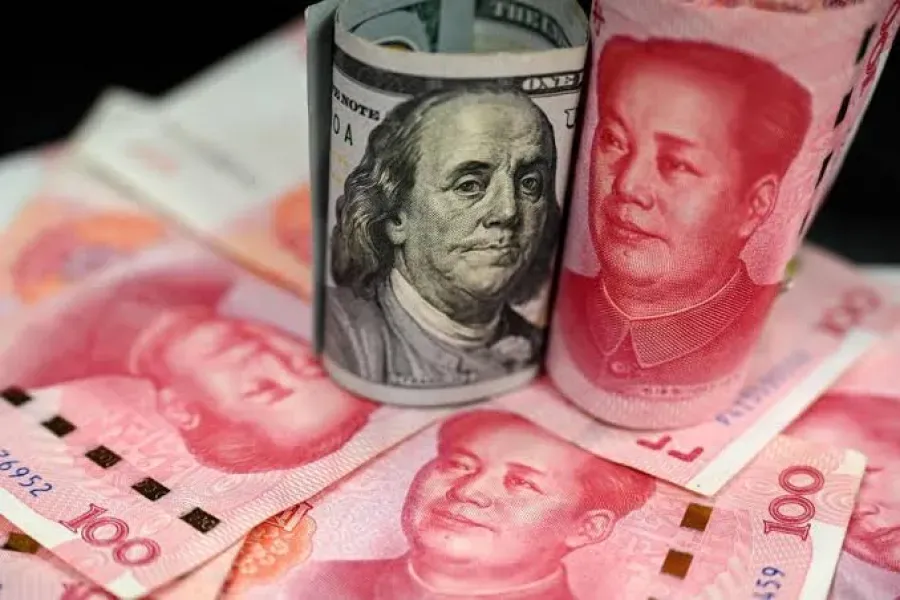
China’s moves in the global financial system and the search for alternatives to the US dollar have once again become major topics of discussion in the international media. Beijing’s decision to make interbank currency trading accessible to foreign financial institutions, its continued accumulation of gold reserves, sales of US Treasury securities and promotion of alternative settlement systems within BRICS have fuelled debate over whether a new era in global trade is beginning.
The question is whether these moves genuinely amount to a “war” against the dollar and whether the yuan could eventually replace it.
Speaking to TodayPress TV on the issue, economist Natig Jafarli said such discussions were nothing new in the financial world and that various economic mechanisms lay behind the process.
“First of all, China began taking these steps a long time ago. The International Monetary Fund (IMF) included the Chinese yuan in its Special Drawing Rights (SDR) currency basket 10 years ago. This was not, in fact, a move directed against the dollar. The dollar remains dominant in international financial markets and global trade.
“Interestingly, as strange as it may sound, China itself has no interest in turning the yuan into a fully fledged global currency. This is because the yuan’s exchange rate is administratively managed by the Chinese authorities, who maintain control over the process to preserve the country’s export advantage. This issue has been debated for many years. Personally, I have seen these discussions continue for the past 20 years. But the fact remains that the dollar’s dominant position in global trade has yet to weaken,” he said.
Some international economists also view Beijing’s recent initiatives — including the establishment of a gold-clearing system in Hong Kong, the sale of US Treasury securities worth $70 billion and the promotion of projects such as BRICS Pay — as efforts to reduce global financial risks.
Although countries such as China, Russia and India are testing mechanisms designed to provide alternatives to the SWIFT system, a significant share of the world’s foreign exchange reserves and international trade transactions is still denominated and conducted in US dollars.
Discussions in London’s financial circles and within the IMF about the future of fiat currencies are raising new questions. However, the yuan’s administratively managed exchange-rate regime limits the likelihood of it replacing the dollar in the near future.
Thus, while trends towards a multipolar global financial system are gaining momentum, the US dollar is expected to retain its central role in international trade for the foreseeable future.
Jala Rovshan
